Plant Overview
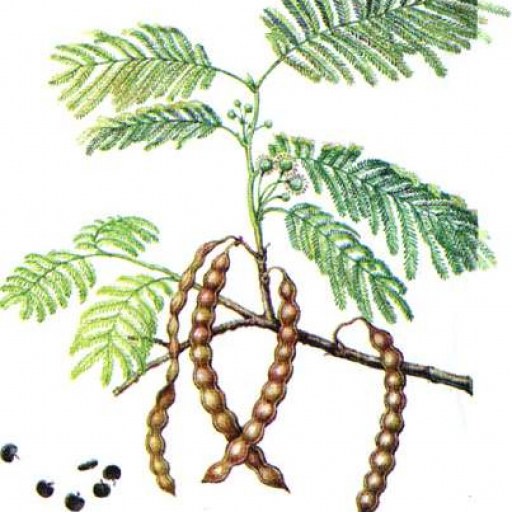
Known as the Yopo or Cohoba tree, Anadenanthera peregrina is a legendary giant of the South American tropics. For thousands of years, indigenous cultures throughout the Orinoco basin and the Caribbean have revered this tree as a "gateway to the spirit world." Its delicate, mimosa-like foliage belies its status as a potent chemical powerhouse, historically used to create ceremonial snuff.
🔍 How to Identify
- 🌿 Feathered Foliage: The leaves are "bipinnate," meaning they are finely divided into hundreds of tiny, bright green leaflets that give the tree a soft, fern-like appearance.
- 🌕 Puffball Blooms: It produces small, spherical flower heads that look like creamy-white or pale yellow pom-poms, typical of many trees in the legume family.
- 🧱 Warty Bark: One of its most striking features is the grey, corky bark, which is often covered in distinct, conical thorns or "warts" that become more pronounced as the tree matures.
- 🍫 Woody Pods: The seeds are held in long, flat, reddish-brown pods that have a leathery texture and contain dark, circular seeds.
🏡 In Your Garden
- ☀️ Sun-Drenched Giants: If you are growing Yopo, it requires full sun and a tropical climate. It is extremely sensitive to frost and will not survive a cold winter outdoors; in cooler zones, it must be kept in a large greenhouse.
- 💧 Drought Resilience: Once established, this tree is surprisingly hardy and can withstand dry spells. It prefers well-draining, sandy soil and hates "wet feet," so avoid overwatering or planting in heavy clay.
- 🌳 Growth Habit: This is not a plant for a small indoor pot for long! It is a rapid grower that can reach heights of 60 feet in the wild, so give it plenty of space to spread its wide, airy canopy.
⚠️ Safety & Toxicity
- 🚫 Status: Potentially Dangerous / Psychoactive.
- 🧪 Details: The seeds of the Yopo tree contain high concentrations of potent psychoactive alkaloids, including DMT and Bufotenin. While significant to shamanic traditions, accidental ingestion by children or pets can cause severe vomiting, increased heart rate, and intense hallucinations. It is not considered an ornamental plant for households with curious pets or kids.
✨ Fun Fact
The traditional way to use Yopo seeds involves a "Y-shaped" pipe made of bird bone or wood. One person blows the prepared powder into the nostrils of another, a practice depicted in ancient Caribbean cave art and still practiced by the Yanomami people today!

Detailed Care Instructions
To grow Anadenanthera Peregrina, also known as Yopo or Jopo, follow these steps:
- Obtain seeds: Purchase Anadenanthera Peregrina seeds from reputable nurseries, seed banks, or botanical gardens. Make sure the seeds are fresh and viable.
- Germination: Soak the seeds in warm water for 24 hours to soften the seed coat. After soaking, plant the seeds in seedling trays or small pots filled with well-draining soil mix. Plant the seeds at a depth of 1-2 centimeters (0.4-0.8 inches).
- Temperature and light: Anadenanthera Peregrina prefers warm temperatures. Place the seed trays or pots in a warm and bright location, such as a greenhouse or near a sunny window. Aim for a temperature range of 25-30°C (77-86°F) during the day and around 20°C (68°F) at night.
- Watering: Keep the soil consistently moist but not waterlogged. Water the plants whenever the top inch of soil feels dry. Avoid overwatering, as it can lead to root rot.
- Transplanting: Once the seedlings have grown around 15-20 centimeters (6-8 inches) in height and have developed a few sets of leaves, they can be transplanted into larger pots or directly into the ground if the climate allows. Ensure the soil is well-draining and rich in organic matter for optimal growth.
- Care: Provide the plants with a balanced fertilizer every 4-6 weeks during the growing season. Prune any dead or damaged branches to promote healthy growth. Protect the young plants from extreme temperatures, strong winds, and frost.
- Harvesting: Anadenanthera Peregrina typically takes several years to reach maturity and produce seeds. Once the tree matures, it will develop seed pods containing the seeds. Harvest the pods when they turn brown and start splitting open.
It is important to note that Anadenanthera Peregrina contains psychoactive compounds and is considered a controlled substance in some countries. Therefore, be sure to research and understand local laws and regulations regarding the cultivation and use of this plant before starting the growing process.
Anadenanthera Peregrina is a perennial, flowering plant that requires regular watering to support its growth and health. When it comes to watering this plant, there are a few important considerations to keep in mind:
- Watering frequency: Anadenanthera Peregrina plants should be watered consistently but not excessively. Aim to water the plant when the soil feels slightly dry to the touch, but avoid letting it completely dry out between waterings.
- Soil type: These plants prefer well-draining soil to prevent waterlogged conditions that can lead to root rot. A sandy or loamy soil mixture allows excess water to drain away easily, providing the plant with appropriate moisture levels.
- Watering method: To water Anadenanthera Peregrina, evenly distribute water around the base of the plant. It is best to use a watering can or hose with a gentle spray to avoid damaging the delicate roots. Slowly apply water until the topsoil is moistened, but be careful not to oversaturate the soil.
- Seasonal variations: Adjusting the watering routine based on seasonal changes is crucial. In the warmer months when the plant is actively growing, it may require more frequent watering, especially during dry periods. However, during colder months or winter dormancy, decrease the watering frequency as the plant's water requirements decrease.
- Environmental factors: Observe the environmental conditions surrounding the plant. Factors such as temperature, humidity, and sunlight influence evaporation rates, and consequently, the plant's water needs. Higher temperatures and direct sunlight can increase the frequency of watering, as they accelerate moisture loss.
Remember that each plant's water requirements can slightly differ due to environmental factors, pot size, and stage of growth. Hence, it is crucial to monitor the plant regularly and adjust the watering routine accordingly to encourage healthy growth and prevent both over and under-watering.
To effectively fertilize the Anadenanthera Peregrina plant, follow these instructions:
- Use a balanced, slow-release fertilizer with an N-P-K ratio (nitrogen-phosphorus-potassium) of 10-10-10 or similar ratio. This will provide essential nutrients in a gradual manner.
- Apply the fertilizer during the growing season, which is typically spring and summer. Avoid fertilizing during winter when the plant is dormant.
- Dilute the fertilizer according to the instructions on the label. Generally, mix 1 tablespoon of fertilizer in 1 gallon (4 liters) of water.
- Water the plant thoroughly before fertilizing to ensure the soil is moist. This helps to prevent root burn caused by concentrated fertilizer.
- Pour the diluted fertilizer solution around the base of the plant, aiming to wet the soil evenly. Avoid getting the fertilizer on the leaves or stems, as it may cause burns or damage.
- After applying the fertilizer, water the plant again to help the nutrients penetrate into the root zone. This will also prevent any potential fertilizer burn.
- Repeat the fertilization process every 4-6 weeks during the growing season. Adjust the frequency and dosage if the plant shows signs of nutrient deficiency or excess (e.g., yellowing leaves, stunted growth).
It's important to note that while fertilizing can promote healthy growth, it's best not to over-fertilize, as this can harm the plant. Always read and follow the instructions on the fertilizer packaging and observe the plant closely for any signs of nutrient imbalance.
When cultivating Anadenanthera Peregrina, it is essential to consider the type of soil in order to provide the optimum growing conditions for the plant. This species thrives in well-draining soil that retains moisture without becoming waterlogged. It is advisable to use a balanced soil mix that combines components such as loam, sandy soil, and organic matter.
Loam soil is preferred as it offers a balanced mixture of sand, silt, and clay particles, providing good drainage while retaining an adequate amount of moisture. Sandy soil, on the other hand, helps prevent over-watering and ensures proper aeration of the roots. Additionally, organic matter, such as compost or well-rotted manure, can be added to improve soil fertility, structure, and moisture-holding capacity.
It is important to avoid heavy clay soil or soils with poor drainage, as excessive water retention can lead to root rot and other detrimental conditions. Similarly, using soil mixes that are too sandy or lacking adequate organic content may result in poor nutrient retention and frequent watering requirements.
Proper soil preparation is key when cultivating Anadenanthera Peregrina, as it allows the plant to establish healthy root systems and promotes overall growth. Regular monitoring of soil moisture and adjusting watering frequency accordingly is also crucial to ensure that the plant receives the appropriate amount of water.
Propagation of Anadenanthera peregrina plant can be achieved through various methods such as seed germination and stem cuttings. Here are the detailed steps for each method:
Seed Germination:
- Collect mature seed pods from a healthy Anadenanthera peregrina plant.
- Allow the seed pods to dry and crack open naturally, or manually extract the seeds.
- Fill a seed tray or small pots with well-draining soil mix, preferably a combination of sand and peat moss.
- Moisten the soil lightly before sowing the seeds.
- Place the seeds on top of the soil and lightly press them down, ensuring they are in contact with the soil.
- Cover the seeds with a thin layer of soil or vermiculite, just enough to block light but still allow air circulation.
- Keep the soil consistently moist, but avoid overwatering to prevent rotting.
- Place the seed tray or pots in a warm and bright location, such as a greenhouse or a sunny windowsill.
- Germination may take several weeks to several months, so be patient and keep taking care of the soil moisture and light conditions.
- Once the seedlings have developed 2-4 true leaves, transplant them into individual pots with well-draining soil.
Stem Cuttings: - Select a healthy and mature Anadenanthera peregrina plant with strong stems.
- Choose a stem that is approximately 4-6 inches long and free from any diseases or pests.
- Using a sharp and sterilized knife or pruners, make a clean cut at a 45-degree angle just below a node (the point where leaves grow from the stem).
- Remove any lower leaves from the cutting, leaving only a few leaves at the top.
- Dip the cut end of the cutting into a rooting hormone powder or gel to promote root development (optional).
- Prepare a pot with well-draining soil mix and make a hole using a pencil or finger.
- Insert the cutting into the hole, ensuring that at least half of the stem is buried in the soil.
- Gently press the soil around the cutting to secure its position.
- Mist the cutting with water to increase humidity and reduce moisture loss.
- Place the pot in a warm and brightly lit area, but avoid direct sunlight that may scorch the cutting.
- Maintain constant moisture in the soil by misting or watering lightly whenever the topsoil feels dry.
- After a few weeks, roots should start to develop. You can test this by carefully tugging on the cutting to check for resistance.
- Once roots are established, typically after 4-8 weeks, transplant the cutting into a larger pot or directly into the ground with well-draining soil.
Remember to provide good care to the newly propagated Anadenanthera peregrina plants regarding watering, sunlight, and temperature requirements to ensure their healthy growth.








