Plant Overview
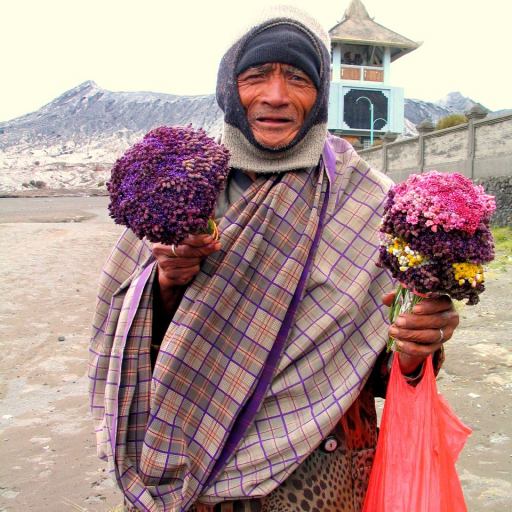
The Anaphalis javanica, famously known as the "Javanese Edelweiss" or Bunga Abadi (the Everlasting Flower), is a legendary symbol of the Indonesian highlands. Perched atop volcanic peaks, this hardy shrub is celebrated for its flowers that never seem to wither, even years after being picked. In local folklore, it is often seen as a symbol of eternal love and sacrifice, frequently mentioned in the romantic tales of mountaineers.
🔍 How to Identify
- ☁️ Foliage Texture: The leaves are narrow, lance-shaped, and covered in fine, silvery-grey hairs that give the plant a woolly or "dusty" appearance.
- 🌼 Everlasting Blooms: The small, button-like flowers consist of yellow centers surrounded by white, papery bracts. Unlike typical petals, these bracts are dry and stiff, allowing them to retain their shape and color indefinitely.
- 🌿 Growth Habit: It grows as a woody shrub, often reaching heights of 1 to 3 meters in the wild, with a sturdy, upright posture designed to withstand thin mountain air and intense sunlight.
🏡 In Your Garden & Habitat
- 🌋 Volcanic Origins: This plant is an "endemic pioneer," meaning it is one of the first species to grow on volcanic ash and scorched earth after an eruption. It thrives in poor, sulfur-rich, and highly acidic soils where other plants struggle.
- ☀️ High-Altitude Needs: In a garden setting, the Javanese Edelweiss is notoriously difficult to cultivate outside its cool, misty mountain home. It requires intense full sun but very cool ambient temperatures and perfectly draining, sandy soil to prevent root rot.
- 🛡️ Protected Status: It is crucial to note that this plant is a protected species in Indonesia. In its natural habitat, such as Mount Gede or Mount Rinjani, picking these flowers is strictly prohibited to prevent extinction from over-tourism.
⚠️ Safety & Toxicity
- ✅ General Safety: Anaphalis javanica is generally considered non-toxic to humans and common household pets.
- 🚫 Conservation Warning: While not "poisonous," the greatest danger regarding this plant is its legal status. Removing it from the wild can result in heavy fines, as it is vital to the mountain ecosystem and provides food for various high-altitude insects.
✨ Fun Fact
The "Everlasting" nature of the flower is due to a chemical called leontopodic acid and the dry structure of its bracts, which prevents the flower from wilting or rotting even after it is separated from the stem. Some specimens kept in frames have remained visually unchanged for over 20 years!

Detailed Care Instructions
When watering this plant, it is important to ensure that the soil is moist but not waterlogged. This can be achieved by watering the plant thoroughly, allowing excess water to drain out of the pot or soil, and then waiting until the top layer of soil feels slightly dry before watering again. It is also important to avoid getting water on the leaves or flowers, as this can cause damage or disease. When watering, aim for the soil around the base of the plant, rather than watering from above. Ideally, the plant should be watered in the morning or evening when the temperature is cooler, to minimize water loss and avoid stressing the plant.
Anaphalis Javanica plant is a type of herbaceous flowering plant that belongs to the family Asteraceae. For this plant, a well-draining, rich, loamy soil with a slightly acidic pH level is ideal. It requires soil that is moderately fertile, moist and well-drained, but not waterlogged. Sandy soil can work well too if it’s amended with compost or organic matter to improve its water-holding capacity. The soil should also be free of unwanted weeds and debris. It is recommended that the soil is slightly moist when planting, but not too wet as this can lead to root rot. It’s important to give the plant enough space and ensure proper drainage for healthy growth and continuous blooming during the growing season.








