Plant Overview
Often called the "Splitbeard Bluestem," this native North American grass is a seasonal shapeshifter. While it spends the summer as a modest clump of blue-green blades, it transforms in the autumn into a glowing pillar of reddish-bronze topped with shimmering, silvery seed tufts. It is a favorite for "wildlife gardening" because it provides both architectural beauty and essential winter resources for local birds and pollinators.
🔍 How to Identify
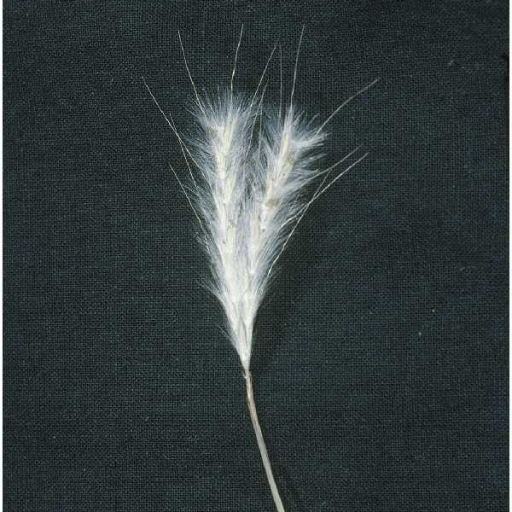
- ☁️ Silvery Seed Heads: The most defining feature is the paired, fluffy white racemes (seed clusters) that appear in late summer, looking like tiny tufts of cotton or a "split beard" catching the light.
- 🎨 Autumnal Palette: The foliage transitions from a cool glaucous blue in the spring to a deep, vibrant mahogany or coppery orange as the weather cools.
- 📏 Upright Habit: It grows in tight, architectural clumps (bunchgrass) typically reaching 2 to 4 feet in height, standing stiffly even after the first frost.
🏡 In Your Garden
- 🏜️ Tough Love Soil: This grass actually prefers "poor" soil. In highly fertile or heavily fertilized garden beds, it can become "floppy" and lose its upright structure. It is the perfect candidate for sandy, rocky, or eroded spots where other plants struggle.
- 🦋 Wildlife Magnet: It serves as a larval host for several species of skipper butterflies. In the winter, its dense base provides nesting cover for ground-dwelling birds and beneficial insects, while the seeds provide a high-energy snack for songbirds.
⚠️ Safety & Toxicity
- ✅ Non-Toxic: Andropogon ternarius is generally considered non-toxic to dogs, cats, and horses. It is a safe choice for family backyards and livestock pastures.
- ✂️ Physical Texture: Like many wild grasses, the leaf blades can be somewhat sharp or abrasive. It is best to wear gloves when dividing the clumps or cutting back the dried stalks in early spring to avoid minor "grass cuts" on the skin.
✨ Fun Fact
The fluffy white seeds of the Splitbeard Bluestem are so buoyant and reflective that early settlers and naturalists often noted they looked like "fallen clouds" caught in the prairie when the sun hit them at a low angle in the late afternoon.

Detailed Care Instructions
To grow Andropogon Ternarius, also known as splitbeard bluestem or Eastern gamagrass, follow these steps:
- Obtain seeds: Purchase Andropogon Ternarius seeds from a reputable seed supplier or collect them from mature plants if they are available in your area.
- Timing: Sow the seeds in late spring to early summer when the soil temperature reaches around 60-70°F (15-21°C).
- Site selection: Choose a location that receives full sun, as Andropogon Ternarius thrives in bright sunlight. Ensure that the soil is well-drained, as these plants do not tolerate excessive moisture.
- Soil preparation: Prepare the soil by removing any weeds, rocks, or other debris. Till the soil to a depth of 4-6 inches (10-15 cm) to improve drainage and remove any compaction. If needed, amend the soil with organic matter, such as compost, to improve fertility.
- Seeding: Scatter the Andropogon Ternarius seeds evenly over the prepared soil. Lightly rake the seeds into the soil to ensure good seed-to-soil contact, but avoid burying them too deep.
- Watering: After seeding, water the area thoroughly to ensure the seeds receive adequate moisture. Water regularly, keeping the soil slightly moist but not waterlogged, until the seeds germinate and establish.
- Maintenance: Once the plants have established and reached a height of a few inches, reduce the watering frequency. Andropogon Ternarius is drought-tolerant and prefers drier conditions. Avoid overwatering, as it can lead to root rot.
- Weed control: During the initial growth stages, keep the area free from weeds that may compete with the Andropogon Ternarius plants for nutrients and water. Regularly hand-pull or carefully use a hoe to remove weeds.
- Fertilization: Andropogon Ternarius generally does not require much fertilization. However, if the soil is poor in nutrients, you can apply a balanced, slow-release fertilizer according to the manufacturer's instructions.
- Harvesting: If you wish to harvest the seeds, allow the plants to fully mature and dry on the stalks. Cut the seed heads and thresh them to separate the seeds.
- Winter care: Andropogon Ternarius is a perennial grass that goes dormant in winter. It can withstand cold temperatures but may benefit from a light layer of mulch to protect the roots during severe winters.
Remember, it is essential to check with local agricultural or botanical authorities to confirm that Andropogon Ternarius is suitable for your specific region and climate.

Place in a bright room that is sun drenched almost all day. Or directly in a south-facing window.

The best way to water this particular plant is to use a watering can or hose attachment with a gentle spray setting. It is important to water deeply, ensuring that the water reaches the root system of the plant, rather than just the surface soil. Avoid getting water on the leaves or foliage of the plant, as this can cause damage or promote the growth of fungi. The frequency of watering will depend on the location and climate, but generally, it should be watered once or twice per week or as needed to keep the soil moist but not waterlogged. If the plant is grown in a container, make sure there is proper drainage to prevent water from accumulating. It is also recommended to water in the morning or evening to avoid evaporation during the heat of the day.
To fertilize the Andropogon Ternarius plant, apply a slow-release, balanced fertilizer in the early spring before new growth appears. Use a granular fertilizer that is designed for use on grasses and apply it at a rate of one pound per 100 square feet. Water the area thoroughly after applying the fertilizer to help it penetrate into the soil. After the initial application, feed the plant again every six to eight weeks throughout the growing season with a liquid fertilizer that is high in nitrogen. Do not fertilize in the fall, as this can encourage new growth that may be damaged by frost.
For the Andropogon Ternarius plant, it is recommended to use a well-draining soil that is rich in organic matter. This plant prefers a soil pH of 5.5 to 7.5 and a soil texture that is sandy loam to clay loam. It is important to avoid soil that is compacted or heavy clay. Additionally, this plant requires full sun exposure and is drought-tolerant once established. To ensure proper growth and development, it is recommended to provide weekly irrigation during the growing season.
There are several ways to propagate Andropogon Ternarius plant. One method is through seed propagation, which involves collecting ripe seeds from the plant and sowing them in a soil mix. Another method is through division, which involves dividing the root ball of a mature plant into smaller pieces and transplanting them into separate pots or locations.
To propagate through seed, collect seeds from the plant when they have ripened and turned brown. Remove the seeds from the seed heads and sow them immediately in a soil mix that is rich in nutrients. Keep the soil moist until the seeds germinate, which typically takes between two to four weeks.
To propagate through division, dig up the entire root ball of a mature and healthy Andropogon Ternarius plant. Gently separate the root ball into smaller sections, making sure each section has healthy roots and shoots. Transplant each section into a pot or a separate location, and water the newly planted sections until they are well established.
Propagating Andropogon Ternarius plant is a good way to increase the number of plants in your garden or landscape. By following these simple steps, you can help ensure the success of your propagation efforts and enjoy the beauty of this unique plant for many years to come.








