Plant Overview
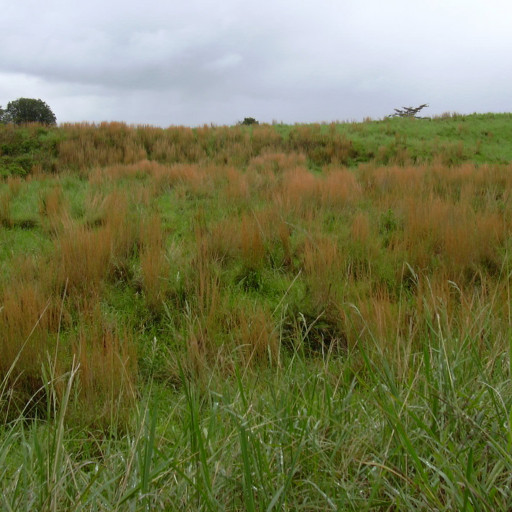
Commonly known as Broomsedge Bluestem or "Whiskey Grass," this North American native is a master of the landscape transition. While it starts the year as a humble green bunchgrass, it earns its fame in autumn when it transforms into a glowing, copper-orange pillar that stands tall against the winter snow. It is a resilient survivor often found in old fields and meadows, acting as a bridge between wild prairies and managed gardens.
🔍 How to Identify
- 🌾 The Golden Hue: Its most striking feature is the dramatic color shift; the foliage turns from a blue-green in summer to a vibrant tawny-orange or straw-gold in the fall and winter.
- ☁️ Feathery Seeds: In late autumn, the plant produces delicate, silvery-white tufts of seeds that look like tiny clouds clinging to the stems, designed to be carried away by the wind.
- 📐 Flattened Base: If you look closely at the base of the plant, the leaf sheaths are distinctly flattened and overlapping, a key trait that separates it from many other wild grasses.
🏡 In Your Garden
- 🚜 Soil Storyteller: This plant is a "pioneer species." If you see it thriving, it usually indicates that the soil is acidic or low in phosphorus. It is the perfect choice for "problem areas" where more delicate ornamental grasses might fail.
- 🐦 Wildlife Architect: In a naturalistic garden, Broomsedge is invaluable. Its upright, stiff stems provide critical nesting structures for birds and cover for small mammals during the harsh winter months when other plants have collapsed.
⚠️ Safety & Toxicity
- ✅ Safe for All: Andropogon virginicus is non-toxic to dogs, cats, and humans. It is a safe, structural addition to family-friendly landscapes.
- 🔥 Fire Hazard: Because the plant remains standing and dry throughout the winter (its primary appeal), it can become highly flammable. It is best to plant it away from wooden structures or fire pits in regions prone to wildfires.
- ✂️ Sharp Edges: Like many sedges and grasses, the leaf blades can be slightly abrasive; wearing gloves while pruning in early spring is recommended to avoid minor skin nicks.
✨ Fun Fact
True to its name, early American settlers gathered the stiff, dried stems of this grass, bundled them together, and tied them to wooden handles to create functional rustic brooms for their cabins!

Detailed Care Instructions
Andropogon virginicus, also known as broomsedge bluestem, is a grass native to North America that typically grows in prairies, meadows, and open woodlands. Here are some tips to help you grow Andropogon virginicus plant successfully:
- Soil: Andropogon virginicus thrives in well-draining, sandy or loamy soil that is slightly acidic to neutral in pH. Make sure the soil is not waterlogged as this can lead to root rot.
- Sunlight: Plant Andropogon virginicus in a location that receives full sun for at least 6-8 hours a day. This will help promote healthy growth and flowering.
- Watering: Water Andropogon virginicus regularly, especially during periods of drought. However, be careful not to overwater as this can cause the roots to rot.
- Fertilizer: Andropogon virginicus is a low-maintenance plant and typically does not require fertilization. If needed, you can apply a slow-release, balanced fertilizer in the spring.
- Propagation: Andropogon virginicus can be propagated by seed or division. Sow seeds in the fall or divide mature clumps in the spring to promote new growth.
- Maintenance: Trim back any dead or yellowing foliage in the spring to promote new growth. Andropogon virginicus can also benefit from a light pruning in the fall to remove any spent flowers.
By following these tips, you can successfully grow Andropogon virginicus and enjoy its beautiful foliage and flowers in your garden.

Place in a bright room that is sun drenched almost all day. Or directly in a south-facing window.
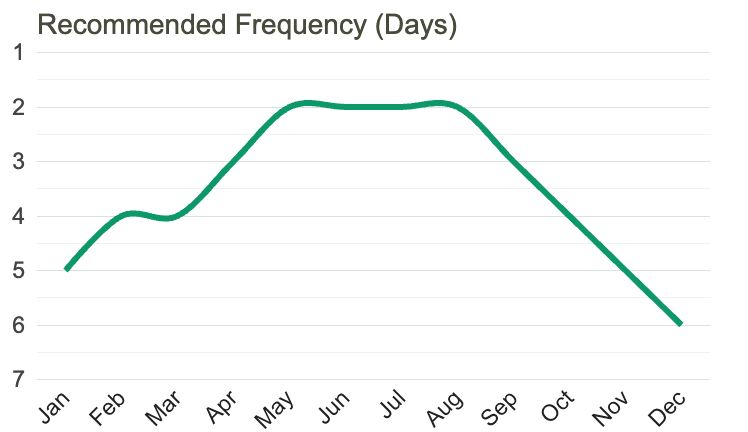
Andropogon Virginicus plant should be watered regularly but not excessively. It is important to keep the soil consistently moist without letting it become waterlogged. The best way to water this plant is to water deeply once a week, allowing the water to penetrate the soil to a depth of several inches. This will encourage deep root growth and support the plant's overall health. When watering, be sure to soak the soil around the base of the plant, avoiding the leaves and stems. It is also important to water early in the morning or in the evening to avoid evaporation during the heat of the day. Avoid watering during periods of heavy rain or when the soil is already moist, as overwatering can lead to root rot.
To fertilize Andropogon Virginicus plants, apply a balanced, slow-release fertilizer in early spring before new growth emerges. Use a fertilizer with an N-P-K ratio of 10-10-10 or similar. Mix the fertilizer into the soil around the base of the plant according to the package instructions. Water the plant thoroughly after fertilizing to help the nutrients penetrate the soil. Repeat the fertilization process once or twice during the growing season, following the same guidelines. Avoid over-fertilizing, as this can lead to excessive foliage growth and weaken the plant.
The most suitable type of soil for this plant should have good drainage, be slightly acidic to neutral in pH, and be fairly fertile. It should also have a high content of organic matter, such as compost or well-rotted manure, to help retain moisture and nutrients. Ideally, the soil should be sandy loam or loamy sand, with a texture that is well-aerated and allows for good water infiltration. It is important to avoid heavy clay soils or those that are waterlogged, as they can lead to root rot and other fungal diseases in this plant. Additionally, it is recommended to add fertilizer to the soil periodically, especially during the growing season, to support healthy growth and blooming.
Andropogon Virginicus can be propagated through division or by collecting and sowing seeds. To propagate through division, carefully dig up an established plant and separate the clumps into smaller sections, making sure each section has a good portion of roots attached. Replant the divided sections in a suitable location with well-draining soil and adequate sunlight.
To propagate through seeds, collect mature seed heads from the plant and allow them to dry completely. Then, gently crush the seed heads to release the seeds. Sow the seeds in a seed tray filled with well-draining soil, and cover them lightly with a thin layer of soil. Keep the soil consistently moist but not waterlogged, and place the tray in a warm, sunny location.
With proper care and maintenance, the propagated Andropogon Virginicus plants will establish themselves and grow into healthy, mature plants over time.








