Plant Overview
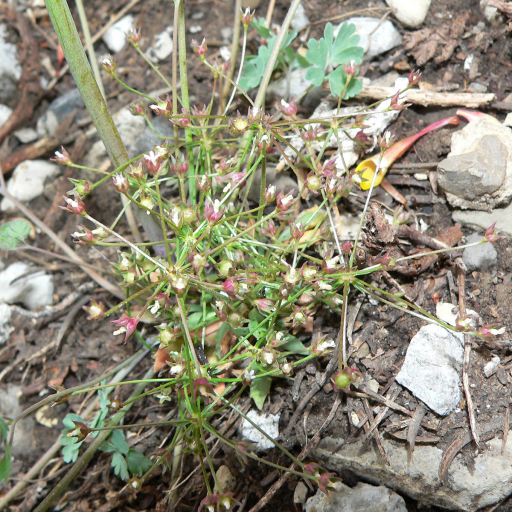
Often called the Northern Fairy Candelabra or Star-of-the-North, this tiny but resilient wildflower looks like a miniature lighting fixture left behind in a mountain meadow. Found across the northern hemisphere, from Arctic tundras to high alpine slopes, it has mastered the art of surviving in harsh, rocky terrains. It is a favorite among rock garden enthusiasts who appreciate its delicate, geometric architecture and "tough-as-nails" attitude toward the cold.
🔍 How to Identify
- 🌿 Basal Rosette: A compact circle of toothy, spatula-shaped leaves that hug the ground, often turning a reddish-maroon color in high sun or cold weather.
- 🕯️ Candelabra Stems: Multiple slender stems (pedicels) radiate from a central point at the top of a taller stalk, creating a perfectly balanced, delicate umbrella shape.
- 🌸 Starry Blooms: Tiny, five-petaled white flowers—sometimes with a faint yellow center—perch at the tips of the branching stems.
🏡 In Your Garden
- 🪨 The Rock Garden Specialist: This plant thrives in "lean" conditions. It dislikes rich, mucky soil and demands a gritty, fast-draining mix of sand and gravel to mimic its natural mountain ledges.
- 💧 Moisture Management: Because it has evolved for dry, rocky crevices, it is highly susceptible to root rot. It "hates wet feet," so ensuring water moves quickly away from the crown is essential for its survival.
- ❄️ Cold Hardiness: As an Arctic-alpine species, it is incredibly frost-tolerant. However, it can struggle in high humidity or extreme summer heat, preferring the crisp, dry air of higher altitudes.
⚠️ Safety & Toxicity
- ✅ Non-Toxic Status: The Northern Fairy Candelabra is generally considered non-toxic to humans, dogs, and cats.
- 🐾 Minimal Risk: While not edible, it does not contain known irritants. Its main risk is to the plant itself, as it is easily crushed by curious pets or heavy foot traffic due to its low-growing habit.
✨ Fun Fact
Despite its fragile appearance, the genus name Androsace comes from the Greek words andros (man) and sakos (shield). This refers to the shape of the leaves in some species within the genus, which were thought to resemble ancient bucklers or shields.

Detailed Care Instructions
To grow Androsace Septentrionalis (also known as Pygmyflower Rockjasmine), you can follow these steps:
- Find a suitable location: Choose a spot in your garden that receives partial shade to full sun. Androsace Septentrionalis prefers cool temperatures and a well-draining soil.
- Prepare the soil: Ensure that the soil is well-draining by amending it with organic matter such as compost or well-rotted manure. This will help improve water drainage.
- Sow the seeds or plant seedlings: You can either sow seeds indoors in early spring, 6-8 weeks before the last frost date, or directly sow them outdoors when the soil has warmed up. If using seedlings, plant them in the prepared soil, ensuring proper spacing (about 6-12 inches apart).
- Watering: Keep the soil consistently moist but not waterlogged. Androsace Septentrionalis prefers slightly moist conditions, so water regularly, especially during dry periods.
- Fertilization: Apply a balanced fertilizer once a month during the growing season to provide necessary nutrients. Follow the package instructions for the correct dosage. Avoid over-fertilizing, as it may encourage excessive foliage growth instead of flower production.
- Mulching: Apply a layer of organic mulch around the plants to retain moisture in the soil and suppress weed growth. This will help maintain a consistent temperature around the plants.
- Pruning: Trim back any dead or leggy growth to maintain a tidy appearance. Pruning can be done after the flowering period is over.
- Protection: In areas with harsh winters, provide protection to the plants by covering them with a layer of mulch or straw. This will help insulate the roots and prevent cold damage.
- Propagation: Androsace Septentrionalis can be propagated by division. Every few years, lift the plant carefully and divide it into smaller clumps, ensuring each division has sufficient roots. Replant the divisions in the same soil or separate them in different areas of the garden.
By following these steps, you can successfully grow Androsace Septentrionalis in your garden and enjoy its beautiful flowers.

Place in a bright room that is sun drenched almost all day. Or directly in a south-facing window.

To properly water this plant, you should first ensure that the soil is well-draining and not waterlogged. Water should be applied directly to the soil around the base of the plant rather than over the foliage. Allow the soil to dry out slightly between waterings, and be sure not to overwater the plant as it can lead to root rot. It is recommended to water this plant in the morning or early afternoon to allow for enough time for the foliage to dry before nightfall.
To fertilize this plant, apply a balanced fertilizer with equal parts of nitrogen, phosphorus, and potassium in early spring before new growth begins. Repeat the application every six weeks throughout the growing season. Use a slow-release fertilizer at the recommended rate, and water thoroughly after application. Avoid over-fertilization, as it can lead to excessive growth and weaken the plant.
Androsace Septentrionalis prefers well-draining soil that is slightly acidic with a pH level of around 6.0 to 6.5. It thrives in rich, fertile soil that has a good mixture of organic matter and sand. Avoid using heavy, clayey soils that retain too much moisture as this can lead to root rot. The plant prefers soil that is moist but not waterlogged, so it's important to ensure good drainage. If the soil in your garden is too heavy, mix in sand, peat moss, or compost to improve drainage. Alternatively, you can grow Androsace Septentrionalis in a container using a well-draining potting mix.
To propagate this plant, first select healthy and mature plants with strong stems and dense foliage. Carefully dig up the plant, being sure to avoid damaging the roots. Gently shake off any excess soil.
Prepare a well-draining soil mixture that is high in organic matter. Make small holes in the soil, and plant the divisions, being careful not to bury the stem too deeply. Water the plants thoroughly and place them in a shaded area.
Over the next few weeks, continue to water the plants regularly, but be careful not to overwater. As the plants establish themselves, begin to gradually increase the amount of sunlight they receive. After a few months, they should be strong and healthy enough to be transplanted into their final location.








