Plant Overview
Known as the Grape-leaf Anemone or the Woolly Windflower, Anemone tomentosa is the rugged, resilient cousin of the delicate Japanese Anemones. Native to the high-altitude regions of Northern China, this plant is a late-summer superstar, providing a "second wind" to gardens just as other flowers begin to fade. It is beloved for its ethereal, dancing blooms and its ability to survive winters that would wither most other fall-blooming perennials.
🔍 How to Identify
- 🍇 Foliage: The leaves are large, deeply lobed, and remarkably similar to those of a grapevine. The undersides are covered in a soft, silvery-white "wool" (tomentose), which gives the plant its scientific name.
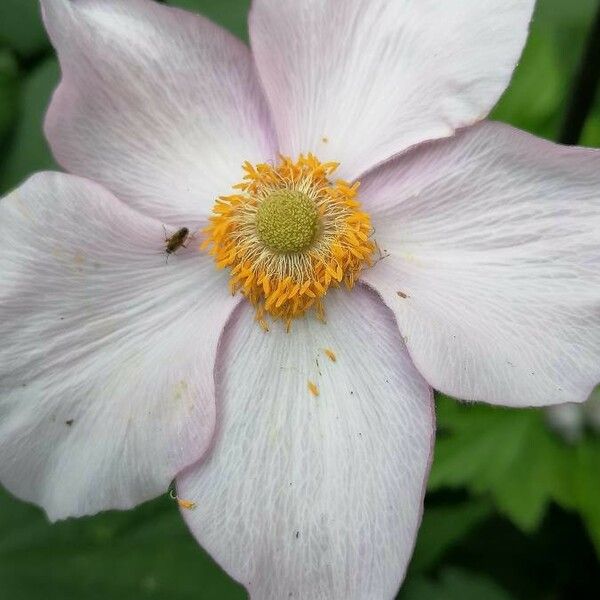
- 🌸 The Blooms: Delicate, cup-shaped flowers range from pale silvery-pink to soft lavender. They sit atop tall, wiry stems that sway gracefully in the slightest breeze.
- 🌕 Center Stage: Each flower features a prominent ring of bright golden-yellow stamens, creating a striking contrast against the pastel petals.
🏡 In Your Garden
- 🌱 Spreading Joy (and Roots): This plant is a vigorous grower. While it makes an excellent ground cover for larger areas, its underground rhizomes can be aggressive. Give it space where it can wander without crowding out delicate neighbors.
- ⛅ Light & Soil: It thrives in partial shade and absolutely craves "cool feet." Mulching the base helps keep the roots moist and cool during the heat of summer. It is much more tolerant of cold and poor soil than other anemone species.
⚠️ Safety & Toxicity
- 🚫 Status: Mildly Toxic. Like all members of the buttercup family (Ranunculaceae), it contains protoanemonin.
- 🐾 Details: All parts of the plant are toxic if ingested by humans, cats, or dogs, leading to mouth irritation and digestive upset. The sap can also cause mild skin irritation or "anemone breath" (dermatitis) in sensitive individuals, so wearing gloves while pruning is a smart move.
✨ Fun Fact
The name Anemone comes from the Greek word anemos, meaning "wind." Ancient legends claimed that these flowers would only open when the spring winds blew, earning them the timeless nickname "Windflowers."

Detailed Care Instructions
To grow Anemone tomentosa plants, follow these steps:
- Choose the right location: Anemone tomentosa plants prefer full sun to partial shade. Select a well-draining location with rich, loamy soil.
- Prepare the soil: Before planting, amend the soil with organic matter such as compost or well-rotted manure. This will improve the soil fertility and drainage.
- Planting: Dig a hole slightly larger than the root ball of the plant. Place the plant in the hole, backfill it with soil, and gently firm the soil around the base of the plant. Water thoroughly after planting.
- Watering: Keep the soil consistently moist but not waterlogged. Anemone tomentosa plants prefer regular watering, especially during dry periods. Avoid overwatering as it can lead to root rot.
- Mulching: Apply a layer of organic mulch around the plant to retain moisture, suppress weeds, and keep the soil cool. Keep the mulch a few inches away from the base of the plant to prevent rot.
- Fertilization: Feed your Anemone tomentosa plants with a well-balanced, slow-release fertilizer in early spring. Follow the instructions on the fertilizer packaging for the appropriate dosage.
- Pruning: Cut back the plant in late winter or early spring to remove any dead or damaged foliage. This will encourage new growth and maintain a compact shape.
- Propagation: Anemone tomentosa plants can be propagated through division in early spring or fall. Carefully dig up clumps, separate them into smaller sections, and replant them in desired locations.
- Pests and diseases: Anemone tomentosa plants are generally resistant to pests and diseases, but occasionally can be affected by slugs, snails, or powdery mildew. Monitor your plants regularly and take appropriate action if any issues arise.
- Winter care: Anemone tomentosa plants are hardy perennials but may benefit from a layer of mulch for additional protection during winter. Remove any dead foliage in late fall to promote better growth in the following season.
With proper care and maintenance, your Anemone tomentosa plants should thrive and provide beautiful flowers year after year.
Proper watering of the plant requires attention to soil moisture levels and environmental conditions. The soil should be kept consistently moist but not water-logged, as overly-wet soil can lead to root rot. Watering frequency will vary depending on the temperature, humidity, and amount of sunlight the plant receives. In general, the plant should receive water when the top inch of soil feels dry to the touch. Watering should be done at the base of the plant to avoid getting the foliage wet, which can lead to fungal issues. It is recommended to use room temperature water and to avoid using harsh chemicals that could harm the plant. Drainage is also important, as standing water can result in root damage. Potting soil with good drainage is ideal, and if the plant is in a container, it should have drainage holes to allow excess water to escape. Overwatering should be avoided, as it can lead to nutrient deficiencies and other problems.
To fertilize this plant, apply a balanced liquid fertilizer during the growing season, following the instructions carefully. Do not over-fertilize, as this can cause damage to the plant. Additionally, top-dress the soil around the plant with compost or well-rotted manure in the spring to provide additional nutrients. Avoid applying fertilizer to the foliage or flowers of the plant, as this can cause burning or other damage.
Anemone Tomentosa plant prefers well-draining, loamy, sandy soil with a neutral pH level. It requires soil that retains moisture, but is not waterlogged. Adding organic matter such as compost or well-rotted manure to the soil can improve its structure and fertility, which will benefit the plant's growth. It is important to avoid using heavy clay soil or soil that is compacted, as it can prevent proper drainage and airflow around the roots. Additionally, the soil should be slightly acidic to neutral with a pH range of 6.0-7.0.
To propagate this plant, you can take stem cuttings from healthy, mature plants. Use a sharp, clean pair of scissors to carefully cut a stem that is about 4-6 inches long. Make the cut just below a node or a leaf joint. Remove the lower leaves from the stem cutting, leaving only a few leaves at the top. Dip the cut end of the stem into rooting hormone powder and plant it in a pot filled with moist, well-draining soil. Place the pot in a warm, bright location, but not in direct sunlight. Keep the soil consistently moist and mist the cutting daily to maintain humidity. After a few weeks, you should start to see new growth on the cutting, indicating that it has successfully rooted. Once the roots are established and the plant is growing well, you can transplant it into a larger container or into your garden.








