Plant Overview
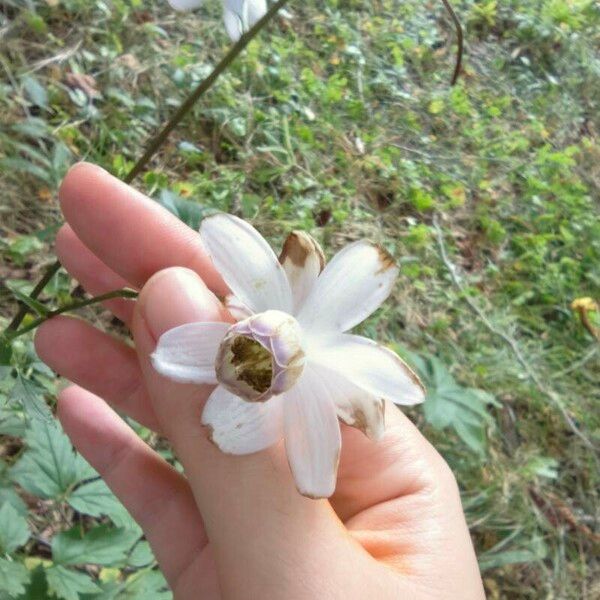
Often called the False Anemone, this elegant Japanese native is a true connoisseur's plant. It is a "monotypic" species, meaning it is the only member of its entire genus, making it a unique evolutionary relic from the cool, mountainous woodlands of Honshu. With its nodding, waxy blooms that look like they were carved from delicate porcelain, it brings an ethereal, fairy-tale quality to the deepest shade of your garden.
🔍 How to Identify
- 🌸 The Flowers: Small, nodding, cup-shaped blooms that dangle like lanterns. They feature a double layer of petals—the outer ones are pale lavender-white, while the inner ones form a tight, darker violet cup.
- 🌿 The Foliage: Large, deeply divided, fern-like leaves that resemble those of an Actaea (Baneberry) or a refined Peony. The glossy green leaves provide a lush texture even when the plant isn't in bloom.
- 🖋️ The Stems: Slender, wiry, and often a dark mahogany or deep purple color, providing a beautiful contrast to the pale flowers.
🏡 In Your Garden
- 💧 The "Goldilocks" Moisture: This plant craves consistency. It demands rich, humusy soil that stays moist but never soggy. If the soil dries out completely, the delicate foliage will crisp at the edges and the plant may go dormant early.
- 🌑 Woodland Comfort: Think of its mountain home; it thrives in dappled or deep shade. It is particularly sensitive to "root competition," so avoid planting it too close to thirsty, aggressive trees that might steal its moisture.
- 🐌 Patience is Required: The False Anemone is notoriously slow to establish and resents being moved once planted. Choose its "forever home" carefully to avoid disturbing its sensitive root system.
⚠️ Safety & Toxicity
- 🚫 Status: Toxic if ingested.
- 🐾 Details: As a member of the Ranunculaceae (Buttercup) family, it contains protoanemonin. If leaves or roots are eaten, they can cause mouth irritation, drooling, and digestive upset in pets and humans.
- 🧤 Skin Sensitivity: The sap may cause mild skin irritation or dermatitis in sensitive individuals, so wearing gloves during division or pruning is a wise precaution.
✨ Fun Fact
Because it is a monotypic genus, Anemonopsis macrophylla has no close "siblings" in the plant world. It is a singular botanical masterpiece that has remained unchanged for eons in the isolated forests of Japan.

Detailed Care Instructions

Place in a window with dappled sun or a spot in the middle of a room. Or directly in a window facing west or east.

Some plants require more regular watering than others, which should be done every few days. It's critical to maintain the soil moist all of the time. The water requirements of the same plant placed in pots with varying sizes will differ. Because the water in the smaller pot evaporates faster than the water in the larger pot, it will require more watering. Regardless of pot size, the surface should constantly be maintained moist.








