Plant Overview
Known as the Ku-ring-gai Angophora, this resilient Australian native is a master of the sandstone ridges. Often mistaken for a small Eucalyptus, it is famous for its gnarled, sculptural branches that look like they were frozen mid-dance. It is a rare gem primarily found in the rugged bushland north of Sydney, where it thrives in conditions that would make other plants wither.
🔍 How to Identify
- 🍃 Leathery Foliage: The species name crassifolia literally means "thick leaf." The leaves are stiff, broad, and oval-shaped, providing a tough texture that helps the plant retain moisture.
- 🎋 Opposite Arrangement: Unlike many of its Eucalyptus cousins, the leaves of this Angophora grow in perfectly symmetrical opposite pairs along the stem.
- ☁️ Cloud-like Blooms: In late spring and summer, the tree is topped with dense, creamy-white flower clusters that look like miniature bursts of sea foam.
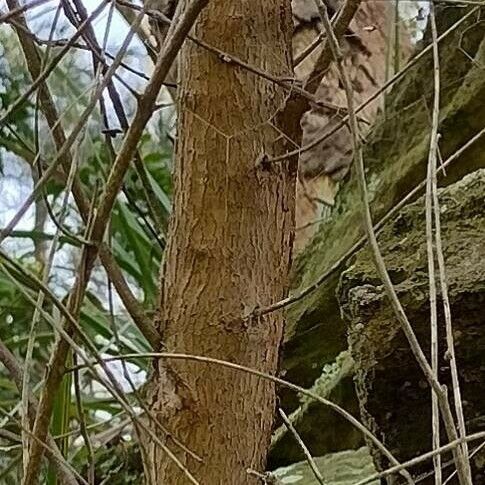
- Rough & Fibrous: The bark is greyish-brown, persistent, and has a short-fibered, "pealy" texture that covers the trunk and larger branches.
🏡 In Your Garden
- 🏜️ Sandstone Specialist: This plant is genetically programmed for Hawkesbury sandstone soils. It requires excellent drainage and struggles in heavy clay or waterlogged earth.
- 🐦 Pollinator Magnet: The nectar-rich flowers are a favorite for native bees, honeyeaters, and lorikeets, making it an essential addition for anyone looking to support Australian biodiversity.
- 🌪️ Hardy Habit: Because it often grows as a "mallee" (multi-stemmed shrub), it is incredibly wind-tolerant and can be used as a structural feature in coastal or exposed gardens.
⚠️ Safety & Toxicity
- 🟢 Low Risk: The Angophora crassifolia is not considered toxic to humans or common household pets.
- 🌿 Physical Safety: The leaves are quite rigid and can be sharp or "pokey." While not dangerous, they may cause minor scratches if you are pruning without gloves.
✨ Fun Fact
You can distinguish an Angophora from a Eucalyptus by looking at the flower buds! While Eucalyptus buds have a "cap" (operculum) that falls off to reveal the stamens, Angophora flowers have tiny individual petals and sepals, showing off their delicate structure from the very start.

Detailed Care Instructions







