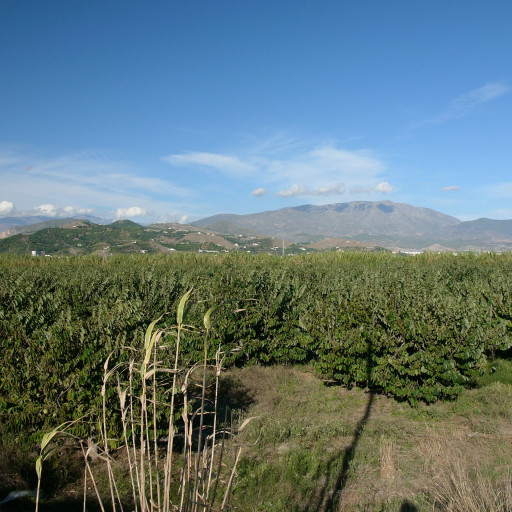
Plant Overview
Often called the "Ice Cream Fruit" or "Custard Apple," the Cherimoya is a luscious treasure originally from the high altitudes of the Andes Mountains. Mark Twain famously described it as "the most delicious fruit known to men," thanks to its creamy, custard-like texture and a flavor profile that tastes like a blend of banana, pineapple, and strawberry. While it looks like a prehistoric artifact, it is one of the most prized gourmet fruits in the world.
🔍 How to Identify
- 🍃 The Foliage: Large, elliptical leaves that have a distinct velvety feel, particularly on the undersides where fine hairs grow.
- 🍦 The Fruit: Heart-shaped or conical fruit with green skin that looks like it is covered in overlapping scales or shallow "fingerprints."
- 🌸 The Flowers: Fleshy, nodding flowers with three thick, greenish-yellow outer petals. They are surprisingly fragrant, smelling like fermented fruit.
🏡 In Your Garden
- ☁️ Climate Sensitivity: Cherimoyas are "Goldilocks" plants; they dislike extreme tropical heat and cannot survive hard frosts. They thrive best in "eternal spring" climates with cool nights and moderate humidity.
- 🐝 The Pollination Puzzle: In many home gardens, the specific beetles required for pollination are absent. To get fruit, you will likely need to act as a "matchmaker" by hand-pollinating the flowers with a small paintbrush.
- 🪴 Drainage is Key: This tree has a sensitive root system. It requires deep, well-draining soil and will quickly decline if left in standing water or heavy clay.
⚠️ Safety & Toxicity
- 🚫 Toxic Seeds: While the creamy white flesh is delicious and safe, the large black seeds are highly toxic. They contain acetogenins, which are neurotoxic. Never crush, chew, or swallow the seeds.
- 🐾 Pets and Kids: Because the seeds look like large beans, they can be a choking hazard or a poisoning risk for pets and children. The bark and leaves also contain these toxins and should not be consumed.
✨ Fun Fact
✨ In ancient Peru, the Moche culture was so fascinated by the Cherimoya that they frequently depicted the fruit in their ceramic pottery, proving that humans have been obsessed with this "ice cream fruit" for thousands of years!

Detailed Care Instructions
| Color | Green, Pink |
| Soil Ph | 6.5-7.6 |
| Humidity | Normal |
| Lighting | Part Sun |
| Toxicity | Poisonous |
| Soil Type | Compost-Rich, Loamy Soil |
| Bloom Time | May To October |
| Difficulty | Easy |
| Plant Type | Tropical Evergreen |
| Hibernation | Cold Period |
| Mature Size | 30 Ft. Tall, 30 Ft. Wide |
| Native Area | Ecuador, Colombia, And Bolivia |
| Sun Exposure | Full Sun |
| Hardiness Zones | 10-11 |
Growing an Annona cherimola plant (also known as cherimoya) can be done from seeds or by grafting onto a rootstock. Here are the steps to grow Annona cherimola from seeds:
- Obtain fresh cherimoya seeds: Remove the seeds from a ripe cherimoya fruit. Rinse the seeds to remove any pulp or residue.
- Prepare the seeds: Soak the seeds in water overnight to soften the protective coating. After soaking, gently rub them between two sheets of sandpaper to thin the seed coat, which helps to facilitate germination.
- Start germination: Moisten a paper towel and place the seeds on it. Fold the towel over the seeds and place it in a sealed plastic bag. Store the bag in a warm location (around 70-75°F or 21-24°C) for about 3-4 weeks, ensuring the towel remains moist.
- Check for germination: After a few weeks, check the seeds for any signs of sprouting or root development. If the seeds haven't germinated, continue storing them for another week or two, keeping them damp.
- Planting: Once the seeds have sprouted roots that are around 1-2 inches long, they are ready to be planted. Use small pots or seed trays filled with a well-draining potting mix, and plant the seeds vertically, with the root pointing downwards and the sprouted portion facing up.
- Provide optimal conditions: Place the pots or trays in a warm, sunny location, preferably near a south-facing window or under grow lights. Maintain a temperature of around 70-75°F (21-24°C) and ensure the soil is consistently moist but not saturated.
- Transplanting: As the seedlings grow, transplant them to larger pots when they outgrow their containers. Be careful not to damage the delicate roots.
- Provide support: Cherimoya plants can grow tall and bushy, so use stakes or trellises for support and to prevent the branches from breaking under their weight.
- Optimal conditions for growth: Cherimoya plants thrive in warm, subtropical climates with temperatures between 77-90°F (25-32°C). They prefer full sun exposure but can tolerate partial shade in extremely hot regions.
- Regular care: Water the plant regularly, maintaining moist but not waterlogged soil. Fertilize monthly during the growing season with a balanced, slow-release fertilizer. Prune to maintain shape and remove damaged or crossing branches.
With patience and proper care, your Annona cherimola plant should grow and eventually produce delicious cherimoya fruits.

Place in a bright room that is sun drenched almost all day. Or directly in a south-facing window.

To water this plant, you should first check the soil moisture level by sticking your finger about an inch deep into the soil. If the soil is dry, it is time to water. When watering, make sure to water the plant evenly throughout the root zone. Do not overwater the plant, as this can cause root rot. It is important to maintain consistent soil moisture levels, so check the soil regularly and adjust watering as needed based on environmental conditions such as temperature and humidity. In general, it is better to water deeply and less frequently than to water lightly and frequently.
- Choose a fertilizer high in nitrogen, phosphorus, and potassium.
- Apply the fertilizer evenly around the base of the plant.
- Water the plant thoroughly after fertilizing.
- Repeat the fertilization process every four to six weeks during the growing season.
The ideal soil for the Annona Cherimola plant is one that is well-drained, fertile, and slightly acidic. It should contain a mixture of organic matter such as compost, peat moss, or well-rotted manure, along with sand or perlite to improve drainage. The pH should be between 6.0 and 6.5. It is important to avoid heavy or clay soils that retain too much water, as this can lead to root rot. Additionally, the soil should be rich in nutrients such as nitrogen, phosphorus, and potassium, which can be achieved by adding a balanced fertilizer during the growing season. Overall, the Annona Cherimola plant prefers a loose, well-aerated soil that allows for good root development and drainage.
To propagate this plant, take a cutting or a sucker from the mother plant and remove any leaves from the bottom half of the stem. Dip the cut end in rooting hormone and then place it in a pot filled with a well-draining soil mix. Keep the soil moist and in a warm, humid location until roots begin to form and new growth appears. Transplant the new plant into a larger container or into the ground when it has become established.
Common pests of the cherimoya include Scale insect, mealybugs. Make a habit of checking your cherimoya frequently for pests so that any infestations can be caught and managed early.








