Plant Overview
Known affectionately in its native Brazil as Araticum-do-cerrado or Marolo, this resilient tree is a crown jewel of the South American savanna. It is celebrated for its large, prehistoric-looking fruits that taste like a creamy blend of pineapple and pear. Deeply rooted in local folklore, the Araticum is often described as a "hidden treasure" because its bumpy, rustic exterior hides a golden, fragrant interior.
🔍 How to Identify
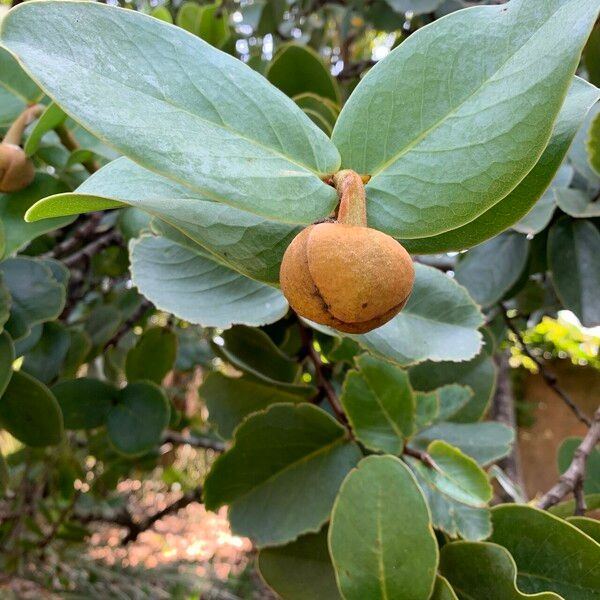
- 🍃 Leathery Foliage: The species name coriacea refers to its thick, "coriaceous" (leather-like) leaves. They are stiff, oval-shaped, and designed to withstand the intense sun and dry winds of the Cerrado.
- 🌸 Fleshy Flowers: The blossoms are understated but fascinating, featuring thick, triangular petals that are creamy yellow or greenish. They often have a subtle, fruity fragrance to attract beetle pollinators.
- 🍈 Warty Fruit: The fruit is large and heavy, covered in soft, scale-like protrusions. When ripe, the green skin turns yellowish-brown, and the interior is packed with a dense, fibrous, and incredibly aromatic orange pulp.
🏡 In Your Garden
- 🌱 Patience is Key: This is a slow-growing species. It invests a lot of energy into developing a deep taproot to find water, which means it hates being moved once planted. Choose its "forever home" carefully to avoid transplant shock.
- ☀️ Sun & Drainage: Being a child of the savanna, it craves full sun and extremely well-draining soil. It is remarkably drought-tolerant once established, but it will rot quickly if its "feet" stay wet in heavy clay.
- 🦋 Wildlife Magnet: If you plant this, expect visitors! The fruit is a vital food source for local fauna, while the flowers provide a specific niche for various beneficial beetles.
⚠️ Safety & Toxicity
- ✅ Edible Fruit: The pulp is safe and highly nutritious for humans, often used in juices, ice creams, and sweets.
- 🚫 Seed Warning: Like many members of the Annonaceae family (such as Cherimoya), the seeds contain alkaloids that can be toxic if crushed and ingested. Always discard the seeds when eating the fruit.
- 🐾 Pet Caution: While the fruit flesh is generally non-toxic, the hard seeds can pose a choking hazard or cause digestive upset in dogs and cats.
✨ Fun Fact
In the Brazilian state of Minas Gerais, the fruit is so beloved that they hold the "Festa do Marolo" (Marolo Festival), a celebration dedicated entirely to the culinary delights and cultural importance of this single wild plant!

Detailed Care Instructions
To grow Annona coriacea, commonly known as araticum or marolo, follow these steps:
- Climate: Ensure you are in a suitable climate for Annona coriacea. It thrives in tropical or subtropical regions. The plant prefers warm temperatures and cannot tolerate frost.
- Soil: Choose well-draining, fertile soil for the plant. Annona coriacea prefers slightly acidic to neutral soil conditions. If your soil is not suitable, you can improve it by adding organic matter such as compost or well-rotted manure.
- Location: Select a sunny spot for planting the Annona coriacea. It requires at least 6 to 8 hours of direct sunlight per day to grow and produce fruit.
- Planting: Obtain a healthy Annona coriacea sapling from a reliable nursery or propagate it from seeds. Choose a sapling with well-developed roots. Dig a hole large enough to accommodate the root system and gently place the sapling in the hole. Fill the hole with soil and firmly press it around the base of the plant. Water thoroughly after planting.
- Watering: Water the plant regularly, especially during the dry season. Annona coriacea prefers consistently moist soil but avoid overwatering, as it can lead to root rot.
- Fertilization: Apply a balanced organic fertilizer during the growing season to promote healthy growth and fruit production. Follow the instructions on the fertilizer packaging for the correct application rate.
- Pruning: Prune the plant to shape it and remove any dead or diseased branches. Pruning also helps to improve air circulation and sunlight penetration, leading to better fruiting.
- Pest and disease control: Keep an eye out for common pests and diseases such as aphids, scales, and fungal infections. Use organic or chemical controls as necessary to manage these issues.
- Harvesting: Annona coriacea usually bears fruit after 3 to 4 years of planting. Harvest the fruit when it is fully mature and slightly soft to the touch. The fruit should have a pleasant aroma.
Remember to research and follow any specific guidelines for your region to ensure the best possible results in growing Annona coriacea.
Annona Coriacea is a plant that requires a specific watering technique to ensure its optimal growth and health. Here is a detailed guide on how to water this plant:
- Understanding the Watering Needs: Annona Coriacea prefers a well-draining soil with regular moisture levels. It typically thrives in areas with an annual rainfall ranging from 800 to 1500 mm.
- Soil Moisture Check: Before watering, it's important to check the soil moisture level. Insert your finger or a moisture meter into the soil to determine if it is dry or slightly moist. Avoid watering if the soil feels wet as excessive moisture can lead to root rot.
- Watering Frequency: Annona Coriacea should be watered infrequently but deeply. Aim to water the plant every 7 to 10 days during dry spells. However, adjust the frequency based on the temperature, humidity, and overall weather conditions in your specific location.
- Watering Technique: When watering, it is crucial to water the plant at its base, directing the water towards the soil and roots rather than overhead. This helps prevent fungal diseases and wastage of water. Using a watering can or a drip irrigation system is recommended for precise watering.
- Amount of Water: The amount of water required varies depending on the size and age of the plant. As a general rule, provide enough water to moisten the top 6 to 8 inches (15 to 20 cm) of soil. Avoid overwatering, as it can lead to root suffocation and unnecessary stress on the plant.
- Mulching: Applying a layer of organic mulch, such as wood chips or dry leaves, around the plant can help conserve moisture and regulate soil temperature. Mulching also minimizes weed growth and improves the overall health of the plant.
- Monitoring: Regularly observe the plant's leaves for signs of water stress. Drooping or yellowing leaves can indicate lack of water, while blackened or moldy leaves may indicate overwatering. Adjust the watering regimen accordingly based on these visual cues.
Remember that environmental factors such as humidity, temperature, and sunlight intensity can influence the water needs of Annona Coriacea. It is essential to consider these factors and fine-tune the watering routine to ensure the plant's well-being.
To fertilize the Annona Coriacea plant:
- Choose a balanced, slow-release fertilizer with an NPK ratio (nitrogen, phosphorus, potassium) of 10-10-10 or similar.
- Apply the fertilizer during the growing season, preferably in spring or early summer.
- Dilute the fertilizer according to package instructions or use it at half strength to avoid over-fertilization.
- Spread the fertilizer evenly around the base of the plant, keeping it about 6 inches away from the stem.
- Gently work the fertilizer into the top layer of soil using a small hand tool or rake.
- Water the plant thoroughly after fertilizing to help the nutrients seep into the soil.
- Repeat the fertilizer application every 4-6 weeks during the growing season, but do not exceed the recommended dosage.
- Monitor the plant's growth and appearance to determine if adjustments in fertilization are needed. Avoid excessive fertilization, as it may harm the plant.
- Remember to follow safety precautions mentioned on the fertilizer label and wear appropriate protective gear during application.
When cultivating Annona coriacea, it is essential to provide the appropriate soil conditions for optimal growth. This plant thrives in well-draining soils that are rich in organic matter. The soil should be slightly acidic to mildly alkaline, with a pH range between 6.0 and 7.5.
A suitable soil mix for Annona coriacea can be achieved by combining equal parts of loamy soil and coarse sand. The loamy soil provides nutrients and retains moisture, while the sand ensures proper drainage, preventing the risk of waterlogging. This mixture allows roots to access oxygen and nutrients while preventing excess water from causing root rot.
Adding organic matter, such as compost or well-rotted manure, is highly beneficial for Annona coriacea's growth. Organic matter improves soil structure, enhances nutrient availability, and promotes microbial activity, fostering a healthy root environment. Incorporate approximately one-fourth to one-third organic matter into the soil mix.
Prior to planting, ensure that the soil is properly prepared by removing any rocks, weeds, or other debris. Loosen the soil to a depth of at least 12-16 inches, breaking up any clumps and creating a friable texture that will facilitate root penetration. This will also allow for better water and nutrient absorption.
It is important to note that Annona coriacea prefers slightly moist soils, but excessive watering should be avoided. Overwatering can lead to root rot and other fungal diseases. Regularly check the soil moisture levels and water the plant when the top inch of soil feels dry to touch. Apply water directly to the base of the plant to minimize wetting the foliage.
Lastly, consider mulching the soil around Annona coriacea. A layer of organic mulch, such as wood chips or straw, can help retain soil moisture, regulate soil temperature, and suppress weed growth. Apply a 2-3 inch layer of mulch, ensuring it does not come in direct contact with the plant's stem.
By providing the appropriate soil conditions, including a well-draining mixture with organic matter and maintaining proper moisture levels, you can create an ideal growing environment for Annona coriacea.
To propagate Annona coriacea, follow these steps:
- Start with ripe fruits: Harvest fully matured fruits from a healthy and disease-free Annona coriacea plant. Ensure that the fruits are fully ripened and not overripe.
- Clean the seeds: Rinse the fruit under running water to remove any dirt or debris. Cut the fruit open and scoop out the seeds from the pulp. Gently wash the seeds to remove any remaining pulp or fruit flesh.
- Stratify the seeds: Annona coriacea seeds require a period of cold stratification to break their dormancy and improve germination rates. Place the cleaned seeds in a moist paper towel or vermiculite and seal them in a plastic bag. Put the bag in a refrigerator and keep it there for about 3-4 months at a temperature of approximately 41-45°F (5-7°C). Make sure the paper towel or vermiculite remains moist throughout the stratification process.
- Prepare the planting medium: While the seeds are stratifying, prepare a well-draining planting medium. Use a mixture of peat moss, perlite, and vermiculite in equal proportions. This will ensure adequate drainage and aeration for the developing seedlings.
- Sow the seeds: After the cold stratification period, remove the seeds from the refrigerator. Fill small pots or seed trays with the prepared planting medium and sow the seeds about 1 inch (2.5 cm) deep. Cover the seeds lightly with the planting medium.
- Provide optimal conditions: Place the pots or seed trays in a warm and bright location, preferably with indirect sunlight. Maintain the soil temperature between 75-85°F (24-29°C) to promote germination. Water the seeds lightly, keeping the soil consistently moist but not waterlogged.
- Be patient: Germination of Annona coriacea seeds can be slow, taking anywhere from 3-12 weeks. Therefore, patience is key during this stage. Keep monitoring the moisture level and adjust watering accordingly.
- Transplant the seedlings: Once the seedlings have developed a few sets of true leaves, they can be gently transplanted into larger individual pots. Use a similar well-draining potting mix for transplanting. Handle the delicate seedlings with care to avoid damaging the roots.
- Provide proper care: Place the transplanted seedlings in a warm and sunny location. Water them regularly but avoid overwatering. Ensure the soil remains consistently moist, but never soggy. Fertilize the seedlings with a balanced, diluted liquid fertilizer once they have established and started to grow.
- Gradual acclimatization: As the seedlings grow, gradually expose them to outdoor conditions. Start by placing them in a sheltered spot with partial shade for a few hours each day. Over time, increase their exposure to direct sunlight until they are fully acclimated to outdoor conditions.
By following these steps, you can successfully propagate Annona coriacea from seeds and grow your own healthy plants.