Plant Overview
Often called the "Harbinger of Summer," Cow Parsley (Anthriscus sylvestris) is the plant responsible for the frothy, white clouds that line countryside hedgerows in late spring. While it is a member of the wild carrot family and looks delicate, it is a vigorous survivor known by many names, including Wild Chervil and the slightly ominous "Mother-Die." In many European folk traditions, it was believed that bringing this plant into the house would cause a family tragedy—a myth likely started to keep children away from its poisonous lookalikes.
🔍 How to Identify
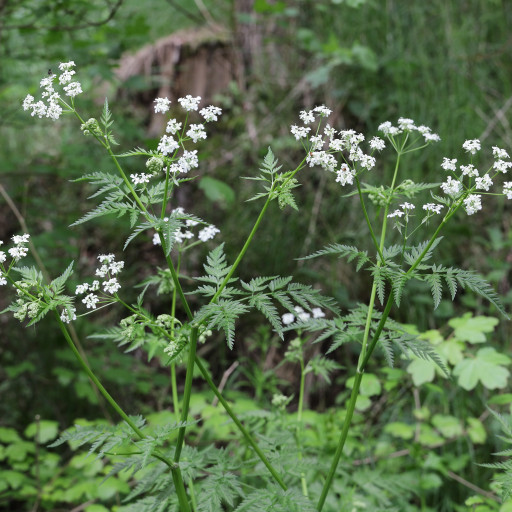
- 🌿 Fern-like Foliage: The leaves are deep green, highly divided, and feathery, resembling the leaves of garden chervil or a carrot plant.
- 🌸 Frothy Blooms: It produces flat-topped clusters (umbels) of tiny, five-petaled white flowers that appear to "float" above the grass on tall stems.
- 🌱 Hairy, Hollow Stems: The stems are green, deeply grooved, and usually have a fine, downy fuzz, especially near the base—unlike some of its toxic cousins which have smooth, spotted stems.
🏡 In Your Garden
- 🦋 Pollinator Magnet: This plant is an absolute powerhouse for biodiversity. Its shallow flowers are easily accessible to hoverflies, bees, and the orange-tip butterfly, making it a great addition to a wild meadow corner.
- 🚧 Thug of the Hedgerow: Be cautious when planting it in small borders. Cow Parsley spreads rapidly by seed and has a deep taproot, making it difficult to eradicate once it finds a spot it likes. It prefers moist, dappled shade where other plants might struggle.
⚠️ Safety & Toxicity
- 🚫 Lookalike Alert: STRICT WARNING. Cow Parsley belongs to the Apiaceae family, which includes the deadly Poison Hemlock and Giant Hogweed. Unless you are an expert botanist, never forage or eat this plant, as the visual differences between "harmless" and "deadly" are microscopic.
- 🐾 Skin Irritant: Some individuals find the sap to be a mild skin irritant, especially when exposed to sunlight (phototoxicity). It is best to wear gloves if you are clearing large patches to prevent "grass burns" or rashes.
✨ Fun Fact
In English folklore, the plant earned the nickname "Queen Anne’s Lace" because the delicate flowers were said to resemble the fine lace pillows of the Queen. Legend says that while she was crafting the lace, she pricked her finger, leaving a single drop of blood—which explains the tiny reddish-purple flower sometimes found in the very center of the white cluster.

Detailed Care Instructions
| Color | Green Stems And Leaves With White Flowers |
| Soil Ph | 6.0-8.0 |
| Humidity | Normal |
| Lighting | Part Sun |
| Toxicity | Poisonous |
| Soil Type | Well-Draining, Sandy, Clay, Chalky, Loamy |
| Bloom Time | Mid-Spring To Early Summer |
| Difficulty | Easy |
| Plant Type | Herbaceous Biennial |
| Hibernation | Cold Period |
| Mature Size | Up To 5 Feet Tall And 3 Feet Wide |
| Native Area | Europe, Northwestern Africa, And Western Asia |
| Sun Exposure | Full Sun To Partial Shade |
| Hardiness Zones | 7-10 |
To grow Anthriscus sylvestris (also known as cow parsley or wild chervil), follow these steps:
- Choose a suitable location: Anthriscus sylvestris prefers full sun to partial shade. Pick a spot in your garden that receives at least 4-6 hours of sunlight per day.
- Prepare the soil: Ensure that the soil is well-draining and enriched with organic matter. You can add compost or well-rotted manure to improve soil fertility.
- Sow the seeds: Till the soil lightly and sow the seeds directly in the garden in early spring or late autumn. Scatter the seeds evenly across the soil surface, aiming for a spacing of around 15-20 inches (depending on the desired density of your plants).
- Cover and water: Lightly cover the seeds with a thin layer of soil or compost, and gently water the area. Keep the soil moist but not waterlogged.
- Thin out seedlings: Once the seedlings emerge, usually within a few weeks, thin them out to give the remaining plants enough space to grow. Aim for a spacing of around 8-12 inches between plants.
- Mulch: Apply a layer of organic mulch, such as straw or wood chips, around the plants to help retain moisture, suppress weed growth, and improve soil fertility.
- Provide additional care: Water the plants regularly, especially during dry spells. Remove any weeds that may compete for nutrients and sunlight. Apply a balanced fertilizer once or twice during the growing season to promote healthy growth.
- Enjoy the blooms: Anthriscus sylvestris typically produces umbels of small white flowers in late spring to early summer. These flowers attract pollinators and add beauty to the garden.
Note: Cow parsley can self-seed quite prolifically. If you wish to prevent excessive spreading, you may want to deadhead the flowers before they go to seed or remove seed heads altogether.

Place in a window with dappled sun or a spot in the middle of a room. Or directly in a window facing west or east.

To water this particular plant, it is important to first consider the climate and weather conditions. If the plant is growing in an area with high humidity or frequent rainfall, it may not require regular watering. However, during periods of drought or hot, dry weather, it is important to ensure that the soil around the plant remains moist.
To water the plant, gently pour water around the base of the plant, being careful not to splash water onto the foliage or flowers. Use a watering can or hose with a gentle spray attachment to provide a slow, steady stream of water. Soil should be watered deeply, but not to the point where it becomes muddy or waterlogged.
It is important to monitor the soil regularly, as both over and under watering can be detrimental to the plant's health. The soil should never be allowed to completely dry out, but it should also not be constantly saturated with water. Provide enough water to maintain a consistent level of moisture in the soil throughout the growing season.
For best results, fertilize this plant in the early spring while the soil is still cool. Use a balanced fertilizer, with equal amounts of nitrogen, phosphorus, and potassium. Apply the fertilizer around the base of the plant, being careful not to get any on the foliage, and water thoroughly. Repeat this process every 4-6 weeks during the growing season. Avoid fertilizing too late in the season as it may encourage new growth that is susceptible to frost damage.
Anthriscus sylvestris grows best in well-draining, fertile soil that is rich in organic matter. The pH should be slightly acidic to neutral, typically ranging from 6.0 to 7.5. The soil should be kept moderately moist, but not waterlogged, as the plant is susceptible to root rot when subjected to soggy conditions. Light and sandy soils may not offer enough nutrients to support healthy growth, so adding compost or well-rotted manure to the planting site can improve soil quality. Mulching around the base of the plant can help retain moisture and suppress weeds. Additionally, the plant benefits from a balanced fertilizer application in early spring and again in midsummer to encourage strong growth and flowering.
To propagate this plant, take a stem cutting that is approximately 4-6 inches long. Remove the lower leaves and dip the cut end in rooting hormone. Place the cutting in a pot filled with moist potting soil and cover with a clear plastic bag to create a mini greenhouse. Keep the soil moist and place in a bright, but indirect, location. In 3-4 weeks, the cutting should have rooted and can be transplanted into a larger pot or outdoors in a sunny location.
Common pests of the cow parsley include Larvae, snails. Make a habit of checking your cow parsley frequently for pests so that any infestations can be caught and managed early.








