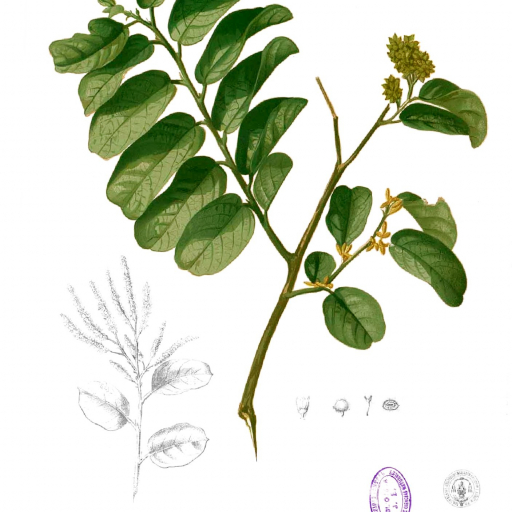
Plant Overview
Meet the Black Currant Tree, a hardy survivor of the tropical savannas and open forests of Southeast Asia and Northern Australia. Often called "Binayuyu" or "Mao Luang," this versatile tree is beloved for its clusters of tart, jewel-like berries that transition from a pale green to a deep, ink-black. It is a storyteller of the landscape, often indicating areas that have weathered seasonal fires and monsoons.
🔍 How to Identify
- 🍃 Velvety Leaves: The leaves are broadly elliptical or oblong, often featuring a soft, fuzzy (pubescent) underside that feels like felt to the touch.
- 🍇 Clustering Fruit: It produces tiny, round drupes that hang in dense, grape-like bunches. They change color dramatically as they ripen, providing a vibrant multi-colored display on a single branch.
- 🌳 Growth Habit: Usually a small to medium-sized tree with a crooked trunk and a dense, spreading canopy that provides excellent shade in hot climates.
🏡 In Your Garden
- 🔥 Fire Resilience: This species is incredibly tough; it is one of the few trees capable of regenerating quickly after bushfires, making it a "pioneer species" in disturbed or harsh landscapes.
- 🥣 Culinary Use: In its native regions, the sour fruits are a kitchen staple. While too tart for some to eat raw, they are prized for making deep purple jams, jellies, and refreshing fermented drinks.
- 🌿 Soil Specialist: It isn't picky about soil quality and can grow in sandy or rocky terrain where other fruit trees might struggle, provided it has plenty of room for its roots to spread.
⚠️ Safety & Toxicity
- ✅ Edible Berries: The ripe, dark purple fruits are safe for human consumption and are rich in natural antioxidants.
- 🐾 Pet Caution: While the fruit is non-toxic to humans, the high acid and tannin content in the unripe (green/red) berries may cause mild digestive upset in small pets if ingested in large quantities.
- 🧤 Leaf Handling: The leaves are generally safe, though the sap of many Antidesma species can be slightly sticky; sensitive individuals should wash their hands after heavy pruning.
✨ Fun Fact
The juice from the ripe berries is so intensely pigmented that it was historically used as a natural purple dye for textiles and even served as a permanent ink for writing in rural villages!

Detailed Care Instructions
To grow an Antidesma Ghaesembilla plant, also known as the Native Currant or Buah Merah, you can follow these steps:
- Obtaining the plant: You can either purchase a nursery-grown plant or try to obtain seeds or cuttings from a mature plant.
- Planting location: Antidesma Ghaesembilla plants require a sunny or partially shaded location with well-draining soil. Prepare the planting bed by loosening the soil and removing any weeds or debris.
- Planting method:
- From seeds: Soak the seeds in water for 24 hours to soften the seed coat. Plant the seeds about 1/4 inch deep in the prepared soil and cover them gently with soil. Mist the soil lightly with water and keep it consistently moist until germination, which usually takes 3-6 weeks.
- From cuttings: Take a 6-8 inch long stem cutting from a healthy, mature plant. Remove any leaves from the lower half of the cutting and dip the cut end in rooting hormone. Plant the cutting in a pot filled with well-draining potting mix, burying the cut end about 2 inches deep. Place the pot in a warm and bright location and keep the soil consistently moist. Roots should develop within 4-6 weeks.
- From seeds: Soak the seeds in water for 24 hours to soften the seed coat. Plant the seeds about 1/4 inch deep in the prepared soil and cover them gently with soil. Mist the soil lightly with water and keep it consistently moist until germination, which usually takes 3-6 weeks.
- Watering and fertilizing: Antidesma Ghaesembilla plants prefer consistently moist soil but not waterlogged conditions. Water the plant deeply once or twice a week, depending on the moisture level of the soil. During the growing season, you can apply a balanced fertilizer every 4-6 weeks to promote healthy growth.
- Mulching and weed control: Apply a layer of organic mulch around the base of the plant to help retain moisture and suppress weed growth. Mulching also helps regulate soil temperature.
- Pruning: Prune the plant to maintain its shape and remove any dead or damaged branches. Pruning can be done during the dormant season or after fruiting.
- Pest and disease control: Antidesma Ghaesembilla plants are relatively resistant to pests and diseases. However, you should still monitor for common issues such as aphids, mealybugs, or root rot. If any issues arise, treat them with appropriate organic or chemical solutions.
Remember to consult local gardening resources or experts for specific advice related to your region and climate.

Place in a window with dappled sun or a spot in the middle of a room. Or directly in a window facing west or east.

To properly water this plant, it is important to consider the soil moisture level and the environmental conditions. The soil should be kept consistently moist, but not waterlogged. This can be achieved by watering deeply but infrequently, allowing the soil to dry out slightly between waterings.
In addition, it is important to avoid getting water on the foliage or flowers, as this can lead to fungal growth and disease. Watering at the base of the plant or using a drip irrigation system can help prevent this.
If the plant is in a container, ensure that there is proper drainage to prevent waterlogged soil. It may also require more frequent watering than if it were planted in the ground.
During periods of high heat or low humidity, the plant may require more frequent watering. It is important to monitor the soil moisture level and adjust watering schedule accordingly.
- Choose a balanced fertilizer with equal parts nitrogen, phosphorus, and potassium.
- Dilute the fertilizer at a rate of 1 tablespoon per gallon of water.
- Water the plant thoroughly to moisten the soil.
- Pour the diluted fertilizer mixture over the soil around the base of the plant, avoiding the leaves.
- Repeat every 4-6 weeks during the growing season (spring and summer).
- Do not fertilize during the dormant season (fall and winter).
The soil for Antidesma Ghaesembilla plant should be well-draining and slightly acidic with a pH range of 5.5-6.5. The soil should be rich in organic matter and have good moisture retention capabilities while also being airy to avoid waterlogging. A mix of peat moss, perlite, and vermiculite is suitable for this plant. Alternatively, a mixture of loamy soil, sand, and compost can also be used. It is important to avoid using heavy clay soil or soil that is too compacted as this can lead to poor growth and root rot. Additionally, regular fertilization with a balanced fertilizer is recommended to promote healthy growth and development.
Antidesma Ghaesembilla can be propagated through stem cuttings. The stem should be of a mature plant, as it is more likely to produce roots. The stem cutting should be around 6 inches long and should be taken in the early morning before the heat of the day sets in. The lower leaves should be removed, leaving only 1-2 sets of leaves at the top of the cutting.
The cutting should be dipped in rooting hormone and planted in a pot filled with well-draining soil. The soil should be kept moist but not waterlogged. The potted cutting should be kept in a shaded area for a few weeks until it starts to develop roots. After the roots have formed, the plant can be gradually exposed to more sunlight, and eventually, transplanted to a larger pot or directly into a garden bed.
It is important to note that Antidesma Ghaesembilla is a slow-growing plant, and it may take several months for it to start showing significant growth. It is also important to be careful not to overwater the plant during its early stages of growth, as this can cause the new roots to rot.








