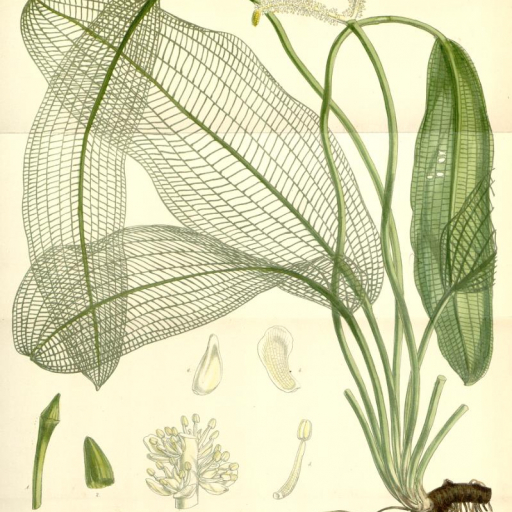
Plant Overview
Often referred to as the "living lace" of the aquatic world, the Madagascar Lace Plant is widely considered the crown jewel of freshwater aquascaping. Originating from the fast-flowing, cool streams of Madagascar, this plant looks like a delicate green skeleton, featuring leaves that are naturally "shredded" into a stunning lattice pattern. It is a true showstopper that demands respect and a bit of a green thumb to master.
🔍 How to Identify
- 🌿 Lace-Like Foliage: The most striking feature is its fenestrated leaves, which consist of a network of veins with no leaf tissue in between, creating a transparent, mesh-like appearance.
- 🌱 Growth Habit: It grows from a bulbous tuber, sending out long, strap-shaped leaves that can reach up to 18–24 inches in length in ideal conditions.
- 🌸 Unique Blooms: When happy, it sends a thick stalk above the water surface that splits into a "Y" shaped flower spike, usually white or purple.
🏡 In Your Aquarium
- 🌊 The Need for Flow: Unlike many delicate-looking plants, the Lace Plant loves high water movement. In the wild, its holes allow rushing river water to pass through without tearing the leaves.
- 💤 The Resting Period: This plant is famous for its "dormancy" phase. Every few months, it may shed its leaves and stop growing. Don't throw it away! It’s just sleeping; simply reduce the light and wait for new sprouts to emerge from the bulb.
- 🥪 Heavy Feeder: Because it grows from a tuber, it is a "root feeder." It requires a very nutrient-rich substrate or regular root tabs to maintain those intricate leaf structures.
⚠️ Safety & Toxicity
- ✅ Safe for Fish: This plant is completely non-toxic to fish, shrimp, and snails. In fact, many shy fish love to hide behind its semi-transparent leaves.
- 🐾 Pet Safety: While it is safe within the aquarium environment, the bulb and leaves are not intended for human or land-pet consumption.
- ✋ Delicate Handling: The leaves are surprisingly sturdy in water but can be easily crushed or snapped during planting or maintenance. Always handle it by the tuber.
✨ Fun Fact
The holes in the leaves aren't just for show—scientists believe they are an evolutionary adaptation to prevent the plant from being uprooted by the heavy tropical currents of Madagascan rivers, acting like a biological "sieve."

Detailed Care Instructions
Growing Aponogeton madagascariensis, commonly known as the Madagascar lace plant, can be a rewarding but somewhat challenging endeavor, as it has specific requirements for thriving. Here are some key steps to help you successfully grow this beautiful aquatic plant:
1. Tank Setup
- Tank Size: Ideally, use a tank of at least 20 gallons to provide adequate space.
- Substrate: Use a nutrient-rich substrate like laterite or an aquarium soil designed for plants. The roots need to anchor well and draw nutrients from the substrate.
2. Water Conditions
- Temperature: Keep the water between 66-74°F (19-23°C). This plant prefers cooler water temperatures.
- pH Level: Maintain a neutral pH level around 6.5-7.5.
- Water Hardness: Soft to moderately hard water is ideal (2-12 dKH).
- Filtration: Use a gentle filter to avoid disturbing the delicate leaves. Good water flow is essential but should not be too strong.
3. Lighting
- Intensity: This plant requires moderate to high lighting, around 2-3 watts per gallon.
- Duration: Provide about 10-12 hours of light per day. Using a timer can help maintain a consistent light schedule.
4. Planting
- Plant the tuber in the substrate with the growing point facing up. Ensure the top of the tuber is above the substrate to prevent rot.
5. Fertilization
- Root Tabs: Insert root tabs or plant-specific fertilizers into the substrate near the plant's roots every 6-8 weeks.
- Liquid Fertilizer: Supplement with a liquid fertilizer weekly that contains essential micronutrients like iron, potassium, and trace elements.
6. CO2 Supplementation
While not absolutely necessary, CO2 supplementation can encourage healthier and more robust growth, especially in high-light setups.
7. Maintenance
- Pruning: Trim any yellowing or decaying leaves to maintain plant health.
- Water Changes: Perform regular water changes to keep water quality high and remove any buildup of harmful substances.
8. Propagation
- Seeds: This plant can be propagated via seeds, though it requires some expertise. Flowering can be induced under optimal conditions, but seed collection and germination can be tricky.
- Tuber Division: Occasionally, mature tubers may produce offsets that can be carefully separated and replanted.
9. Dormancy
The Madagascar lace plant often enters a dormancy period where it will stop growing and may lose some leaves. During this phase:
- Reduce Light: Lower the lighting intensity.
- Cooler Temperature: Maintain cooler water temperatures to simulate a natural dormancy period.
- Minimal Fertilization: Cut back on fertilization until new growth begins.
10. Pests and Diseases
- Watch for pests like snails or algae that may damage the delicate leaves. Use appropriate measures such as snail traps or algae control methods.
- Maintain good water quality to prevent diseases and rot.
By providing the proper environment and care, you can successfully grow Aponogeton madagascariensis and enjoy its unique and beautiful lace-like leaves in your aquarium.
Aponogeton Madagascariensis, a unique and intriguing aquatic plant, requires specific care, particularly in terms of its watering and general aquatic environment:
- Aquarium Setup:
- Utilize a well-maintained aquarium with sufficient space as these plants can grow fairly large.
- Ensure the aquarium has a proper filtration system to keep the water clean and to facilitate a gentle flow, mimicking their natural habitat.
- Utilize a well-maintained aquarium with sufficient space as these plants can grow fairly large.
- Water Quality:
- Temperature: Maintain a water temperature between 68-75°F (20-24°C).
- pH Level: Aim for a neutral to slightly acidic pH, ranging from 6.5 to 7.5.
- Hardness: They prefer soft to moderately hard water, with a dGH range of 3-8.
- Temperature: Maintain a water temperature between 68-75°F (20-24°C).
- Water Changes:
- Perform regular water changes to maintain water quality and remove any waste products. This can be done weekly, replacing about 20-25% of the water to ensure a stable and healthy environment.
- Perform regular water changes to maintain water quality and remove any waste products. This can be done weekly, replacing about 20-25% of the water to ensure a stable and healthy environment.
- Lighting:
- Moderate to strong lighting is essential. This plant thrives under conditions that replicate its natural sunlight exposure. Using full-spectrum aquarium lights can promote healthy growth.
- Moderate to strong lighting is essential. This plant thrives under conditions that replicate its natural sunlight exposure. Using full-spectrum aquarium lights can promote healthy growth.
- CO2 and Nutrients:
- Consider supplementing the water with CO2 to enhance growth. Additionally, liquid fertilizers or root tabs can be added to provide essential nutrients, particularly iron, which this plant requires for maintaining its lush appearance.
- Consider supplementing the water with CO2 to enhance growth. Additionally, liquid fertilizers or root tabs can be added to provide essential nutrients, particularly iron, which this plant requires for maintaining its lush appearance.
- Water Movement:
- Avoid turbulent water; gentle water flow is ideal. Strong currents can damage the delicate leaves of the plant.
- Avoid turbulent water; gentle water flow is ideal. Strong currents can damage the delicate leaves of the plant.
- Seasonal Dormancy:
- This plant naturally undergoes a dormancy period. Mimicking this by occasionally reducing light and temperature can be beneficial. During dormancy, reduce watering and wait for signs of regrowth to resume regular care.
By maintaining optimal water conditions, providing the necessary nutrients, and actively managing their environment, you can successfully cultivate Aponogeton Madagascariensis and enjoy its unique beauty in your aquarium.
- This plant naturally undergoes a dormancy period. Mimicking this by occasionally reducing light and temperature can be beneficial. During dormancy, reduce watering and wait for signs of regrowth to resume regular care.
Fertilizing Aponogeton madagascariensis involves understanding the specific needs of this unique aquatic plant. Here are the steps to fertilize it properly:
- Select a Balanced Aquarium Fertilizer:
Choose a high-quality, balanced aquarium plant fertilizer that provides essential macro and micronutrients like nitrogen (N), phosphorus (P), potassium (K), iron (Fe), and trace elements. A specialized liquid fertilizer designed for aquatic plants is often ideal.
- Root Tabs for Substrate Enrichment:
This plant benefits from nutrient-rich substrates. Use root tabs to supplement the substrate if you are using inert materials like sand or gravel. Place these tabs at the plant's root zone, ensuring they release nutrients slowly over time.
- Water Column Fertilization:
In addition to root tabs, dose the water column with liquid fertilizers to ensure the plant receives nutrients via both its roots and leaves. Follow the manufacturer’s instructions for dosing frequency and amount, often on a weekly or bi-weekly basis.
- Consistent CO2 Supply:
Although not strictly a fertilizer, providing a consistent supply of CO2 will greatly improve the growth and health of this plant. Consider using a CO2 injection system to maintain stable CO2 levels.
- Monitor Iron Levels:
This plant has a high demand for iron. Consider using an iron-specific supplement if you notice signs of deficiency, such as yellowing leaves with green veins (chlorosis).
- Regular Water Changes:
Perform regular water changes to prevent the buildup of excess nutrients, which can lead to algae problems. Typically, a 25% water change every week is recommended.
- Lighting Considerations:
Ensure that the plant receives sufficient light, usually medium to high intensity. Inadequate light can hinder the plant’s ability to utilize the provided nutrients effectively.
- Observe and Adjust:
Pay close attention to the plant’s growth and appearance. If you notice stunted growth, yellowing leaves, or other signs of nutrient deficiency, reassess your fertilization regimen and make necessary adjustments. It can be helpful to test the water for nutrient levels to better understand the plant’s needs.
By carefully managing these factors, you can provide optimal conditions for Aponogeton madagascariensis to thrive in your aquarium.
Aponogeton madagascariensis is a unique aquatic plant known for its distinctive, lattice-like leaves, and it has specific requirements when it comes to the substrate used in an aquarium. Here are detailed guidelines on the ideal substrate:
- Nutrient-Rich Soil: This plant prefers a substrate that is rich in nutrients to support its growth. Aquatic plant soil or nutrient-rich aquarium substrates that contain essential nutrients like iron, potassium, and trace elements are ideal. These substrates tend to release nutrients slowly, providing a steady supply over time.
- Grain Size: The substrate should be fine to medium-grained, ideally between 1-3 mm in diameter. This size allows the plant's roots to anchor easily while also promoting nutrient absorption and preventing the substrate from compacting too tightly.
- Substrate Layers: A multi-layered substrate can be beneficial. Start with a nutrient-rich base layer to provide essential minerals and nutrients, then cover it with a layer of fine gravel or sand to prevent the nutrient-rich base from clouding the water.
- Depth: Ensure that the substrate is deep enough to support the plant's root system. A depth of at least 2-3 inches (5-7.5 cm) is recommended to allow proper root development.
- Supplements: While the right substrate provides a good start, regular fertilization is important. Root tabs or liquid fertilizers that supply additional nutrients like nitrogen, phosphorus, and potassium can help maintain healthy growth. Iron supplements, in particular, can be beneficial due to the plant's high iron requirements.
- Water Parameters: While not directly related to the soil, maintaining the appropriate water parameters is crucial for the plant's overall health. This includes keeping water temperature between 68-75°F (20-24°C), pH levels between 6.5-7.5, and ensuring moderate to strong water flow to simulate its natural habitat.
Following these guidelines will help create an optimal environment for Aponogeton madagascariensis to thrive in your aquarium. Regular monitoring and adjustment of the substrate and water conditions will further ensure the plant remains healthy and vibrant.
Propagating Aponogeton madagascariensis involves a series of steps to ensure that the unique characteristics of the plant are adequately preserved and that it grows successfully. Here’s a detailed guide on how to propagate this aquatic plant species:
Materials You Will Need
- Healthy parent plant
- Sharp, sterilized scissors or pruning shears
- A suitable aquarium with appropriate lighting and water conditions
- Fertile substrate (e.g., aqua soil)
- Supplements or fertilizers suitable for aquatic plants
Environmental Conditions
- Water Parameters: Maintain a temperature range of 68-75°F (20-24°C) with soft to moderately hard water (1-10 dGH) and a pH between 6.5 and 7.5.
- Lighting: Provide moderate to high lighting to support growth. These plants thrive under conditions that mimic their natural habitat, which usually involves bright, indirect light.
- Nutrients: Enrich the substrate with nutrients, either through the substrate itself or by adding aquatic fertilizers. CO₂ supplementation in the aquarium will also benefit their growth.
Propagation Steps
- Healthy Parent Plant: Ensure you have a healthy, mature plant. Look for robust leaves and a well-established bulb or rhizome.
- Division of Rhizomes:
- Gently remove the plant from the substrate, taking care to keep the bulb and root system intact.
- Inspect the rhizome for natural divisions or areas where it can be safely cut. Each segment should have a growth node or a few healthy roots attached.
- Using sterilized scissors or pruning shears, carefully cut the rhizome into sections.
- Gently remove the plant from the substrate, taking care to keep the bulb and root system intact.
- Replanting Divisions:
- Prepare individual planting spots in the substrate where each rhizome division will be placed.
- Plant the divisions back into the substrate, ensuring the rhizome or bulb is partially buried and the growth points are exposed to light.
- Space the divisions adequately to allow for future growth and avoid competition for resources.
- Prepare individual planting spots in the substrate where each rhizome division will be placed.
- Seed Propagation (alternative method):
- Sometimes, the flowering spike can produce seeds. If seeds are available, they can be collected once mature.
- Sow the seeds in a shallow layer of nutrient-rich substrate in a separate, controlled tank with appropriate light and water conditions.
- Keep the water level low initially to support germination, gradually increasing it as seedlings grow.
Post-Propagation Care
- Sometimes, the flowering spike can produce seeds. If seeds are available, they can be collected once mature.
- Monitoring: Regularly check the new plants for any signs of stress or disease. Ensure they are receiving adequate light and nutrients.
- Maintenance: Perform routine water changes and remove any detritus or algae that may compete with the new plants.
- Nutrient Supply: Add liquid fertilizers if necessary, following appropriate dosing guidelines for aquatic plants to support steady growth.
By following these steps and providing the necessary care, you can successfully propagate Aponogeton madagascariensis and ensure that the new plants establish themselves healthily in the aquarium environment.








