Plant Overview
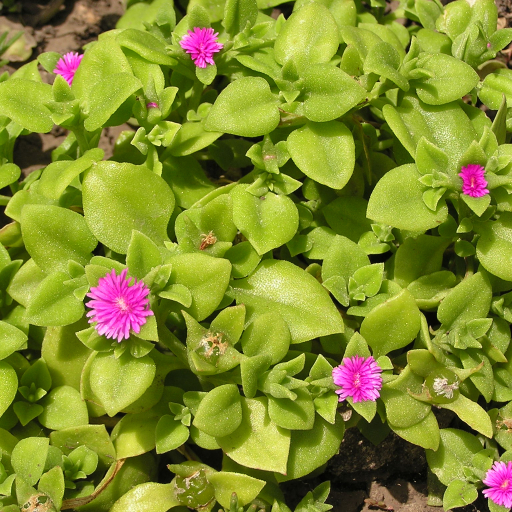
Often called the "Baby Sun Rose" or "Heart-leaf Ice Plant," Aptenia cordifolia is a vibrant, low-growing succulent that looks like a shimmering carpet of tiny neon hearts. Originating from the rocky slopes of South Africa, it has become a global favorite for its ability to transform dry, neglected corners into a lush sea of green and magenta. It is the ultimate "survivalist" plant, thriving with grace in heat that would wilt most garden flowers.
🔍 How to Identify
- 💚 The Leaves: Small, fleshy, and distinctly heart-shaped with a bright lime-to-forest green hue.
- 🌸 The Flowers: Numerous multi-petaled blossoms that look like tiny daisies, usually appearing in brilliant shades of rose-pink or deep red.
- ✨ The Texture: The foliage has a glistening, "crystalline" appearance when viewed up close, which is why it is categorized among the "Ice Plants."
🏡 In Your Garden
- ☀️ Sun Seeker: This plant is a dedicated sun-worshipper; the flowers are light-sensitive and will strictly open during the brightest part of the day and close tight at night or during heavy cloud cover.
- 💧 Drought Strategy: Because it stores water in its thick, succulent leaves, it prefers "tough love" over pampering. It is highly susceptible to root rot if the soil stays damp, so it requires exceptionally sharp drainage.
- 🌿 Growth Habit: It has a prostrate, trailing habit that makes it perfect for "spilling" over the edges of hanging baskets or acting as a fire-resistant groundcover in arid climates.
⚠️ Safety & Toxicity
- 🐾 Safe Status: Good news for pet owners—the Baby Sun Rose is generally considered non-toxic to cats, dogs, and horses.
- 👶 Child Safety: It is non-poisonous to humans, though the sap can occasionally cause very mild skin redness in individuals with extreme sensitivities. It is a much safer alternative to many other common succulent groundcovers.
✨ Fun Fact
The Aptenia cordifolia is technically "heliotropic." In some regions, it is nicknamed "The 10 O'Clock Flower" because the blooms wait until the sun is high and the morning dew has vanished before they reveal their vibrant colors!

Detailed Care Instructions
| Color | Foliage Is A Bright Green, Flowers Are Purple To Pink, Or Sometimes White Or Gold-Yellow |
| Soil Ph | 6.1-7.8 |
| Humidity | Dry |
| Lighting | Full Sun |
| Toxicity | Non-Toxic |
| Soil Type | Succulent Or Cactus Mix (Well-Draining Soil) |
| Bloom Time | Spring To Autumn (In Naturally Tropical Climates, It Can Bloom All Year) |
| Difficulty | Medium |
| Plant Type | Perennial |
| Hibernation | Cold Period |
| Mature Size | Up To 6 Inches Tall, And Up To 2 Feet Wide |
| Native Area | South Africa |
| Sun Exposure | Full Sun |
| Hardiness Zones | 9-10 |
To grow Aptenia Cordifolia, commonly known as Heartleaf ice plant, you can follow these steps:
- Choose a suitable location: Aptenia Cordifolia prefers full sun to partial shade. Make sure the site has well-drained soil.
- Prepare the soil: Before planting, loosen the soil and remove any weeds or rocks. Mix in some organic matter like compost to improve soil fertility and drainage.
- Propagation: Aptenia Cordifolia can be propagated from seeds, stem cuttings, or division. Seeds can be sown in moist soil during the spring. For stem cuttings, select a healthy stem and cut it below a node. Remove any lower leaves and plant the cutting in well-draining potting mix. Maintain a lightly moist environment until roots develop. Division can be done by separating an established plant into smaller sections and replanting each section.
- Planting: If you are planting directly into the ground, dig a hole slightly larger than the plant's root ball. Place the plant in the hole and backfill with soil, firming it gently around the roots. Space the plants about 6 to 12 inches apart.
- Watering: Water the plants regularly, especially during the first few weeks after planting, to establish a strong root system. Aptenia Cordifolia is drought tolerant once established, but regular watering in dry periods can promote better growth.
- Mulching: Apply a layer of organic mulch around the plants to help retain moisture, suppress weeds, and regulate soil temperature.
- Maintenance: Aptenia Cordifolia does not require much maintenance. Prune back any dead or overgrown stems to encourage compact growth and remove wilted flowers regularly to promote continuous blooming.
- Fertilization: Use a balanced, slow-release fertilizer in spring to provide essential nutrients. Follow the instructions on the fertilizer label and avoid over-fertilization, as it can cause excessive foliage growth with fewer flowers.
- Pests and diseases: Aptenia Cordifolia is generally resistant to pests and diseases. However, keep an eye out for aphids and mealybugs. If infested, treat with insecticidal soap or neem oil.
By following these guidelines, you can successfully grow Aptenia Cordifolia and enjoy its vibrant heart-shaped leaves and attractive pink flowers.

Place in a bright room that is sun drenched almost all day. Or directly in a south-facing window.

To water this plant, ensure that the soil is dry to the touch before watering it. Use a watering can or hose with a gentle nozzle to pour water around the base of the plant until the soil is moistened. Do not overwater, as this may cause root rot. Allow the soil to dry out slightly before watering again, and avoid getting water on the leaves to prevent fungal diseases. In hotter or drier climates, water more frequently to prevent drying out.
To fertilize this plant, first select a balanced fertilizer with an equal ratio of nitrogen, phosphorus and potassium. Dilute the fertilizer according to the package instructions and apply it to the soil around the plant. Water the plant well after fertilizing to ensure that the nutrients are properly distributed. Fertilize regularly throughout the growing season, typically every two to four weeks. Avoid over-fertilizing, as this can cause damage to the plant.
Soil suitable for growing this plant should be well-draining and rich in nutrients. It needs a soil that is slightly acidic with a pH level between 6.0 and 7.0. The ideal soil mix should be a blend of sand, perlite, peat moss, and loam. This combination of soil provides a balance of organic matter and drainage, which helps to prevent the soil from becoming waterlogged. It is also important to ensure that the soil is free of any pests or diseases that could harm the plant. It is recommended to top-dress the soil with compost or organic fertilizer every few months to replenish essential nutrients for the plant to thrive.
To propagate this plant, begin by selecting a healthy stem from the parent plant. Using a clean and sharp pair of shears, make a cutting that is at least 4-6 inches (10-15 cm) long. Make sure the stem has at least 2-3 leaves attached to it.
Let the cutting dry out and callus over for a day or two. This will help prevent rot and disease when planted.
Fill a small pot with well-draining soil and make a small hole in the center. Dip the cut end of the stem in rooting hormone powder, then carefully place it into the hole in the soil. Firmly press the soil around the stem to ensure it is secure and upright.
Place the pot in a warm and bright location, but out of direct sunlight. Water the cutting lightly, making sure not to overwater and saturate the soil.
In a few weeks, small roots should start to emerge from the stem and the plant will begin to grow. Once the plant is established with a healthy root system, it can be transplanted into a larger pot or directly into the ground.








