Plant Overview
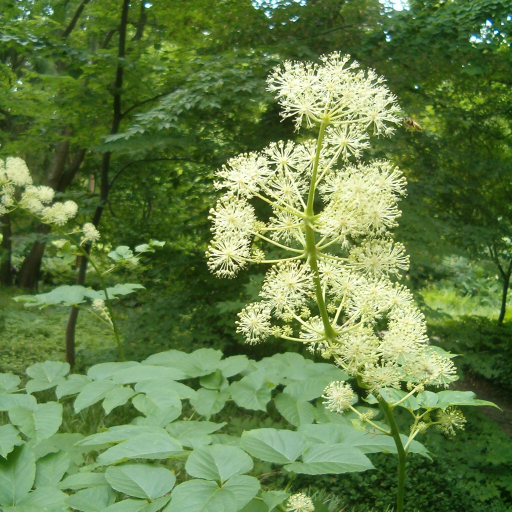
Often called "Udo" or "Japanese Spikenard," Aralia cordata is a dramatic, oversized perennial that brings a touch of the Japanese forest to your backyard. Known as "Mountain Asparagus," its young shoots have been prized for centuries in East Asia for their crisp texture and unique, herbal flavor. It is an architectural wonder, growing with the speed of a giant while thriving in the cool, quiet shadows of the garden.
🔍 How to Identify
- 🌿 Stature & Stems: This is a herbaceous giant that can reach up to 9 feet tall in a single season. The stems are thick, fleshy, and often covered in fine, downy hairs.
- 🍃 Lush Foliage: It features massive, compound leaves that can be 3 feet long. The leaflets are heart-shaped (hence "cordata") with jagged edges, creating a lush, tropical canopy look.
- ⚪ Spherical Blooms: In late summer, it produces large, branched clusters of tiny white flowers that look like exploding fireworks or pom-poms.
🏡 In Your Garden
- 💧 The Thirsty Giant: Because of its massive leaf surface, Aralia cordata transpires water quickly. It prefers consistently moist, rich soil; if the ground dries out, the plant will "faint" dramatically, though it usually perks up quickly after a deep soak.
- 🌑 Shadow Dweller: This plant is a true shade lover. In the wild, it grows on the edges of forests. In your garden, it’s the perfect solution for those "difficult" north-facing spots where you need height but don't have enough sun for traditional shrubs.
⚠️ Safety & Toxicity
- ✅ Status: Generally safe for humans and pets, with edible nuances.
- 🥣 Details: The young, blanched shoots are edible for humans and taste like a cross between asparagus and lemon. However, as the plant matures, the stalks become tough and the berries—while not considered deadly—can cause mild stomach upset if ingested. For pets, it is best to discourage chewing, as the Aralia family contains saponins that might irritate the mouth or stomach.
✨ Fun Fact
In Japan, there is a popular idiom, "Udo no taiboku," which translates to "the great wood of the Udo." Since the plant grows massive but has a soft, useless stem that never turns into real wood, the phrase is used to describe someone who is physically large but lacks the skills or "spine" to be useful—a bit of a harsh critique for such a beautiful plant!

Detailed Care Instructions
To grow Aralia cordata, also known as the Japanese spikenard or udo, you can follow these steps:
- Choose a suitable location: Aralia cordata thrives in partial shade to full shade. Select a spot in your garden that receives dappled sunlight or shade throughout the day.
- Prepare the soil: The plant prefers rich, moist, and well-draining soil. Amend the soil with organic matter, such as compost, to improve its fertility and drainage.
- Planting: Dig a hole slightly larger than the container the Aralia cordata plant is in. Gently remove the plant from its pot and place it in the hole, ensuring the top of the root ball is level with the ground. Backfill the hole with soil, gently firming it around the plant.
- Watering: Keep the soil consistently moist but not waterlogged. Aralia cordata appreciates regular watering, particularly during dry periods. Mulching around the plant can help retain moisture and prevent weed growth.
- Fertilization: Apply a balanced, slow-release fertilizer in spring and mid-summer to provide essential nutrients for healthy growth. Follow the instructions on the fertilizer packaging for the appropriate application rates.
- Pruning: Prune Aralia cordata in late winter or early spring before new growth appears. Remove any dead, damaged, or crossing branches to maintain a healthy and attractive shape.
- Winter protection: In colder climates, where Aralia cordata is not fully hardy, provide winter protection by mulching the base of the plant with a thick layer of organic material, such as straw or leaves. This will help insulate the roots and protect them from freezing temperatures.
- Pest and disease control: Aralia cordata is relatively resistant to most pests and diseases. However, keep an eye out for aphids, spider mites, and leaf spot diseases. If necessary, treat pests or diseases with appropriate horticultural oils or insecticides.
By following these steps and providing the right conditions, you can successfully grow Aralia cordata in your garden.

Place in a window with dappled sun or a spot in the middle of a room. Or directly in a window facing west or east.

To properly water the Aralia Cordata plant, it is important to first understand its watering requirements. This plant should be watered consistently, but not overwatered. The soil should be allowed to slightly dry out between waterings.
To water the Aralia Cordata plant, begin by checking the soil moisture level. Stick your finger about an inch into the soil - if it feels dry to the touch, it's time to water. Use a watering can or hose attachment with a gentle stream to water the soil and avoid getting water on the leaves. Water until the soil is evenly moist, but not soaking wet.
Avoid letting standing water accumulate in the pot or saucer, as this can lead to root rot and other issues. Additionally, it is important to avoid letting the soil dry out completely, as this can cause damage to the roots.
It is recommended to water the Aralia Cordata plant once or twice a week, depending on environmental factors such as humidity, temperature, and light levels. Adjust watering frequency as needed to keep the soil consistently moist, but not waterlogged.
To fertilize this plant, use a balanced fertilizer with similar amounts of nitrogen, phosphorus, and potassium. Dilute the fertilizer to half strength and apply it every two weeks during the growing season, which is typically spring and summer. Avoid fertilizing during the dormant season in fall and winter. Be sure to follow the manufacturer's instructions for dosage and application.
A suitable soil mix for Aralia Cordata plant is a well-draining soil that is rich in organic matter. This plant prefers slightly acidic soil with a pH range of 5.5 to 6.5. A mix that contains peat moss, perlite, and coarse sand is ideal for this plant. Additionally, adding some well-rotted compost or aged manure can provide additional organic matter to the soil. It is important to avoid soil mixes that retain too much moisture, as this can lead to root rot. The soil should also be kept consistently moist, but not waterlogged. Overall, a well-draining, nutrient-rich soil mix with a slightly acidic pH is best for Aralia Cordata plant.
To propagate this plant, you will need to first take a cutting from the stem of a healthy and mature plant. Use sharp, clean scissors to make a clean cut around 6 inches from the tip of a stem. Remove any leaves from the bottom 2 inches of the stem, leaving only a few at the top of the cutting.
Prepare a pot filled with well-draining soil, such as a mixture of peat moss and perlite. Moisten the soil lightly and then create a small hole in the center of the pot.
Dip the cut end of the stem into rooting hormone powder and gently tap off any excess. Carefully place the stem into the hole in the soil and press the soil around it to secure it in place. Water the cutting thoroughly, but be careful not to overwater it.
Place the pot in a warm and bright location, but avoid direct sunlight. Keep the soil moist but not waterlogged, and mist the plant regularly to maintain humidity. Within a few weeks, you should see new growth emerging from the stem. After a few months, the plant should be large enough to transplant to a larger pot or outdoors into a garden bed.








