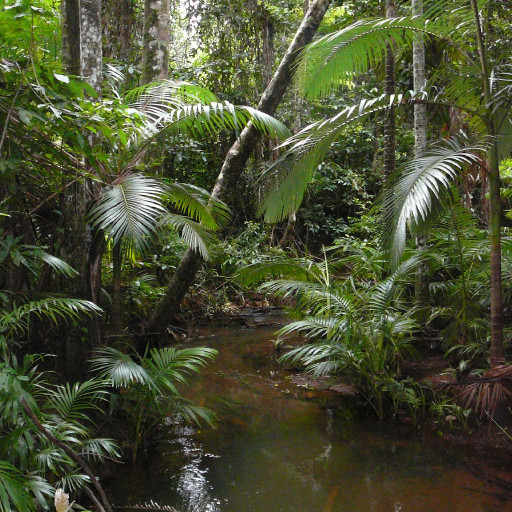
Plant Overview
Often hailed as the "King Palm" or the "Alexandra Palm," this Australian native brings an air of royal elegance to any landscape. Named in honor of Princess Alexandra of Denmark, this palm is famous for its stately, slender trunk and its graceful, arching fronds. It is a favorite among gardeners who want a tropical "resort feel" without the messy maintenance of other palm species.
🔍 How to Identify
- 👑 The Crownshaft: Look for a prominent, smooth, lime-green "sleeve" at the top of the trunk where the leaves emerge. It is slightly swollen and looks polished.
- 🍃 Silvery Undersides: A key giveaway for this species is the leaf color; while the tops are a vibrant green, the undersides have a distinct silvery-grey or glaucous tint.
- 📏 The Trunk: The trunk is light grey, slim, and marked with rhythmic horizontal rings (scars from old leaves), giving it a "stepped" appearance.
- 🌸 Cascading Blooms: It produces large, drooping clusters of creamy-white flowers that eventually turn into small, bright red fruits.
🏡 In Your Garden
- 🧹 Self-Cleaning Nature: One of the best features for homeowners is that this palm is "self-cleaning." When a frond dies, it drops off completely on its own, meaning you’ll never need a tall ladder for pruning.
- 💧 Thirst for Humidity: Coming from the rainforests of Queensland, this palm craves moisture. It’s much less drought-tolerant than other palms and thrives near water features or in spots with rich, well-draining soil that stays consistently damp.
- ☀️ Sun Strategy: While mature "Kings" love the full sun, younger plants prefer "stepping stones" of light. If you are planting a sapling, try to provide some afternoon shade until it establishes its height.
⚠️ Safety & Toxicity
- ✅ Pet Friendly: The Archontophoenix alexandrae is generally considered non-toxic to dogs, cats, and horses, making it a safe choice for family backyards.
- 🔴 Slip Hazard: Because the heavy fronds fall off naturally, they can become a tripping hazard or a "slip-and-slide" on walkways if not cleared away after a windy day.
- 🥜 Fruit Caution: While not famously poisonous, the red berries are not for human consumption and can cause minor stomach upset if ingested by curious toddlers.
✨ Fun Fact
The Alexandra Palm is a "pioneer species" in its native Australian habitat. This means it is often one of the first trees to grow back and reclaim land after a rainforest has been cleared or disturbed, acting as a natural protector for the smaller plants growing beneath it.

Detailed Care Instructions
| Soil Ph | 5-7.5 |
| Lighting | Full Sun |
| Toxicity | Non-Toxic |
| Soil Type | Well-Drained |
| Bloom Time | Midsummer |
| Plant Type | Pinnate |
| Mature Size | Height Of 98 Ft. With A Trunk Up To 12 In. Diameter |
| Native Area | Australia |
| Sun Exposure | Full Sun With A Little Bit Of Shade |
| Hardiness Zones | 10-11 |
To grow Archontophoenix alexandrae (also known as Alexandra palm or King palm), you can follow these steps:
- Select a suitable location: King palms prefer a partially shaded area with well-draining soil. They can tolerate some direct sunlight but too much can scorch their leaves.
- Prepare the soil: Ensure the soil is well-draining by adding organic matter such as compost or well-rotted manure. This helps retain moisture without causing waterlogging.
- Plant the palm: Dig a hole slightly larger and deeper than the plant's root ball. Place the palm in the hole, ensuring that it sits at the same depth it was in the nursery container. Fill the hole with soil, gently firming it around the roots.
- Water thoroughly: Give the palm a deep watering immediately after planting. After that, water it regularly, keeping the soil moist but not waterlogged. During hot and dry periods, increase the frequency of watering.
- Mulch the base: Apply a layer of organic mulch around the base of the palm to help retain moisture and suppress weed growth. Leave a gap between the mulch and the trunk to prevent rot.
- Fertilize: Apply a slow-release palm fertilizer according to the package instructions. Typically, you would fertilize in spring and summer, avoiding the winter months.
- Prune as needed: Remove dead or damaged fronds by cutting them close to the trunk. Avoid removing green fronds as this can harm the palm.
- Monitor for pests and diseases: Keep an eye out for common issues such as aphids, scale insects, or fungal diseases. If detected, treat them promptly with appropriate insecticides or fungicides.
- Protect from cold and frost: If you live in a region with cold winters, consider protecting your King palm from freezing temperatures by wrapping it with frost cloth or temporarily relocating it indoors.
- Patience and care: King palms grow relatively slowly, so be patient and provide consistent care throughout the year. With time, your palm will gradually grow taller and develop a full canopy.
Remember to research and consider your climate and local growing conditions to ensure the best care for Archontophoenix alexandrae.

Place in a window with dappled sun or a spot in the middle of a room. Or directly in a window facing west or east.

Archontophoenix Alexandrae is best watered when thoroughly dry. When irrigating, water should be applied slowly and deeply. This plant should never be allowed to sit in standing water, as it can lead to root rot and other fungal diseases. It is important to ensure that drainage is adequate.
During the summer, it may be necessary to water more frequently due to increased evaporation. In contrast, during the winter, watering should be minimal as the plant enters its dormant phase. The amount and frequency of watering will depend on factors such as the season, humidity, and the size of the plant.
One method of watering is to use a watering can or hose to apply water directly to the base of the plant. This allows it to be absorbed by the roots more easily. Another option is to use a drip irrigation system, which can be set up to water the plant according to a specific schedule.
Monitoring the moisture level of the soil is important to ensure that the plant is receiving adequate water. This can be done by inserting a finger or a moisture meter into the soil. If the soil feels dry, it is time to water. If it feels moist, it is best to wait before watering again.
Overall, it is important to provide Archontophoenix Alexandrae with consistent and appropriate watering to keep it healthy and thriving.
To fertilize this plant, use a slow-release, balanced fertilizer with a 10-10-10 or 14-14-14 NPK ratio. Apply the fertilizer evenly around the plant's root zone, being careful not to put too much fertilizer in one spot. Water the plant thoroughly after fertilization. Fertilize the plant once every three months during its growing season (spring and summer), reducing fertilization to once every six months during its dormant season (fall and winter). Avoid over-fertilization as it can harm the plant.
The recommended soil for this plant is rich and well-draining soil that is composed of a mix of organic matter and sandy loam. It should have a slightly acidic pH level of around 6.0 to 6.5. The soil should also be able to retain moisture without becoming waterlogged. An ideal soil mix for this plant could consist of equal parts of peat moss, perlite or vermiculite, and coarse sand. This plant prefers soil that is slightly on the moist side, but not too wet. It is important to avoid using heavy clay soils, as this can hinder the plant's growth and affect its overall health.
To propagate this plant, you will need to collect seeds from the mature plant. Wait until the fruit has turned from green to red before harvesting. Remove the fruit and soak it in warm water for 24 to 48 hours. Next, carefully remove the black seeds from the fruit. You can then plant the seeds in a pot filled with well-draining soil. Cover the seeds with a thin layer of soil and water lightly. Place the pot in a warm, well-lit area and keep the soil moist until the seeds germinate. Once the seedlings have a few leaves, you can transplant them into larger pots or directly into the ground.
Common pests of the alexandra palm include Scale insect, mealybugs, spider mites. Make a habit of checking your alexandra palm frequently for pests so that any infestations can be caught and managed early.








