Plant Overview
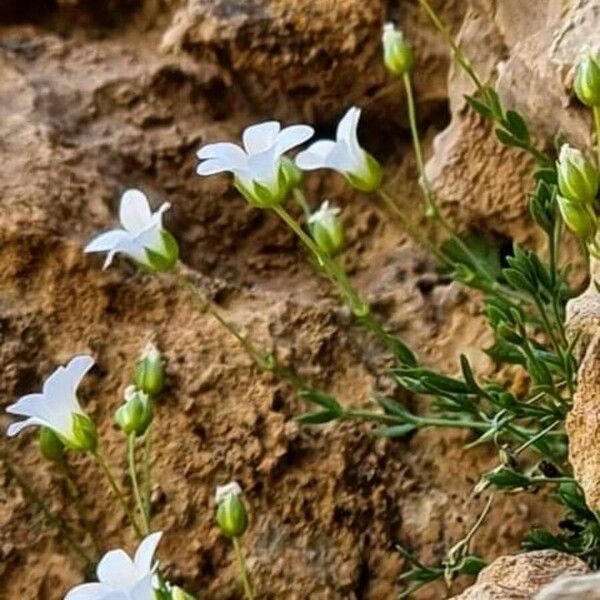
Known as the Lebanese Sandwort, this resilient little beauty hails from the rugged, limestone-rich peaks of the Levant. It belongs to the Caryophyllaceae family—the same family as carnations—and is a master of survival in harsh, high-altitude terrains. Often found clinging to mountain crevices, it creates a lush, green carpet that becomes scattered with tiny white stars during the blooming season.
🔍 How to Identify
- 🌸 Floral Stars: It produces delicate, five-petaled white flowers that sit atop thin, wiry stems, usually appearing in late spring or early summer.
- 🍃 Cushion Growth: The leaves are tiny, narrow, and grow in incredibly dense mats or "cushions," giving it a moss-like appearance even when it isn't flowering.
- 🏔️ Compact Stature: This plant is a true "ground-hugger," rarely exceeding 4 inches in height, which allows it to stay protected from biting mountain winds.
🏡 In Your Garden
- 🪨 Drainage is King: Because this plant evolved on rocky slopes, it hates "wet feet." In a garden setting, it requires extremely gritty, well-draining soil—think rock gardens or the gaps between paving stones rather than a standard flower bed.
- ☀️ Sun Seeker: It thrives in full sun but is surprisingly cold-hardy. Its dense growth habit helps it retain moisture in its center, making it a tough contender for alpine troughs where other plants might dry out too quickly.
⚠️ Safety & Toxicity
- ✅ Non-Toxic: Arenaria libanotica is generally considered non-toxic to humans and common household pets.
- 🐾 Mild Irritation: While it lacks dangerous toxins, its dense, needle-like foliage can sometimes cause very minor mouth irritation if a curious pet decides to chew on it excessively.
✨ Fun Fact
The genus name Arenaria is derived from the Latin word arena, meaning "sand." This is a direct reference to the sandy, rocky, and seemingly inhospitable environments where these plants thrive while others wither.

Detailed Care Instructions








