Plant Overview
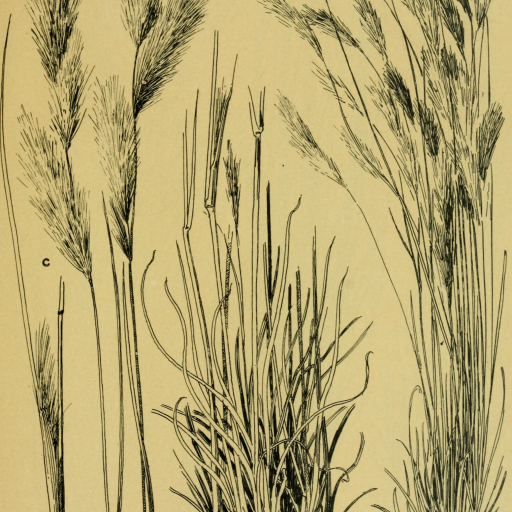
Often called the Tassel Three-awn, this resilient perennial grass is a master of survival in harsh, arid environments. Native to the vast savannas and rocky outcrops of Southern and Eastern Africa, it is frequently seen waving its silvery, feathery seed heads in the wind. While it is often considered a "pioneer" species that thrives where other plants struggle, it plays a vital role in preventing soil erosion in disturbed landscapes.
🔍 How to Identify
- 🌾 The "Three-awn" Seed: The most defining feature is the seed head; each grain has three distinct, hair-like bristles (awns) that spread out like a tiny pitchfork or bird’s foot.
- ☁️ Growth Habit: It grows in dense, upright tufts (tussocks), typically reaching heights of 30 to 75 centimeters.
- 🎨 Color Shift: The flowers and seeds start with a pale, shimmering silvery-white or lilac tint, eventually maturing into a dry, golden-straw color.
🏡 In Your Garden
- 🌱 Soil Indicator: If this grass appears naturally in your yard, it is often a "messenger" telling you the soil is compacted or nutrient-poor. It specializes in healing "tired" land where more delicate plants can't grow.
- ☀️ Xeriscaping Hero: Because it is incredibly drought-tolerant, it can be used in wilder parts of a garden to provide texture and movement with almost zero water or fertilizer requirements.
⚠️ Safety & Toxicity
- 🛡️ Physical Irritant: Aristida congesta is not chemically toxic to humans or pets, but it poses a "mechanical" risk.
- 🐕 Pet Hazard: The sharp, barbed awns on the seeds are designed to hook onto things. They can become painfully embedded in a dog's fur, ears, or between paw pads, and can even cause eye injuries if a pet runs through a tall patch.
✨ Fun Fact
- 🌀 The Self-Drilling Seed: The awns of this plant are hygroscopic, meaning they move in response to moisture. As humidity changes, the awns twist and untwist, literally "screwing" the seed into the ground to ensure it is buried at the perfect depth for germination.

Detailed Care Instructions
To grow Aristida congesta plants, follow these steps:
- Purchase seeds or young plants from a reputable nursery or online retailer.
- Choose a suitable location for planting. Aristida congesta prefers full sun and well-draining soil.
- Prepare the planting area by removing any weeds or grass. Loosen the soil with a garden fork or tiller to a depth of at least 6 inches.
- Sow the seeds or transplant the young plants according to the spacing recommendations provided on the seed packet or nursery label. Generally, seeds should be planted at a depth of about 1/8 inch.
- Water the planting area thoroughly after planting to ensure good seed-to-soil contact.
- Keep the soil evenly moist during the germination period, which typically takes 7-14 days. Water as needed to keep the soil from drying out.
- Once the plants are established, reduce the frequency of watering, allowing the soil to dry slightly between waterings. Aristida congesta is a drought-tolerant plant, so avoid overwatering.
- Fertilize sparingly with a balanced, slow-release fertilizer in spring. Follow the package instructions for application rates.
- Monitor the plants for pests or diseases and take appropriate action if necessary. Generally, Aristida congesta is relatively resistant to pests and diseases.
- In areas with cold winters, protect the plants by applying a layer of mulch around the base in late fall. This will help insulate the roots and prevent frost damage.
- Trim back any dead or damaged foliage in spring to encourage new growth.
- Enjoy the unique beauty of the Aristida congesta plant as it matures and thrives in your garden.
The plant should be watered regularly during its growing season, which is typically in the spring and summer months. It is important to avoid over-watering, as excessive moisture can lead to root rot. To determine when to water, check the moisture level of the soil by inserting a finger into the soil up to the second knuckle. If the soil feels dry at this depth, it is time to water. Water the plant deeply, allowing the water to penetrate to the root zone. Avoid getting water on the leaves or flowers, as this can lead to fungal diseases. During the plant's dormant season, which is typically in the fall and winter months, water should be reduced to once every two to three weeks.
To fertilize your plant, use a balanced, slow-release fertilizer with equal parts nitrogen, phosphorus, and potassium. Apply the fertilizer to the soil around the base of the plant, being careful not to get any on the leaves or stems. Water the plant thoroughly after fertilizing to help the nutrients penetrate the soil. Repeat this process every six months to ensure optimal growth and health of the plant.
A suitable soil for the Aristida Congesta plant should be well-draining and sandy in texture to mimic its natural habitat. A mix of sandy loam soil with some organic matter such as compost or peat moss can help provide the plant with essential nutrients while maintaining proper drainage. Adding some perlite or gravel to the soil mixture can also further improve drainage and prevent waterlogged conditions, which may harm the plant. It is important to avoid heavy or clayey soils as they can lead to root rot and other issues for the plant. Overall, a well-draining sandy soil mix with some organic matter is ideal for the successful growth of the Aristida Congesta plant.
To propagate this plant, you need to collect the seeds from the matured plant. Harvest the seeds carefully and store them in a paper bag to dry for a few days. Once the seeds are completely dry, sow them in well-draining soil in a container or seed tray. Keep the soil moist and place it in a warm, bright location. The plant will germinate in a few weeks, and you can keep it in a greenhouse or indoors until it's mature enough to transplant into the garden. When transplanting, make sure to choose a sunny location with sandy, well-draining soil. Water sparingly, as the plant is drought-resistant and prefers dry conditions.








