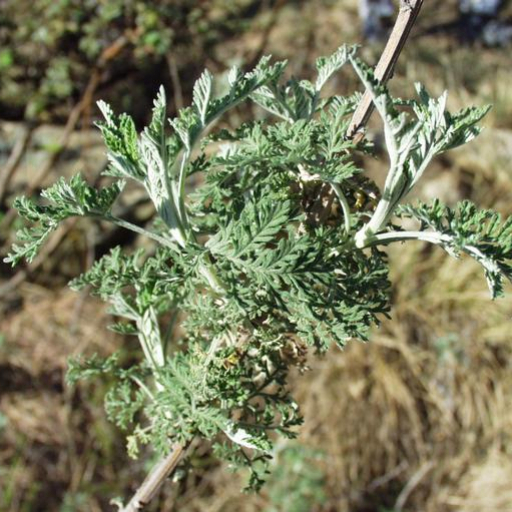
Plant Overview
Often called "African Wormwood" or "Wilde-als," this silver-shimmering shrub is a cornerstone of traditional medicine across Southern and Eastern Africa. It is a hardy, aromatic survivor that fills the air with a sharp, medicinal fragrance—reminiscent of camphor and sage—whenever you brush past its soft leaves. For centuries, it has been cherished not just for its beauty, but as a legendary "cure-all" for winter ailments.
🔍 How to Identify
- 🌿 Silvery Foliage: The leaves are finely divided and feathery, covered in tiny silver-grey hairs that give the entire plant a soft, dusty appearance.
- 🌼 Dainty Blooms: In late summer, it produces inconspicuous, nodding flower heads that are pale yellow and clustered at the ends of the branches.
- 👃 The Scent Test: If you crush a leaf, it releases an unmistakable, pungent medicinal aroma that is much stronger than most common garden herbs.
🏡 In Your Garden
- ☀️ The Sun-Seeker: This plant is a true child of the sun. It thrives in bright, open spaces and is incredibly drought-tolerant. It actually prefers "tough love"—overwatering or soil that is too rich can cause the plant to lose its compact shape and silvery sheen.
- ✂️ Hard Pruning: African Wormwood has a woody base that can become "leggy" or messy over time. To keep it looking like a lush, silver cloud, cut it back heavily at the end of winter to encourage fresh, vigorous new growth.
- 🐜 Natural Guardian: Because of its intense essential oils, it acts as a brilliant natural pest repellent. Planting it near your vegetable patch can help deter aphids and whiteflies from more sensitive neighbors.
⚠️ Safety & Toxicity
- 💊 Use with Caution: While famous for its medicinal uses (like tea for coughs), it contains thujone—the same compound found in Absinthe. In high doses or prolonged use, it can be toxic to the nervous system.
- 🤰 Strict Warnings: It should be strictly avoided by pregnant or breastfeeding women, as it can stimulate the uterus.
- 🐾 Pet Safety: Most pets find the bitter taste and strong smell repulsive and will leave it alone, but large ingestions can cause digestive upset or lethargy in dogs and cats.
✨ Fun Fact
During the 1918 Spanish Flu pandemic, African Wormwood was in such high demand for its perceived healing powers that it was famously traded and sold in markets across South Africa like a precious commodity.

Detailed Care Instructions
| Humidity | Normal |
| Lighting | Full Sun |
| Toxicity | Poisonous |
| Difficulty | Easy |
| Temperature | 20°C - 30°C |
| Hardiness Zones | 4 - 9 |
To grow Artemisia afra, also known as African wormwood or Lengana, follow these steps:
- Choose a suitable location: Artemisia afra prefers full sun or partial shade. Ensure the planting area has well-draining soil.
- Prepare the soil: Loosen the soil and remove any weeds or rocks. Add compost or organic matter to improve fertility and drainage.
- Obtaining the plants: You can either start Artemisia afra from seeds or purchase young plants from a nursery.
- Sowing seeds: Sow the small seeds directly in the prepared soil, covering them lightly with a thin layer of soil or vermiculite. Water gently and keep the soil moist until seedlings emerge.
- Transplanting seedlings: If starting from seedlings, dig a hole in the planting area and carefully place the seedling, ensuring the top of the root ball is level with the ground. Fill the hole with soil, gently pressing it down. Water thoroughly after planting.
- Watering: Artemisia afra is drought-tolerant and can survive with minimal water once established. Water regularly until the plant is established, then gradually reduce watering.
- Mulching: Apply a layer of organic mulch around the plants to help retain moisture and suppress weed growth. Mulching will also contribute organic matter to the soil as it decomposes.
- Pruning: Prune Artemisia afra regularly to maintain its shape and promote bushier growth. Pruning in early spring or after flowering is recommended.
- Pests and diseases: Artemisia afra is generally resistant to pests and diseases. However, keep an eye out for aphids, mites, or mealybugs. Treat with an appropriate organic insecticide if needed.
- Harvesting: The leaves of Artemisia afra can be harvested throughout the growing season. Cut the stems close to the base, leaving some leaves to encourage regrowth.
Remember to check your local regulations regarding the cultivation and use of Artemisia afra, as it may be restricted in some areas due to its potential medicinal properties.

Place in a bright room that is sun drenched almost all day. Or directly in a south-facing window.

To water this particular plant, you should use a watering can or a hose with a gentle spray nozzle to avoid damaging the leaves or disturbing the soil. It is recommended to water deeply once a week during the growing season, allowing the soil to dry out slightly between waterings. However, it is important to monitor the plant's soil moisture levels and adjust the watering schedule accordingly based on the plant's needs and environmental conditions. During the winter months, the plant should be watered less frequently, usually only when the soil is dry to the touch. Over-watering can lead to root rot, so it is important to ensure proper drainage and avoid letting the plant sit in standing water.
To fertilize this plant, apply a slow-release fertilizer every four to six weeks during the growing season. Use a balanced fertilizer with equal amounts of nitrogen, phosphorus, and potassium. Apply the fertilizer around the base of the plant, but avoid getting it on the leaves or stems. Water the plant thoroughly after fertilizing to help the nutrients absorb into the soil.
Artemisia Afra requires a well-draining soil mix to thrive. A suitable soil mix for this plant should be a combination of peat moss, perlite, and sand. It is important to ensure that the soil mix is light, airy and does not retain too much water. This allows for proper root formation and prevents waterlogging. The pH level of the soil should be between 6.0-7.0, which is slightly acidic to neutral. Additionally, it is important to avoid using heavy, clay soils for Artemisia Afra as this can cause root rot. Regularly amending the soil with organic matter and providing proper drainage can help ensure the optimal growth of this plant.
Artemisia Afra plant can be propagated through seeds or cuttings. To propagate through seeds, collect the seeds from the plant after the flowers have withered and the seeds have ripened. Sow the seeds in well-draining soil, cover them with a thin layer of soil and water them regularly until they germinate.
To propagate through cuttings, take stem cuttings around 10-15 cm long from a mature plant. Remove the leaves from the lower half of the stem and dip the cut end in rooting hormone. Plant the cutting in a well-draining soil mix and water it regularly. Keep the cutting in a warm and humid environment until it has established roots.
It is also possible to propagate Artemisia Afra plant through division. Divide the plant during the spring or fall, making sure each division has a healthy root system and at least one stem. Plant the divisions in well-draining soil and water them regularly until they establish themselves.








