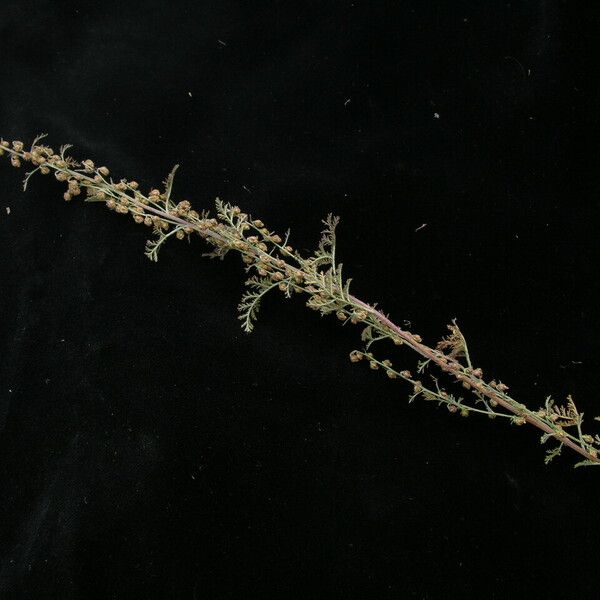
Plant Overview
Meet the rugged survivalist of the Central Asian steppes: Gmelin’s Wormwood. Often called the "Siberian Sagebrush," this aromatic subshrub is a master of endurance, thriving in the harsh, rocky terrains of Mongolia, China, and Russia. With its silvery, lace-like foliage and a scent that balances somewhere between sharp camphor and sweet sage, it has been a staple in traditional folk medicine for centuries.
🔍 How to Identify
- 🌿 Filigree Foliage: The leaves are its most striking feature—deeply divided and "bipinnatisect," creating a delicate, fern-like appearance that looks soft to the touch.
- 🪵 Woody Foundation: Unlike many herbaceous perennials, the base of this plant becomes woody and gnarled over time, giving it the structure of a miniature, rugged shrub.
- 🌼 Subtle Blooms: In late summer, it produces tall, slender stalks topped with tiny, nodding flower heads that are yellowish-green and shaped like miniature buttons.
🏡 In Your Garden
- ☀️ The Sun Seeker: This plant is the ultimate "set it and forget it" choice for rock gardens or xeriscaping. It has evolved to survive intense UV rays and requires full, unshielded sun to keep its silvery hue vibrant.
- 🏜️ Drainage is Non-Negotiable: Because it originates from dry, gravelly slopes, it will quickly succumb to root rot if left in heavy, wet clay. It actually prefers "poor" soil over rich, compost-heavy dirt, which can make it grow too fast and flop over.
⚠️ Safety & Toxicity
- 🐾 Mildly Toxic: Like many members of the Artemisia genus, Gmelin's Wormwood contains thujone and various essential oils. While not typically lethal, it can cause digestive upset if ingested by curious pets or small children.
- 🖐️ Skin Sensitivity: The volatile oils that give the plant its wonderful scent can occasionally cause "phytophototoxicity" or mild dermatitis in sensitive individuals. It’s a good idea to wear gloves if you are pruning it on a hot, sunny day.
✨ Fun Fact
In traditional Mongolian medicine, Artemisia gmelinii is known as "Khaliar" and has been used for generations to treat everything from skin inflammation to liver ailments. Modern science is actually looking into its extracts for their potent antioxidant and anti-inflammatory properties!

Detailed Care Instructions
To grow Artemisia Gmelinii (Gmelin's Mugwort), you can follow these steps:
- Choose a suitable location: Artemisia Gmelinii prefers well-draining soil and full sunlight. Make sure the area gets at least 6 hours of direct sunlight daily.
- Prepare the soil: The soil should be well-draining and slightly alkaline. If needed, amend the soil by adding compost or well-rotted manure to improve its fertility and drainage.
- Sow the seeds: Artemisia Gmelinii can be grown from seeds. Sow the seeds directly into the soil in early spring when the last frost has passed. Scatter the seeds evenly and lightly press them into the soil, then gently water.
- Watering: Keep the soil consistently moist, but not waterlogged. Avoid over-watering, as it may lead to root rot. Water deeply once or twice per week, depending on the weather conditions and the moisture needs of the plant.
- Mulching: Apply a layer of mulch around the base of the plant to help retain soil moisture and prevent weed growth.
- Pruning: Artemisia Gmelinii benefits from regular pruning to promote bushy growth. Pinch back the growing tips of the young plants to encourage branching and a fuller appearance.
- Fertilization: Artemisia Gmelinii generally doesn't require much fertilization. If desired, you can apply a balanced, slow-release fertilizer in spring to provide essential nutrients.
- Weed control: Remove any weeds that may compete with the plant for nutrients and space.
- Pests and diseases: Artemisia Gmelinii is relatively resistant to most pests and diseases. However, keep an eye out for common issues like aphids or powdery mildew. Treat any problems promptly, using organic or chemical controls as necessary.
- Harvesting: You can harvest leaves as needed once the plant is established. Cut back about one-third of the plant at a time, leaving enough foliage for the plant to continue growing.
Remember that Artemisia Gmelinii is a hardy perennial plant, and it may take a couple of years to establish fully. Patience and consistent care will ensure successful growth.

Place in a bright room that is sun drenched almost all day. Or directly in a south-facing window.

Artemisia Gmelinii is a plant that is native to certain regions and requires proper watering to grow and thrive. When watering this plant, it is important to consider its specific needs to avoid over or under watering.
Here are some tips for watering Artemisia Gmelinii:
1. Check the soil moisture: Before watering the plant, check the soil moisture by inserting a finger into the soil. If the soil is completely dry up to an inch deep, it's time to water the plant.
2. Water frequency: Artemisia Gmelinii prefers to stay slightly dry, so it is recommended to water it only when the upper inch of soil is dry. Depending on the location, season, and other factors, watering the plant every 5 to 10 days might be sufficient.
3. Watering method: When watering, ensure that the water gets to the root system of the plant. The best practice is to use a watering can with a sprinkler nozzle or a spray bottle. Avoid using a watering can or hose inserting directly into the soil, as that could cause soil erosion or the plant to become too wet.
4. Water quality: Artemisia Gmelinii prefers clean, fresh water, and does not tolerate hard water well. Rainwater or distilled water is the best option, but if tap water must be used, let it sit for an hour or so to allow chlorine and other chemicals to evaporate before applying it to the plant.
5. Watering schedule: It's essential to have a regular watering schedule and not confuse it with overwatering. During the hot season, the plant might require more frequent watering than in the cooler one.
By following these watering guidelines, you can ensure that your Artemisia Gmelinii is healthy and happy and provides a beautiful decoration for your garden.
To fertilize this plant, use a balanced fertilizer with equal amounts of nitrogen, phosphorus, and potassium. Apply the fertilizer in the spring, right before new growth starts. Make sure not to over-fertilize, as this can damage the plant. Water the plant thoroughly after fertilizing.
Artemisia Gmelinii is a plant that thrives in well-drained soil with good air circulation. It prefers soil that is slightly alkaline and low in fertility. A sandy loam is suitable for this plant, and it should have good organic matter content. You can make soil mixtures with garden soil or loam and add perlite or sand to improve drainage. The soil pH should be between 6.5 and 7.5. It is best to avoid heavy clay soils that have poor drainage for this plant. Adding compost to the soil can also help to improve the nutrient content of the soil and support the growth of Artemisia Gmelinii.
To propagate this plant, collect seeds from mature flowers and sow them in well-draining soil. Cover the seeds with a thin layer of soil and keep them moist until germination occurs. Another method of propagation is to take stem cuttings from an established plant and plant them in moist soil. Keep the soil moist and provide indirect sunlight until the cuttings root and begin to grow.








