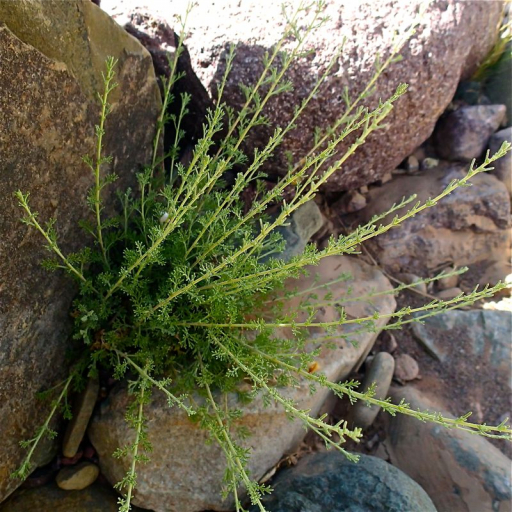
Plant Overview
Known as the "White Wormwood" or "Desert Sagebrush," this silver-hued shrub is a resilient survivor of the arid Mediterranean and North African landscapes. For centuries, it has been a staple in traditional herbalism, prized for its intense aroma and bitter properties. In its native lands, it is more than just a plant; it is a symbol of the rugged beauty and medicinal mystery found in the world’s harshest environments.
🔍 How to Identify
- 🌿 Silver Foliage: The leaves are small, deeply lobed, and covered in a fine, silky down of white hairs that give the plant a ghostly, shimmering appearance.
- 👃 Medicinal Aroma: When the leaves are crushed, they release a powerful, pungent scent that is a mix of sage, camphor, and mint.
- 🌼 Tiny Flowers: In late summer or autumn, it produces very small, yellowish flower heads that are inconspicuous and lack showy petals, arranged in nodding clusters.
🏡 In Your Garden
- 🏜️ The Drainage King: This plant is a specialist in "dry feet." It has evolved to thrive in poor, rocky, or sandy soils where other plants would wither. If you plant it in heavy clay or overwater it, the roots will quickly succumb to rot.
- ☀️ Sun Worshipper: It requires full, unadulterated sunlight to maintain its silvery color. In the shade, the plant often loses its compact shape and becomes "leggy" as it stretches for light.
- ✂️ Pruning Nuance: To keep it looking like a neat, silver cloud rather than a bundle of dry sticks, it benefits from a light trim in early spring. However, avoid cutting back into the old, hard wood, as it may struggle to regrow from the base.
⚠️ Safety & Toxicity
- 🚫 Status: Potentially toxic if ingested in large quantities.
- 🐾 Details: Like many members of the Artemisia family, this plant contains thujone. While used in traditional teas (like the Maghrebi "Sheba" tea), high doses can be neurotoxic. It should be kept away from curious pets and should not be consumed by pregnant women.
✨ Fun Fact
The genus name Artemisia is derived from Artemis, the Greek goddess of the hunt and the moon. Historically, this specific species was so common in the Middle East that it is believed to be the "wormwood" frequently mentioned in the Bible to symbolize bitterness and hardship.

Detailed Care Instructions
To grow Artemisia Herba-alba, also known as white wormwood, you can follow these steps:
- Choose a sunny location: Artemisia Herba-alba thrives in full sunlight, so select a spot in your garden or yard that receives at least 6 hours of direct sunlight per day.
- Prepare the soil: The plant prefers well-draining soil with a slightly alkaline pH. If the soil in your chosen location is heavy or clayey, mix in some sand or organic matter to improve drainage.
- Sow the seeds: In colder climates, start the seeds indoors about 6-8 weeks before the last frost date. In warmer climates, seeds can be directly sown outdoors after the last frost. Scatter the seeds on the prepared soil surface and lightly cover them with a thin layer of soil. Space the seeds about 8-10 inches apart.
- Watering: Keep the soil consistently moist during the germination period, which usually takes about 2-4 weeks. Once the plants are established, they are drought-tolerant and only require occasional watering when the soil feels dry.
- Thin out the seedlings: If the seedlings are too close together, thin them out to allow each plant enough space to grow and receive adequate sunlight.
- Weed control: Remove any weeds that may compete with the Artemisia Herba-alba for nutrients and space.
- Pruning: Trim the plant in early spring to encourage bushier growth and maintain its shape. Additionally, you can pinch back the tips periodically during the growing season to prevent legginess.
- Mulching: Apply a layer of mulch around the plants to help retain moisture and reduce weed growth.
- Fertilizing: Artemisia Herba-alba generally does not require a lot of fertilizer. However, you can apply a balanced liquid fertilizer once a month during the growing season to promote healthy growth.
- Pests and diseases: This plant is relatively resistant to pests and diseases. However, keep an eye out for any signs of aphids, spider mites, or powdery mildew. If necessary, treat with organic insecticides or fungicides.
By following these steps, you should be able to successfully grow Artemisia Herba-alba.
Artemisia Herba-alba plant requires regular watering to maintain its health and growth. However, it is important to strike a balance between giving enough water and avoiding overwatering, which can cause root rot and other problems.
The ideal watering schedule for Artemisia Herba-alba plant depends on various factors such as soil type, temperature, humidity, and sunlight. As a general rule, the plant should be watered deeply but infrequently, allowing the topsoil to dry out between waterings.
To determine if the plant needs watering, touch the soil with your finger or a moisture meter. If the top 1-2 inches of soil feels dry, it's time to water. During hot summer months, the plant may need more frequent watering.
When watering Artemisia Herba-alba plant, always use room temperature water to avoid shocking the roots. Water the soil around the plant, not the leaves or flowers. You can use a watering can or a hose with a gentle spray.
During winter, when the plant goes dormant, reduce watering to once every 2-3 weeks or when the soil feels dry. Overwatering during this period can cause the roots to rot.
In summary, water Artemisia Herba-alba plant deeply but infrequently, allowing the soil to dry out between waterings. Use room temperature water and avoid overwatering during dormant periods.
To fertilize the Artemisia Herba-alba plant, follow these instructions:
- Choose a balanced, slow-release fertilizer for the best results. Look for a product with an equal NPK (nitrogen, phosphorus, potassium) ratio or a slightly higher nitrogen content.
- Apply the fertilizer during the growing season, which is typically in spring or early summer. Avoid fertilizing during the plant's dormant period.
- Dilute the fertilizer according to the instructions provided on the package. Aim for a weak concentration to prevent over-fertilization, as Artemisia Herba-alba plants prefer nutrient-poor soil.
- Water the plant thoroughly before applying the fertilizer. This ensures the nutrients are evenly distributed in the soil.
- Use a watering can or sprayer to apply the diluted fertilizer around the base of the plant. Avoid pouring the fertilizer directly onto the leaves as it may cause damage.
- After fertilizing, water the plant again lightly to help the nutrients penetrate the soil. Ensure the water doesn't pool around the plant to prevent root rot.
- Monitor the plant's response to the fertilizer. If the leaves start to yellow or the plant shows signs of stress, reduce the fertilizer application or dilution rate.
Remember that over-fertilizing can harm the Artemisia Herba-alba plant, so it's important to follow the recommended instructions and monitor the plant's health regularly.
Artemisia Herba-alba plant prefers to grow in well-draining soil with a pH range of 6.0 to 8.0. The soil should be rich in nutrients and organic matter. It should also be able to retain moisture as this plant prefers moist soil but not waterlogged soil. Adding compost or organic matter can help improve the soil quality. It is recommended to use sandy loam soil for this plant as it is a drought-resistant plant and can thrive in poor soil conditions. The soil should be tested before planting to ensure that the pH and nutrient levels are suitable for growing Artemisia Herba-alba plant.
Artemisia Herba-alba is a perennial desert plant native to North Africa and the Mediterranean region. It belongs to the Asteraceae family and is commonly found in arid and semi-arid environments.
To propagate Artemisia Herba-alba, you can follow these steps:
- Selecting the Parent Plant: Choose a healthy and mature Artemisia Herba-alba plant for propagation. Look for a plant that is at least two years old and has strong, well-developed stems and leaves.
- Soil Preparation: Prepare a well-draining soil mixture for the new plants. Artemisia Herba-alba prefers sandy or loamy soil. Ensure the soil is rich in nutrients and has good drainage to prevent waterlogging.
- Stem Cuttings: Select healthy, non-flowering branches from the parent plant for propagation. Ideally, choose stems that are approximately 4-6 inches long. Make a clean cut just below a node using a sharp and sterilized pair of pruning shears or scissors.
- Preparing the Cuttings: Remove the lower leaves from the stem, leaving only a few upper leaves intact. This will help reduce moisture loss and promote the growth of roots. If there are any flowers or buds, remove them to redirect the plant's energy towards root development.
- Hormone Treatment (optional): To enhance the rooting process, you may choose to dip the cut end of the stem in a rooting hormone powder or gel. This step can increase the chances of successful propagation, but it is not necessary for all plant species.
- Planting the Cuttings: Make small holes in the prepared soil mixture and gently place the cuttings inside, making sure that at least one node is buried underground. Press the soil around the base of the stem to secure it in place. Space the cuttings apart to allow air circulation and prevent disease spread.
- Watering: After planting, water the cuttings thoroughly but avoid oversaturation. Keep the soil moist, but not waterlogged, to support root establishment. Check the moisture level regularly to prevent drying out or overwatering.
- Providing Optimal Conditions: Place the newly planted cuttings in a warm and well-lit area, preferably with indirect sunlight. Avoid direct sunlight, especially during the hottest part of the day, as it may scorch the delicate new growth. Maintain a temperature range of 70-80°F (21-27°C) to promote growth.
- Monitoring and Care: Regularly monitor the cuttings for signs of growth, such as the emergence of new leaves or increased stem thickness. Mist the leaves with water occasionally to maintain humidity around the cuttings. Remove any dying or yellowing leaves to prevent the spread of diseases.
- Transplanting: Once the cuttings have established roots and developed several sets of new leaves, they can be transplanted into individual pots or a suitable outdoor location. Gradually acclimate the plants to outdoor conditions by exposing them to increasing amounts of direct sunlight over a week or two.
Remember, successful propagation can vary depending on various factors such as environmental conditions, regional climate, and individual plant characteristics. Patience and care are key when propagating any plant species, including Artemisia Herba-alba.








