Plant Overview
Known as the "Indian Mugwort" or "Yomogi," this aromatic perennial is a staple of East Asian landscapes and traditional kitchens. It is a plant of quiet resilience, often seen colonizing roadsides or thriving in neglected garden corners, carrying a scent that is both medicinal and refreshing. Historically, it has been used for everything from flavoring sweets to ancient healing rituals.
🔍 How to Identify
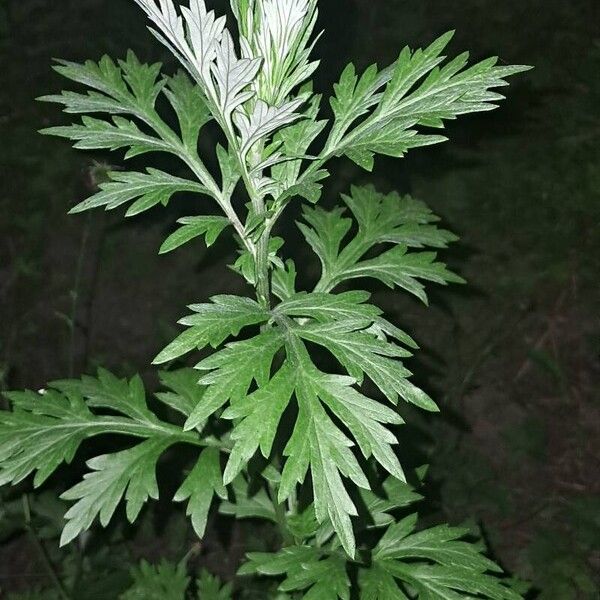
- 🍃 Lobed Foliage: The leaves are deeply divided and lance-shaped, giving the plant a feathery, textured appearance that looks similar to common Mugwort but often more delicate.
- 🌫️ Silver Under-leaf: A key giveaway is the dense, white "felt" or woolly hairs on the underside of the leaves, which creates a striking contrast with the dark green top surface.
- 🌾 Inconspicuous Blooms: In late summer, it produces tiny, brownish-yellow flower heads arranged in long, nodding clusters that are wind-pollinated rather than showy.
🏡 In Your Garden
- 🌞 Sun Seeker: This plant is incredibly hardy and thrives in full sun. It can tolerate poor, sandy, or rocky soils, making it an excellent choice for difficult slopes or "wild" garden areas.
- 🏃 Spreading Habit: Be cautious about where you plant it; Artemisia indica spreads via vigorous underground rhizomes. Without a pot or a root barrier, it can quickly become an enthusiastic "space invader" in a managed flower bed.
- 🛡️ Natural Protector: The strong essential oils in the leaves act as a natural deterrent for many garden pests, though its late-season flowers still provide a food source for specialized insects.
⚠️ Safety & Toxicity
- 🐾 Pet Sensitivity: While not listed as highly toxic, it contains thujone, which can be harmful to cats, dogs, and horses if ingested in large quantities.
- 🤧 Allergy Alert: Because it belongs to the Aster family, its airborne pollen is a common culprit for hay fever (allergic rhinitis) during the late summer and autumn months.
- 🧤 Skin Contact: Some gardeners may experience mild skin irritation or "contact dermatitis" when pruning the plant without gloves.
✨ Fun Fact
In Japan, the young leaves are harvested in spring, boiled, and kneaded into rice dough to create "Kusa-mochi" (Grass Mochi). This vibrant green treat is a seasonal favorite, celebrated for its earthy, herbal flavor and its historical reputation for warding off bad luck.

Detailed Care Instructions

Place in a bright room that is sun drenched almost all day. Or directly in a south-facing window.

Some plants require more regular watering than others, which should be done every few days. It's critical to maintain the soil moist all of the time. The water requirements of the same plant placed in pots with varying sizes will differ. Because the water in the smaller pot evaporates faster than the water in the larger pot, it will require more watering. Regardless of pot size, the surface should constantly be maintained moist.







