Plant Overview
Known as the "Scent of the Desert," Artemisia sieberi is a rugged perennial shrub that thrives where most plants wither. Native to the arid regions of the Middle East and Central Asia, it is legendary for its intense, aromatic fragrance that can fill the air after a rare desert rain. Often called Desert Wormwood, it has been a staple in traditional nomadic medicine for centuries, prized for its bitter but powerful properties.
🔍 How to Identify
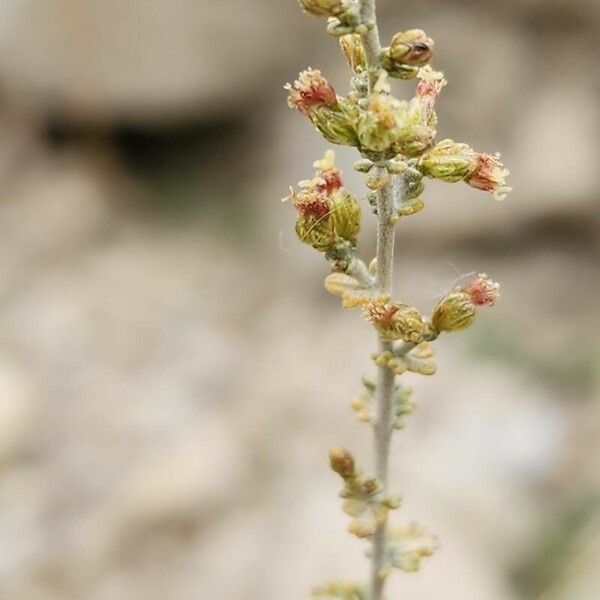
- 🌿 Silvery Foliage: The leaves are small, deeply lobed, and covered in fine, silky white hairs that give the entire plant a shimmering, dusty gray-green appearance.
- 🌼 Inconspicuous Blooms: During late summer, it produces tiny, yellowish or brownish flower heads. These lack showy petals, as the plant relies on wind and specialized pollinators rather than visual attraction.
- 👃 Pungent Scent: One of the most telling signs is its powerful, medicinal aroma—a sharp mix of sage, camphor, and pine that releases instantly when the leaves are crushed.
🏡 In Your Garden
- 🏜️ The Ultimate Survivor: This plant is a specialist in surviving extreme heat and UV exposure. In a garden setting, it is perfect for xeriscaping or rock gardens where other plants might scorch.
- 🚫 Drainage is Vital: Because it evolved in rocky, sandy steppes, it cannot tolerate "wet feet." It hates transplanting once established due to its deep-reaching root system, so choose its permanent home carefully.
⚠️ Safety & Toxicity
- 🐾 Caution Recommended: Like many members of the Wormwood family, this plant contains thujone. While it has historical medicinal uses, it can be toxic to pets and humans if ingested in significant quantities.
- 🧤 Skin Sensitivity: The volatile oils that give the plant its scent can cause mild skin irritation or "contact dermatitis" in sensitive individuals. It is best to wear gloves when pruning or handling the foliage.
✨ Fun Fact
In many desert cultures, Artemisia sieberi is known as a "pharmacy in a bush." Bedouin travelers historically used the fragrant branches not just for tea, but also tucked them into bedding to keep fleas and lice away during long journeys across the sands.

Detailed Care Instructions







