Plant Overview
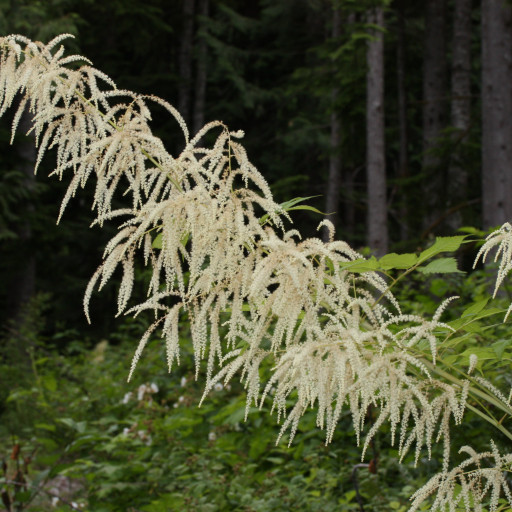
Often called "Goat's Beard" or "Bride's Feathers," this majestic perennial is the gentle giant of the woodland garden. While it looks like a common Astilbe that has been hit with a magic growth spell, Aruncus dioicus is a distinct, long-lived species native to the moist forests of Europe, Asia, and North America. It brings a sense of wild, ethereal elegance to shady corners, producing massive, feathery plumes that glow like moonlight under the forest canopy.
🔍 How to Identify
- 🌿 Fern-like Foliage: The leaves are large, compound, and deeply divided, resembling oversized fern fronds or giant Astilbe leaves. They stay a vibrant, crisp green throughout the summer.
- ☁️ Plume-like Flowers: In early to mid-summer, the plant erupts with branching, airy spikes of tiny, creamy-white flowers that look like frothy sea foam or a goat’s shaggy beard.
- 📏 Stately Stature: This is a substantial plant, often reaching 4 to 6 feet in height and width, creating a shrub-like presence despite being a herbaceous perennial.
🏡 In Your Garden
- 💧 Moisture is Key: Because its natural home is near stream banks and damp ravines, it is a thirsty plant. It thrives in "heavy" soil that stays consistently moist; if the soil dries out, the leaf margins will quickly turn brown and crispy.
- 🧘 Commit to the Spot: This plant develops a deep, woody taproot over time. It famously "hates moving house," so choose its location carefully. Once established, it is incredibly long-lived and can remain in the same spot for decades without needing division.
- 🌳 The Shade Solution: While it can handle some sun in cool, northern climates, it is one of the few large-scale plants that looks spectacular in deep or dappled shade, making it perfect for the north side of a house or under large deciduous trees.
⚠️ Safety & Toxicity
- ✅ Generally Safe: Aruncus dioicus is not considered highly toxic and is generally safe for gardens frequented by children and pets.
- 🥣 Not for Eating: While not a "poisonous" plant in the traditional sense, the seeds contain small amounts of cyanogenic glycosides. It is strictly ornamental and should not be consumed by humans or animals.
- 🐾 Wildlife Friendly: It is a fantastic host plant for the Dusky Azure butterfly, providing a safe space for their larvae to feed.
✨ Fun Fact
The species name dioicus (meaning "two houses") refers to the fact that male and female flowers grow on separate plants. If you want the showiest garden display, look for a male plant—their flower plumes are much fuller and more upright than the slightly drooping, seed-heavy female plumes!

Detailed Care Instructions
| Color | Creamy-White |
| Soil Ph | From Slightly Acidic To Neutral To Slightly Alkaline |
| Humidity | Dry |
| Invasive | Weed |
| Lighting | Full Sun |
| Soil Type | Moist, Rich |
| Bloom Time | Early Summer |
| Difficulty | Medium |
| Plant Type | Herbaceous Perennial |
| Mature Size | 4 To 6 Feet Tall And 2 To 4 Feet Wide |
| Native Area | Asia, Europe, North America |
| Temperature | 13°C - 15°C |
| Sun Exposure | Full Sun To Partial Shade |
| Hardiness Zones | 4-7 |
To grow Aruncus dioicus (also known as goat's beard), follow these steps:
- Choose a suitable location: Aruncus dioicus prefers moist, well-draining soil that is rich in organic matter. It can tolerate partial shade but prefers full sun to partial shade. Ensure the area has enough space for the plant to reach its mature size, as it can grow up to 6 feet tall and 4 feet wide.
- Prepare the soil: Before planting, amend the soil with organic matter such as compost or well-rotted manure. This will improve the soil's fertility and drainage. Remove any weeds or grass from the planting area.
- Planting: Dig a hole that is slightly larger and deeper than the plant's root ball. Gently loosen the roots and place the plant in the hole, backfilling with soil and firming it down around the plant. Ensure the plant is planted at the same depth it was growing in its container or the nursery.
- Watering: Water the newly planted Aruncus dioicus thoroughly and regularly. Keep the soil consistently moist but not waterlogged. Aim for about 1 inch of water per week, either through rainfall or supplemental watering.
- Mulching: Apply a layer of organic mulch, such as wood chips or shredded bark, around the base of the plant. Mulching helps retain moisture, suppress weeds, and regulate soil temperature.
- Care and maintenance: Aruncus dioicus requires minimal maintenance. Keep the soil consistently moist, especially during dry spells. Water deeply and avoid shallow or frequent watering, as this can lead to shallow root growth. Apply a balanced fertilizer in early spring to promote healthy growth.
- Pruning: In late fall or early spring, cut back dead or damaged foliage to the ground. This will help rejuvenate the plant and improve its appearance.
- Dividing: Aruncus dioicus can be divided every few years, usually in early spring or fall. Dig up the clump and separate it into smaller sections, replanting them in new locations or sharing them with other gardeners.
By following these steps and providing appropriate care, your Aruncus dioicus plant should thrive and grow well.

Place in a window with dappled sun or a spot in the middle of a room. Or directly in a window facing west or east.

Aruncus dioicus is a plant that requires a consistent water supply to grow properly. It is important to not overwater this plant, as this can cause root rot and other issues. However, it also cannot tolerate drought and will wilt if not given enough water.
To properly water Aruncus dioicus, you should first check the soil moisture level by inserting your finger about an inch into the soil. If it is dry, it is time to water the plant.
When watering, use a gentle, steady stream of water to avoid washing away soil. Water the base of the plant until water begins to come out of the drainage holes in the pot. Then, allow the plant to drain for a few minutes before returning it to its tray or saucer.
Aruncus dioicus prefers slightly acidic soil, so it may benefit from occasional watering with a diluted solution of acid fertilizer. However, ensure that the soil is not too alkaline or too acidic, as this can damage the plant.
Overall, consistent watering and monitoring of soil moisture levels is key to keeping Aruncus dioicus healthy and thriving.
To fertilize this plant, use a slow-release organic fertilizer in early spring, before new growth appears. Apply the fertilizer according to the manufacturer's instructions, being careful not to over-fertilize. Water the plant thoroughly after applying the fertilizer. Repeat the fertilizer application once or twice during the growing season, depending on the plant's health and growth rate. Avoid fertilizing in late summer or fall to avoid forcing new growth that may not have time to harden off before winter.
Aruncus Dioicus is a perennial plant that requires well-draining soil and prefers slightly acidic soils with pH ranging from 5.0 to 6.5. It thrives in fertile soil that is rich in organic matter and nutrients. The ideal soil composition for this plant includes a mix of loam, sand, and clay in equal proportions. The soil should be moist, but not waterlogged, and should be able to retain moisture without becoming too wet. It is important to avoid using heavy clay soils that are prone to waterlogging as they can cause root rot and other diseases. Regular soil amendments with compost or leaf mold can improve soil fertility and structure, which will benefit the growth and flowering of Aruncus Dioicus. Overall, choosing the right soil is essential for the health and vitality of this perennial plant.
Aruncus Dioicus is a perennial plant that can be propagated through seed or vegetative propagation methods. To propagate through seed, collect the seed heads after the plant has finished flowering. Allow the seed heads to dry out and then remove the seeds. Sow the seeds in a seed tray or individual pots filled with well-draining soil. Keep the soil damp and place the tray/pots in a warm, bright location. It can take several weeks for the seeds to germinate.
To propagate through vegetative methods, take cuttings from the plant in the spring or early summer. Make sure the cutting is at least 4 inches long and has 2-3 sets of leaves. Remove the lower leaves and dip the cut end in rooting hormone. Plant the cutting in well-draining soil and keep the soil damp. Cover the cutting with a plastic bag or dome to maintain humidity. Place the cutting in a brightly lit location but out of direct sunlight. It can take several weeks for the cutting to root and begin to grow.
Once the new plants have established roots and are growing well, they can be transplanted into the garden in a suitable location with well-draining soil and partial to full shade. Aruncus Dioicus prefers moist soil and can tolerate some drought, but it may not flower as well if the soil is too dry. With proper care, these plants can grow and thrive with minimal maintenance.
Common pests of the goat's-beard include Spider mites, aphids. Make a habit of checking your goat's-beard frequently for pests so that any infestations can be caught and managed early.








