Plant Overview
Known as the Switchcane or Small Cane, Arundinaria tecta is one of the few bamboo species truly native to North America. Unlike the towering timber bamboos of Asia, this hardy grass creates lush, swaying "canebrakes" along the riverbanks and wetlands of the Southeastern United States. Historically, these dense thickets were so vast they were considered landmarks, providing both a sanctuary for wildlife and essential materials for Indigenous basket-weaving traditions.
🔍 How to Identify
- 🎋 The Stems (Culms): Look for slender, woody, and hollow stems that rarely exceed 12 feet in height. They are typically a soft green when young, turning a papery tan as they age.
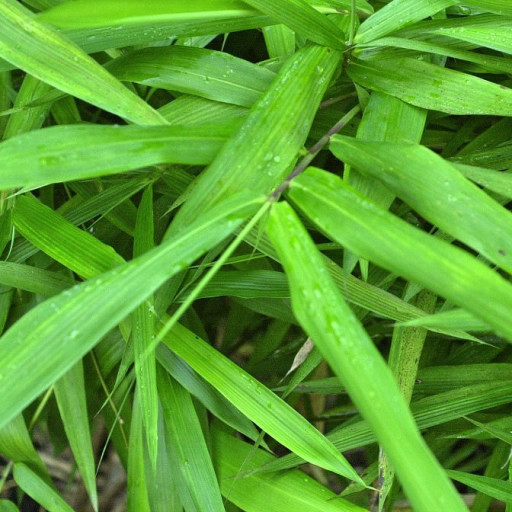
- 🍃 Leaf Structure: The leaves are lance-shaped and evergreen, often appearing in clustered "fans" toward the top of the plant. They have a distinctively rough texture if you rub them the wrong way.
- 🌀 Growth Pattern: Unlike "clumping" bamboos, Switchcane is a "runner." It spreads through underground horizontal stems called rhizomes, creating a dense, interconnected colony rather than individual stalks.
🏡 In Your Garden
- 💧 The "Wet Feet" Specialist: This plant thrives in boggy, poorly drained areas where other plants might rot. It is a superstar for erosion control along pond edges or stream banks because its root system acts like a subterranean net.
- 🚧 Space Management: Because it spreads via rhizomes, it can be aggressive in small suburban yards. If you don't want a "miniature forest," it is best to plant it within a root barrier or in large, sunken containers.
- 🦋 Wildlife Magnet: It serves as a vital host plant for several species of butterflies, including the Southern Pearly-eye. Planting Switchcane is an excellent way to support local biodiversity and provide nesting cover for songbirds.
⚠️ Safety & Toxicity
- ✅ Safe & Non-Toxic: Arundinaria tecta is considered non-toxic to humans, dogs, cats, and livestock. In fact, it was historically used as high-quality winter forage for cattle.
- ✂️ Physical Hazards: While not chemically dangerous, the woody stems can become very sharp if cut at an angle or snapped. Use caution when weeding around the base of the plant to avoid "puncture" scrapes.
✨ Fun Fact
Large Switchcane thickets were once so dense that early American explorers described them as being "impenetrable to a horse." These massive ecosystems, called canebrakes, have mostly disappeared, making the preservation of this native bamboo a high priority for conservationists today!

Detailed Care Instructions
To grow Arundinaria Tecta plant, also known as river cane, you can follow these steps:
- Obtain river cane rhizomes: Purchase river cane rhizomes from a reputable nursery or a bamboo specialist. Make sure you choose healthy rhizomes that are free from any signs of disease or damage.
- Select the planting site: River cane prefers a moist, well-drained soil that is rich in organic matter. Choose a site that receives partial to full sunlight. River cane also grows well near water bodies like rivers or ponds.
- Prepare the soil: Clear the planting area of any weeds or vegetation. Dig the soil to a depth of at least 12 inches, removing any rocks or debris. Add organic matter like compost or well-rotted manure to enrich the soil.
- Plant the rhizomes: Dig a hole that is wide enough to accommodate the rhizome, with a depth of about 2-3 inches. Place the rhizome horizontally in the hole, ensuring that the buds or growing points are facing upwards. Cover the rhizome with soil, gently firming it around the roots.
- Water regularly: After planting, water the rhizomes thoroughly to settle the soil and ensure good root establishment. Keep the soil consistently moist, but not waterlogged, throughout the growing season. Do not let the soil dry out completely between waterings.
- Mulch the soil: Apply a layer of organic mulch, such as wood chips or straw, around the base of the plant to retain soil moisture and suppress weed growth. Maintain a mulch depth of about 2-3 inches, keeping it away from the stem to prevent rotting.
- Prune and maintain: River cane plants can grow quite tall, so regular pruning may be required to maintain their desired height. Remove any dead, damaged, or diseased canes to maintain overall plant health. Additionally, fertilize the plants annually with a balanced slow-release fertilizer to promote healthy growth.
- Monitor and control pests: Keep an eye out for pests such as aphids or mites, which can infest the river cane. If necessary, use organic insecticides or insecticidal soaps to control pest populations.
- Propagation: River cane can also be propagated by dividing mature clumps. Dig up the clump in early spring, carefully separate the rhizomes, and replant them following the same planting instructions mentioned above.
By following these steps, you should be able to successfully grow Arundinaria Tecta or river cane in your garden or landscape.

Place in a bright room that is sun drenched almost all day. Or directly in a south-facing window.
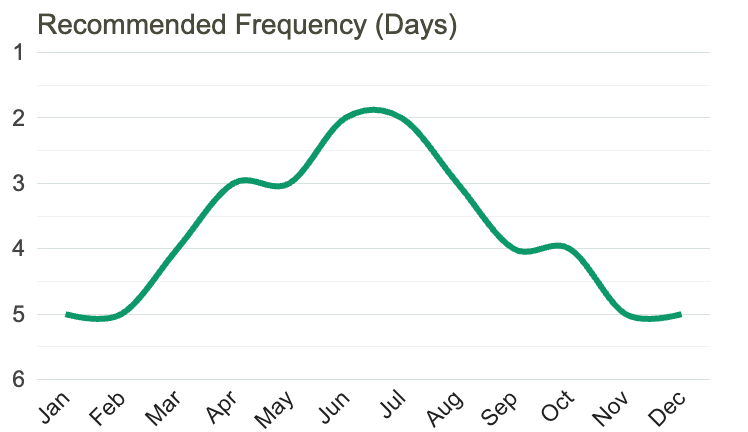
To water this plant, one should ensure that the soil around it stays consistently moist. This can be achieved by watering it deeply once per week or more frequently if the weather is particularly hot or dry. Care should be taken not to overwater the plant, as standing water can cause root rot and other issues. Additionally, it is important to avoid getting water on the leaves of the plant, as this can encourage fungal growth and other problems. It may be helpful to water this plant in the early morning or late evening when the weather is cooler and the plant is less likely to experience stress. If the soil appears dry to the touch, it is time to water the plant again.
To fertilize Arundinaria tecta plants, you can follow these instructions:
- Choose a balanced, slow-release fertilizer specifically formulated for bamboo plants. This should typically have an N-P-K ratio of around 10-10-10 or 14-14-14.
- Apply the fertilizer during the growing season, which is usually from early spring to early fall. Avoid fertilizing during the dormant period in winter.
- Prior to applying the fertilizer, thoroughly water the soil around the plant to ensure it is moist.
- Sprinkle the fertilizer evenly around the base of the plant, starting from a foot away from the stalks and extending outwards.
- Carefully work the fertilizer into the top layer of soil using a garden fork or rake. Be cautious not to damage the shallow root system of the plant.
- Water the area thoroughly after applying the fertilizer to help it soak into the soil and reach the plant's roots.
- Repeat the fertilization process every 4-6 weeks during the growing season, following the recommended dosage mentioned on the fertilizer packaging.
Remember to always read and follow the specific instructions provided by the fertilizer manufacturer, as well as any guidelines particular to Arundinaria tecta, to ensure the best results and the health of your plant.
Arundinaria Tecta requires a soil type that is well-draining and rich in organic matter. It is important to avoid using soils that are heavy and compacted, as this can prevent proper root development and drainage. Sandy loam soils are ideal for this plant, as they offer good drainage while still retaining sufficient moisture and nutrients. Adding organic matter such as compost, leaf mould, or well-rotted manure can help to improve soil structure and fertility. It is also important to ensure that the soil pH is within the range of 5.0 to 7.5, as this plant prefers slightly acidic to neutral soils. When planting Arundinaria Tecta, it is recommended to dig a hole that is slightly larger than the root ball, and to backfill with a blend of soil, compost, and other organic matter.
To propagate Arundinaria tecta plant, follow these steps:
- First, select a healthy and mature Arundinaria tecta plant from which you want to propagate. Ensure that the plant is disease-free and has no signs of stress or damage.
- Prepare a rooting medium that consists of equal parts of perlite and peat moss or a well-draining soil mix. Moisten the medium to provide adequate moisture for root development.
- Take a stem cutting from the parent plant. Choose a stem that is around 6 to 8 inches long and remove it using a clean, sharp pair of pruning shears. Make sure to sterilize the pruning shears before use to prevent the transmission of any diseases.
- Trim off any leaves present on the lower half of the cutting. This encourages the plant to focus its energy on root development rather than sustaining foliage.
- Optional: Apply rooting hormone to the cut end of the stem cutting. This can help stimulate root growth, although it is not necessary for all plant species.
- Create a planting hole in the prepared rooting medium using a pencil or similar tool. Insert the stem cutting into the hole, ensuring that at least 2 to 3 inches of the cutting are buried in the medium.
- Gently firm the medium around the cutting to provide stability. Make sure the cutting is upright and secure in the medium.
- Place the propagated cutting in a warm and humid environment for root development. This can be achieved by covering the cutting with a plastic bag or using a propagator. Ensure that the cutting receives indirect light rather than direct sunlight to prevent scorching.
- Mist the cutting regularly to maintain high humidity levels. Check the moisture level of the rooting medium and water when it feels dry, but avoid overwatering, as this can lead to rot.
- After a few weeks or when you notice new growth or roots emerging from the cutting, it indicates successful propagation. At this stage, you can gradually acclimatize the plant to its growing conditions by gradually exposing it to more light and decreasing humidity.
- Once the propagated Arundinaria tecta plant has established a sufficient root system and has grown to a suitable size, it can be transplanted into a larger container or its final desired location outdoors.
Remember to research specific care requirements for Arundinaria tecta plant to ensure it thrives in its growth and development.