Plant Overview
Often called the Oval-leaf Milkweed or Dwarf Milkweed, this prairie treasure is the sophisticated, smaller cousin of the common field milkweed. Unlike its aggressive relatives that take over entire gardens, this species is a well-behaved guest that prefers the dappled light of oak savannas and quiet meadows. It serves as a vital "nursery" for the iconic Monarch butterfly, offering high-quality nutrition in a compact package.
🔍 How to Identify
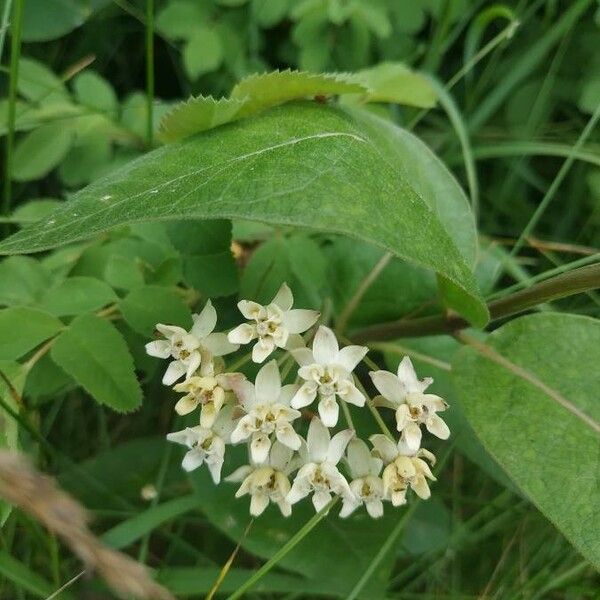
- 🍃 The Leaves: True to its name, the leaves are distinctly oval-shaped, broad, and covered in fine, velvety hairs that give the plant a soft, silvery-green appearance.
- 🌸 The Bloom: Look for loose, umbrella-like clusters of starry flowers. They are usually creamy white or pale greenish-yellow, often featuring a delicate, regal blush of purple or pink at the center.
- 📏 The Stature: This is one of the shorter milkweeds, typically reaching only 1 to 2 feet in height, making it look more like a deliberate garden plant than a "weed."
🏡 In Your Garden
- 🦋 The Monarch Host: This plant is a primary food source for Monarch butterfly caterpillars. Because the leaves are tender and rich in nutrients, female Monarchs will often seek out this specific species to lay their eggs.
- 🌱 The Taproot Rule: This plant develops a long, deep taproot to survive droughts. Because of this, it hates being transplanted. Once you tuck it into the soil, avoid moving it, or you risk damaging the heart of the plant.
- ☀️ Versatile Light: While most milkweeds demand blistering, full-day sun, the Oval-leaf Milkweed is unique because it thrives in "edge" habitats. It is perfectly happy in part-shade or the shifting light found under tall trees.
⚠️ Safety & Toxicity
- 🐾 Toxic to Pets: Like all members of the Asclepias family, this plant contains cardiac glycosides. It is toxic to dogs, cats, and horses if ingested in significant amounts.
- 🧴 Sticky Sap: When a leaf is broken, a thick, milky white latex sap leaks out. This sap can be a skin irritant for some people and should be kept away from the eyes at all costs.
✨ Fun Fact
Asclepias ovalifolia is considered a "conservative" species by ecologists. This means it is a sign of a very healthy, high-quality ecosystem; it is usually one of the first plants to disappear if a wild prairie or woodland becomes polluted or disturbed!

Detailed Care Instructions
To grow Asclepias ovalifolia (Indian milkweed), follow these steps:
- Seed collection: Harvest seeds from mature pods of existing plants or purchase seeds from a reputable supplier.
- Seed pretreatment: Immerse the seeds in hot water (about 80-90°C or 176-194°F) and soak them for 24 hours. This process, known as stratification, helps break the seed dormancy and promotes germination.
- Growing medium: Prepare a well-draining soil mix by combining equal parts of sand, perlite, and potting soil. Make sure the container has drainage holes.
- Planting: Sow the seeds on the soil surface and gently press them down. Do not cover the seeds with soil, as they require light for germination.
- Germination: Place the container in a warm spot with bright, indirect sunlight. Maintain a consistent temperature around 70-80°F (21-27°C). Germination may take 1-2 weeks.
- Watering: Keep the soil moist, but not waterlogged. Water the seedlings gently at the base to avoid disturbing the delicate roots.
- Transplanting: Once the seedlings develop a few true leaves and are about 2-3 inches tall, transplant them into individual pots or a prepared garden bed with well-draining soil. Space them 12-18 inches apart to allow for their spread.
- Sunlight and temperature: Asclepias ovalifolia thrives in full sun or partial shade. Provide at least 4-6 hours of direct sunlight daily. It can tolerate a wide range of temperatures, but it prefers a moderate climate.
- Watering: Water the plants regularly, especially during dry spells. Avoid overhead watering, as the leaves can be susceptible to fungal diseases. Instead, water at the base of the plant.
- Maintenance: Remove any weeds that compete with the young plants for nutrients and water. Mulching around the plants can help suppress weed growth. Monitor for pests like aphids or caterpillars and take appropriate measures if necessary.
- Propagation: Asclepias ovalifolia can also be propagated through root cuttings or by dividing mature clumps in early spring.
- Wildlife benefits: Asclepias species are important hosts for Monarch butterfly larvae. By growing Indian milkweed, you can contribute to their conservation efforts.
Remember to check if Asclepias ovalifolia is native to your region and ensure compliance with local regulations before planting.

Place in a bright room that is sun drenched almost all day. Or directly in a south-facing window.

Asclepias Ovalifolia is a plant that requires careful watering to prosper. To water this plant, begin by checking the soil's moisture level with your finger. Insert your finger into the soil up to your second knuckle and assess if the soil feels moist or dry.
If the soil feels dry, slowly pour water into the pot or soil, making sure to wet the entire root system of the plant. Water thoroughly, then wait for the water to drain from the pot. Do not over-water, as standing water can lead to root rot and other problems.
It is recommended that you use room-temperature water to avoid shocking the plant's roots. In addition, avoid watering during the hottest part of the day, as this can cause the water to evaporate too quickly and potentially harm the plant.
It is also important to note that Asclepias Ovalifolia plants prefer well-draining soil. Ensure that the soil in the pot or garden bed has good drainage to prevent water from collecting around the roots.
To fertilize this particular plant, you will need to choose a slow-release fertilizer with a low nitrogen content. It is important not to over-fertilize as this can lead to excessive growth and may be harmful to the plant in the long term. Ideally, you should fertilize once every two months during the growing season, using a balanced fertilizer with a ratio of approximately 10-10-10. Be sure to apply the fertilizer to the soil around the plant, avoiding the leaves and stem. Finally, water the plant thoroughly after fertilizing to ensure that the fertilizer is distributed evenly throughout the soil.
Asclepias Ovalifolia belongs to a group of plants that thrive in soils with good drainage and moderate moisture. The ideal soil type for this plant is a well-draining sandy loam soil that has a pH level of neutral to slightly acidic. The soil should also be rich in organic matter, which helps improve soil structure and enhances the plant's growth and development. It's best to avoid heavy clay soils that retain too much water or compacted soils that do not allow for proper air and water circulation around the plant's roots. Adding a layer of mulch around the base of the plant can help to regulate soil moisture and prevent weed growth. Furthermore, excessive fertilization should be avoided as it can cause damage to the plant's shallow root system and negatively impact its overall health.
To propagate this plant, you will need to gather some seeds from the mature fruit pods. Once you have the seeds, you can either sow them directly into the ground or start them indoors in pots. If you choose to start them indoors, plant them in a well-draining potting mix and keep them moist, but not too wet. Place them in a warm, sunny location and wait for them to germinate, which could take up to a few weeks. Once the seedlings are about 2-3 inches tall, they may be transplanted into larger containers or directly into the soil outdoors. Water the plants regularly and ensure they receive plenty of sunlight. Over time, the plants will grow and begin to produce their signature flowers, which will attract butterflies and other pollinators to the area.








