Plant Overview
Often called the "Indiana Banana," "Hillbilly Mango," or "Custard Apple," the Asimina triloba is a botanical anomaly. It is the only member of its tropical family (Annonaceae) that wandered north, bringing a lush, Caribbean aesthetic to the temperate forests of North America. It’s a favorite among permaculture enthusiasts for its delicious, custard-like fruit and its ability to thrive where other fruit trees might struggle.
🔍 How to Identify
- 🍃 The Leaves: Large, drooping, and paddle-shaped, these leaves can grow up to 12 inches long. They give the tree a distinct "umbrella" look and turn a stunning buttery yellow in the autumn.
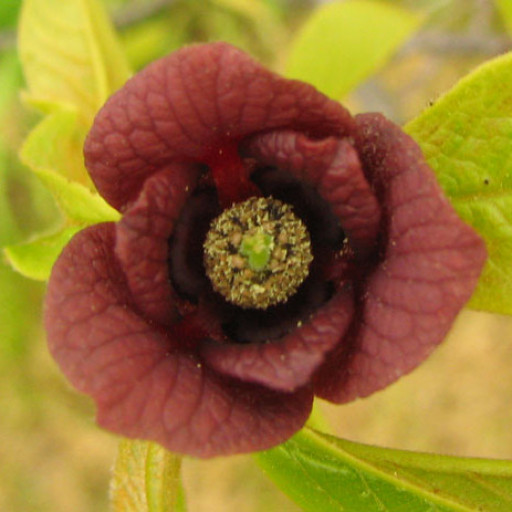
- 🍷 The Flowers: In early spring, the tree produces upside-down, bell-shaped blooms. They are a deep, fleshy maroon or burgundy color and possess a faint, musky scent designed to attract flies rather than bees.
- 🥭 The Fruit: The fruit grows in clusters and looks like short, plump mangoes. The skin starts green and transforms to a yellowish-brown with dark speckles as it softens to peak ripeness.
🏡 In Your Garden
- 🌳 The Taproot Trap: Pawpaws develop a very long, sensitive taproot early in life. Because of this, they "resent" being moved. If you plant one, make sure it is in its permanent "forever home," as transplanting an established tree usually results in failure.
- ⛅ Shade to Sun Transition: In the wild, Pawpaws are understory trees. Young saplings actually need shade to prevent their leaves from burning. However, as the tree matures, it needs more sunlight to produce a heavy crop of fruit.
- 🤝 The Buddy System: Most Pawpaws are not self-fertile. To get fruit, you generally need two genetically different trees (not clones) planted near each other so the neighborhood flies can move pollen between them.
⚠️ Safety & Toxicity
- 🍽️ Edible Pulp: The soft, creamy golden pulp is perfectly safe and highly nutritious. It is often described as a blend of banana, mango, and pineapple.
- 🚫 Seed & Skin Warning: Never eat the skin or the large, bean-like black seeds. They contain acetogenins, which can cause severe digestive distress.
- 🐕 Pet Safety: While the fruit pulp is generally safe, the seeds are a choking hazard and toxic to dogs and cats. The bark and leaves also contain natural insecticides, so keep "chewers" away from the trunk.
✨ Fun Fact
- 🪰 The Rotting Strategy: Because Pawpaws are pollinated by carrion flies and beetles instead of honeybees, some old-school orchardists actually hang pieces of rotting meat or roadkill from the branches in spring to ensure their trees get plenty of "pollinator" traffic!

Detailed Care Instructions
Yes, paw paw trees are generally not self-pollinating and at least two trees are required for fruit production in most cases. However, the trees must be genetically different from each other to pollinate. In other words, you can’t plant one paw paw tree and expect the offshoot trees that may grow from the tree’s suckers to cross-pollinate.
When will pawpaw trees bear fruit?
It depends on whether the tree was grafted or grown from seed. Grafted paw paw trees, like those you may buy from a nursery, will usually bear fruit in 3 to 4 years. For paw paw trees grown from seed, expect to wait 5 to 8 years for fruit production.
Do pawpaw trees stink?
The bark, twigs, leaves and blossoms of paw paw trees have a perceptible odor. In the case of the blossoms, the odor is faint and may not be noticeable unless you intentionally take a whiff. The leaves will emit an odor when crushed or torn. The scent depends on the variety of the tree and is also subjective. Some people describe it as similar to rotting meat, while others say it smells like bell pepper or even yeasty bread.
| Color | Purple |
| Soil Ph | 6.5-7.5 |
| Lighting | Full Sun |
| Toxicity | Toxic |
| Soil Type | Moist, Well-Draining |
| Bloom Time | Spring |
| Plant Type | Perennial |
| Mature Size | 15-25 Feet Tall |
| Native Area | North America |
| Sun Exposure | Full Sun, Partial Sun |
| Hardiness Zones | 5-8 |
To grow Asimina triloba, commonly known as the Pawpaw plant, follow these steps:
- Acquire the seeds: Pawpaw seeds can be obtained from local nurseries, seed banks, or by harvesting ripe fruits. Make sure to collect ripe fruits as unripe seeds may not germinate.
- Seed stratification: Pawpaw seeds require a period of cold stratification to break their dormancy. Place the seeds in a plastic bag with moist peat moss or vermiculite. Keep the bag in a refrigerator for 90 to 120 days.
- Prepare the soil: Choose a sunny location with fertile, well-draining soil. Pawpaws prefer slightly acidic to neutral pH levels (around 5.5 to 7.0). Prepare the soil by removing weeds, rocks, and debris, and amend it with organic matter if needed.
- Plant the seeds: After stratification, sow the seeds in early spring when the soil temperature is around 60°F (15°C). Plant the seeds 1 inch deep in the soil, leaving about 3 to 4 feet of space between each seed.
- Provide regular watering: Keep the soil evenly moist, especially during dry spells and in the first year of growth. However, avoid overwatering as it can lead to root rot.
- Mulch the plants: Apply a layer of organic mulch around the base of the plants to help retain moisture, suppress weed growth, and maintain a cool root zone.
- Fertilize occasionally: Pawpaws benefit from occasional fertilization with a balanced, slow-release fertilizer. Apply the fertilizer according to the package instructions or consult a local gardening expert for specific recommendations.
- Prune as needed: Trim any damaged or dead branches and promote good airflow by selectively pruning the tree. Although pawpaw trees are generally low-maintenance, regular pruning can help shape the tree and improve fruit production.
- Pests and diseases: Monitor for common pests like aphids, mites, or scale insects, and treat if necessary using organic insecticides or horticultural oils. Pawpaw trees can also be susceptible to fungal diseases, so ensure good air circulation and avoid overhead watering.
- Be patient: Pawpaw trees are relatively slow-growing, and it may take 3 to 8 years to produce fruit. However, with proper care and patience, you can enjoy the unique tropical flavors of the Pawpaw fruit.
Remember to consult local gardening resources or experts for specific advice tailored to your climate and growing conditions.

Place in a window with dappled sun or a spot in the middle of a room. Or directly in a window facing west or east.

Asimina Triloba is a deciduous tree that can grow up to 25 feet tall and is native to North America. To water this plant, it is important to consider the soil type and moisture level. Asimina Triloba prefers well-draining soil that is moist but not soggy.
When watering, it is important to water deeply to encourage deep root growth. This can be done by applying water directly to the soil around the tree using a hose or watering can. It is important to avoid getting water on the foliage as this can lead to fungal diseases.
In general, Asimina Triloba should be watered regularly during the growing season, especially during periods of drought. However, it is important not to overwater, as this can lead to root rot and other problems.
To determine when to water, check the soil moisture level by inserting your finger into the soil. If the top inch of soil is dry, it is time to water. In hot weather, Asimina Triloba may require more frequent watering.
In summary, watering Asimina Triloba requires consideration of the soil type and moisture level, deep watering, and avoiding getting water on the foliage. Regular watering during the growing season is important, but overwatering should be avoided.
To fertilize this plant, apply a balanced fertilizer with equal amounts of nitrogen, phosphorus, and potassium. Apply this fertilizer once every four to six weeks during the growing season, which is typically during the spring and summer months. Be sure to follow the manufacturer's instructions carefully, and avoid over-fertilization as this can lead to root burn and other damage. Water the plant thoroughly before and after applying fertilizer to help distribute it evenly throughout the root system. Mineral-based organic alternatives to synthetic products can also be used for fertilization.
Asimina triloba plants require a well-drained, loamy soil that is rich in nutrients. The soil should have a slightly acidic to neutral pH level, with a range between 5.5 and 7.0. It is important to avoid heavy, clay soils or soils that are excessively sandy or rocky, as these can negatively impact root development. Adding organic matter to the soil, such as compost or well-aged manure, can help improve soil fertility and texture. Additionally, ensuring proper drainage is important to prevent waterlogged soils, which can lead to root rot and other diseases.
To propagate this plant, first, select healthy stems that have no signs of disease or damage. Cut these stems into 6 to 8-inch sections using a sharp, sterile pruning tool.
Next, remove any leaves or buds from the lower half of the stem. Dip the cut end of the stem in rooting hormone powder and plant it in well-draining soil.
Water the soil thoroughly, making sure it stays moist but not waterlogged. Cover the plant with a plastic bag or a plastic dome to create a humid environment, which will help the stem establish roots.
Place the plant in indirect sunlight, and make sure the temperature stays between 70 and 80 degrees Fahrenheit.
After several weeks, the plant should start developing new roots. You can check this by gently tugging on the stem to see if it is anchored in the soil. Once the plant has established roots, remove the plastic covering and gradually acclimate it to its new environment.
With proper care and maintenance, the newly propagated plant will grow into a mature plant over time.
Common pests of the pawpaw include Scale insect, mealybugs, spider mites, larvae. Make a habit of checking your pawpaw frequently for pests so that any infestations can be caught and managed early.








