Plant Overview
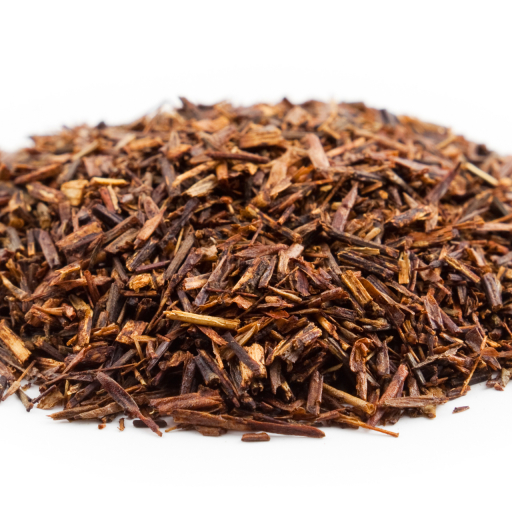
Known worldwide as the source of "Red Bush" tea, Aspalathus linearis is a hardy, broom-like shrub that hails exclusively from the rugged Cederberg mountains of South Africa. For centuries, the indigenous Khoisan people harvested its needle-like leaves for medicinal purposes and refreshment. Today, it is a global superstar, cherished for its earthy, vanilla-honey flavor and its status as a caffeine-free antioxidant powerhouse.
🔍 How to Identify
- 🌿 Needle-Like Foliage: The leaves are bright green, very thin, and needle-shaped, growing in dense clusters along the stems rather than broad blades.
- 🌼 Pea-like Flowers: During the spring, the shrub produces small, solitary yellow flowers that look remarkably like tiny sweet peas, signaling its membership in the legume family.
- 🪵 Reddish Stems: The plant grows as a multi-branched shrub with thin, woody stems that often take on a reddish-brown tint as they age.
🏡 In Your Garden
- 🏜️ The Fynbos Specialist: This plant is a specialist of the South African Fynbos biome. It thrives in sandy, acidic soils that are remarkably low in nutrients. It possesses a long taproot designed to find water deep underground during scorching, dry summers.
- 🦠 Microscopic Friendships: Rooibos is difficult to cultivate outside its home because it relies on specific "rhizobia" (nitrogen-fixing bacteria) found in Cederberg soil. Without these tiny partners, the plant often struggles to absorb the nutrients it needs to survive.
⚠️ Safety & Toxicity
- ☕ Safe & Beneficial: Rooibos is entirely non-toxic to humans and is famously used as a gentle tea for infants suffering from colic or skin irritations.
- 🐾 Pet Friendly: There are no known toxic effects for cats, dogs, or horses. While the needle-like leaves aren't a preferred snack for pets, they won't cause harm if a curious cat takes a nibble.
✨ Fun Fact
The "Red" in Red Bush is actually a bit of a transformation! The living plant is vibrantly green. The iconic deep crimson color and sweet aroma only develop after the leaves are harvested, bruised, and left to "ferment" (oxidize) under the hot African sun.

Detailed Care Instructions
To grow Aspalathus Linearis, commonly known as Rooibos or Redbush, follow these steps:
- Climate: Rooibos plants thrive in Mediterranean-like climates with well-draining soils. If you live in a region with hot summers and mild winters, it is suitable for growing Rooibos.
- Soil: Rooibos prefers sandy, well-draining soil with a pH level between 4.5 and 6.5. If your soil is clayey or heavy, consider adding compost or sand to improve drainage.
- Sunlight: Rooibos plants require full sun or light shade. Ensure they receive at least six hours of direct sunlight daily.
- Planting: The best time to plant Rooibos is in the spring or early summer when the soil has warmed up. Dig a hole that is slightly larger than the root ball of the plant. Place the plant in the hole, backfill with soil, and gently firm it around the roots.
- Watering: Rooibos plants are drought-tolerant but still require regular watering, especially in the first two years of growth. Water deeply and allow the soil to dry out between waterings. Be mindful not to overwater, as excessive moisture can cause root rot.
- Mulching: Apply a layer of mulch around the base of the plant to help retain moisture, suppress weed growth, and regulate the soil temperature.
- Pruning: Prune Rooibos plants in early spring to remove any dead or damaged branches. This will promote new growth and keep the plant compact.
- Harvesting: Rooibos leaves are typically harvested two to three years after planting. Harvest the young shoots and leaves by cutting them off just above the woody stem. Leave at least three sets of leaves on the plant to ensure its continued growth.
- Curing: After harvesting, the leaves need to be cured to develop their unique flavor. Spread the leaves out in a thin layer and allow them to oxidize and dry in the sun or in a well-ventilated area, just like drying tea leaves.
- Storage: Once the leaves are fully dry, store them in an airtight container away from light, heat, and moisture to maintain their freshness.
Remember that Rooibos can take a few years to establish itself fully, so be patient with the plant. With proper care and attention, you can enjoy a bountiful harvest of Rooibos leaves.

Place in a bright room that is sun drenched almost all day. Or directly in a south-facing window.

Aspalathus Linearis plant should be watered regularly and deeply, allowing the soil to dry out slightly between waterings. The plant prefers well-draining soil and should not be overwatered as it may lead to root rot. When watering, it is important to avoid wetting the foliage as this may promote fungal growth or damage the leaves. Additionally, the plant should be watered early in the morning or late in the afternoon to prevent water evaporation due to heat and to allow the plant to absorb the water properly. It is recommended to use room temperature water or rainwater as opposed to cold water, which may shock the roots. Proper watering is essential to maintain the health, growth, and longevity of the Aspalathus Linearis plant.
To fertilize this plant, use a balanced fertilizer with equal amounts of nitrogen, phosphorus, and potassium. Apply the fertilizer in the early spring or late fall, avoiding periods of extreme heat or cold. Apply the fertilizer evenly over the soil, avoiding contact with the plant's foliage. Water the plant after fertilizing to allow the nutrients to reach the roots. Repeat this process once every four to six weeks during the growing season.
The Aspalathus Linearis plant is native to the Western Cape of South Africa, where it is typically found growing in sandy, well-draining soils. Therefore, it is recommended to use a sandy and well-draining soil mix with a pH level of around 6.0-7.0. It is also important to ensure that the soil is low in nutrients, as the plant prefers a nutrient-poor environment. To achieve this, a mixture of sand, peat moss, and perlite is often recommended. Additionally, the plant can benefit from the addition of fertilizers designed specifically for acid-loving plants.
Aspalathus Linearis, a shrub native to South Africa, can be propagated through both seeds and cuttings.
Propagation by Seeds:
- Collect mature seed pods from the plant.
- Clean the pods and extract the seeds.
- Soak the seeds in water for a few hours.
- Fill a well-draining potting mix in a seed tray or pot.
- Sow the seeds on the surface of the potting mix and cover lightly with more mix.
- Water the seeds gently and keep the tray or pot in a warm, bright location but out of direct sunlight.
- Water the seeds regularly and ensure the soil is never allowed to dry out.
- Germination may take anywhere from one month to six months.
Propagation by Cuttings: - Take a cutting from the plant in spring or early summer, when the new growth is pliable.
- Cut a 4 to 6-inch long stem from the plant with a clean, sharp blade.
- Strip all the leaves from the bottom half of the stem.
- Dip the cut end of the stem into a rooting hormone powder.
- Fill a well-draining potting mix in a pot and water the mix.
- Make a hole in the potting mix with a pencil or similar object.
- Insert the cutting into the hole and firm the soil around it.
- Water the cutting gently and place the pot in a warm, bright location but out of direct sunlight.
- Keep the potting mix moist, but not waterlogged.
- The cutting should produce roots in six to eight weeks.








