Plant Overview
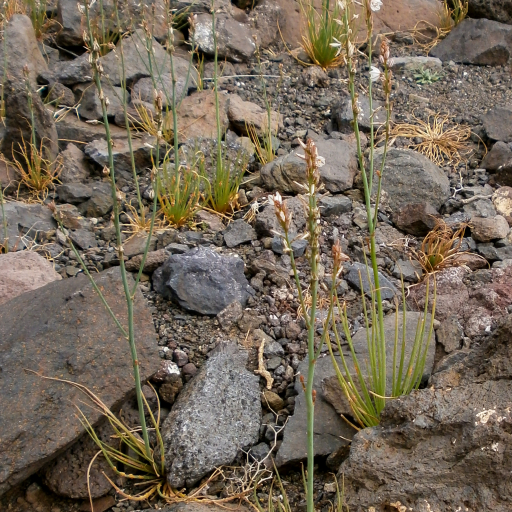
Meet the Asphodelus tenuifolius, commonly known as the "Onionweed" or "Jungle Onion." While it may look like a culinary scallion from a distance, this hardy survivor is actually a member of the asphodel family. Often found dancing in the dry fields of the Mediterranean and India, it has a reputation for being a stubborn traveler that thrives in sandy soils where other plants might struggle to survive.
🔍 How to Identify
- 🌿 Slender Foliage: The leaves are long, hollow, and tubular—strikingly similar to chives or green onions, but they lack the characteristic pungent onion scent when crushed.
- 🌸 Striped Blooms: The small, star-shaped flowers are white or pale pink, with each petal featuring a distinct reddish-brown or purple vein running straight down the center.
- 🎋 Branching Stems: Unlike many lilies that grow on a single spike, its flowering stalks are often branched and wiry, creating a delicate, airy silhouette against the horizon.
🏡 In Your Garden
- 🏜️ Soil Resilience: This plant is the ultimate "low-maintenance" specialist. It actually prefers sandy, well-draining, and even nutrient-poor soil, making it a common sight in rock gardens or coastal areas.
- ⚓ The Taproot Trap: If you find it in your garden and want to move it, be warned: it develops a deep, tenacious root system very quickly. It "hates" being transplanted because those deep roots are its lifeline for storing water during droughts.
⚠️ Safety & Toxicity
- 🐾 Pet Caution: While not considered high-risk, the plant contains certain alkaloids that can cause digestive upset, vomiting, or lethargy in cats, dogs, and livestock if consumed in significant amounts.
- 🚫 A Culinary Imposter: Despite the "Onionweed" name, it is not a true onion. It lacks the edible bulbs of the Allium genus and should never be used in cooking, as it can be irritating to the human digestive tract.
✨ Fun Fact
📜 The Bookbinder's Secret: In some traditional cultures across South Asia, the seeds of the Onionweed were historically crushed and mixed with water to create a strong, natural mucilage (glue) used specifically for bookbinding and repairing paper!

Detailed Care Instructions
| Humidity | Normal |
| Difficulty | Easy |
| Hibernation | Cold Period |
| Temperature | 15°C - 25°C |
To grow Asphodelus tenuifolius, also known as Slimleaf Asphodel, you can follow these steps:
- Obtain Seeds or Plant: You can either collect seeds from a mature plant or purchase them from a reputable nursery. Alternatively, you can also obtain a young plant from a nursery if available.
- Choose the Planting Location: Asphodelus tenuifolius prefers full sun but can tolerate partial shade. Choose a location in your garden that receives at least 6-8 hours of direct sunlight daily.
- Soil Preparation: Asphodelus tenuifolius prefers well-draining soil with a pH of 6.5 to 7.5. Improve the soil by adding organic matter like compost or well-rotted manure. Ensure the soil is loose and well-drained.
- Planting:
- If starting from seeds, sow them directly into the prepared soil, ensuring they are spaced at least 12 inches apart. Cover the seeds with a thin layer of soil.
- If planting a young plant, dig a hole slightly larger than the plant's root ball. Place the plant in the hole, ensuring the top of the root ball is level with the soil surface. Backfill the hole and gently firm the soil around the plant.
- If starting from seeds, sow them directly into the prepared soil, ensuring they are spaced at least 12 inches apart. Cover the seeds with a thin layer of soil.
- Watering: Keep the soil slightly moist until the plant is established. Water deeply once or twice a week, allowing the soil to dry out slightly between waterings. However, ensure you are not overwatering, as Asphodelus tenuifolius prefers drier conditions.
- Mulching: Mulch around the plant to help conserve moisture and suppress weeds. Use a layer of organic mulch like wood chips or dry leaves, keeping it a few inches away from the stem to avoid moisture-related issues.
- Pruning: Asphodelus tenuifolius doesn't require much pruning. However, you can remove any dead or damaged foliage to maintain the plant's appearance and health.
- Fertilization: Asphodelus tenuifolius doesn't have high fertilizer requirements. You can apply a balanced slow-release fertilizer in the spring or use a liquid fertilizer diluted according to package instructions once or twice during the growing season.
- Pests and Diseases: Asphodelus tenuifolius is generally resistant to pests and diseases. However, if you notice any issues like aphids or fungal infections, treat them accordingly with appropriate organic or chemical controls.
- Overwintering: Asphodelus tenuifolius plants are typically hardy and can withstand mild frosts. However, if you live in a colder region, you may need to protect the plants during harsh winters by covering them with a frost cloth or moving potted plants indoors.
Remember to monitor the plant's growth and provide any necessary care to ensure it continues to thrive.

Place in a bright room that is sun drenched almost all day. Or directly in a south-facing window.

To water this plant, first ensure that the soil feels dry to the touch. Then water the plant directly at the base, being sure to avoid getting water on the leaves or flowers. Water until the soil is moist but not soaking. Allow the soil to dry out slightly before watering again. Be careful not to overwater, as this plant is susceptible to root rot. Additionally, during the winter months, reduce watering frequency to allow the plant to go into dormancy.
To fertilize Asphodelus Tenuifolius plant, you can follow these instructions:
- Use a balanced, slow-release fertilizer with an N-P-K ratio of around 10-10-10 or 20-20-20.
- Begin fertilizing in the spring when new growth appears.
- Dilute the fertilizer with water according to the manufacturer's instructions.
- Apply the diluted fertilizer around the base of the plant, avoiding direct contact with the leaves or stems.
- Water the plant immediately after fertilizing to help dissolve the nutrients into the soil.
- Repeat the fertilization every 4-6 weeks during the growing season.
- Adjust the frequency and dosage of fertilization based on the plant's response and the soil's nutrient needs.
- Avoid over-fertilizing, as it can lead to nutrient imbalances or leaf burn.
- Regularly monitor the plant's health and adjust the fertilization regimen accordingly.
- Always follow the specific instructions and recommendations provided by the fertilizer manufacturer for best results.
Soil requirements for this plant should be well-draining and slightly acidic, with a pH range of 6.0 to 7.0. The soil should also be nutrient-rich, with good levels of organic matter. A mixture of loamy soil, sand, and compost can create the perfect growing environment and allow for optimal drainage and aeration. The plant may not tolerate heavy or clay soils, so amendments may be necessary to improve soil structure. It is also important to ensure that the soil remains moist, but not waterlogged, to prevent root rot or other fungal diseases. Overall, providing a well-draining and nutrient-rich soil will promote healthy growth and flowering of this plant.
To propagate Asphodelus tenuifolius, you can follow these steps:
- Start by collecting mature seeds from the plant. Look for dry flower heads that have turned brown and show signs of splitting open. Gently shake the heads to release the seeds into a container.
- Prepare a well-draining potting mix by combining equal parts of peat moss, perlite, and sand. Fill small seedling trays or pots with this mixture, leaving about 1 inch of space at the top.
- Sprinkle the Asphodelus tenuifolius seeds evenly over the surface of the potting mix. Lightly press them down into the soil, ensuring good seed-to-soil contact.
- Water the seeds gently to provide moisture for germination. Avoid over-watering, as excessive moisture may lead to rot. Mist the soil surface periodically to maintain moisture levels.
- Place the trays or pots in a warm and bright location, preferably receiving indirect sunlight. Maintain a temperature range between 70-80°F (21-27°C), as this aids in successful germination.
- Seed germination typically occurs within 2-4 weeks. Once the seedlings are about 1 inch tall, thin them out by removing weaker or crowded individuals, leaving the healthiest ones. This allows each plant to have ample space to grow.
- Continue to provide regular watering, keeping the soil evenly moist. Avoid waterlogging the plants, as this can cause root rot.
- After a few months, when the seedlings have grown to a suitable size, they can be transplanted into larger pots or directly into a well-prepared garden bed. Ensure that the new location provides well-draining soil and receives ample sunlight.
- When transplanting, dig a hole slightly larger than the root ball of each seedling. Gently place the plant in the hole, making sure the top of the root ball is level with the surrounding soil. Fill in the hole, firming the soil around the roots.
- Water the transplanted seedlings thoroughly and continue to provide regular watering until they become established.
With proper care and suitable growing conditions, your propagated Asphodelus tenuifolius plants will establish well and thrive, adding beauty to your garden or landscape.








