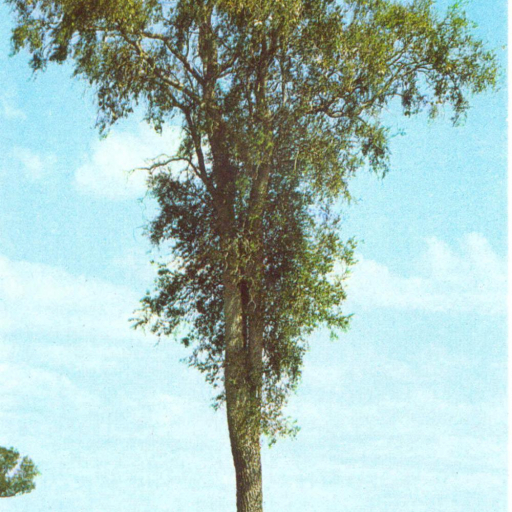
Plant Overview
Known as the legendary "Axe-breaker" of the South American plains, the Quebracho Blanco is a stoic survivor of the Gran Chaco. Its name is derived from the Spanish phrase quiebra hacha, a nod to its incredibly dense, rock-hard wood that has historically challenged even the sharpest tools. This evergreen tree is a symbol of endurance, standing tall in landscapes where few other species can thrive.
🔍 How to Identify
- 🍃 The Leaves: Look for small, rigid, lance-shaped leaves with a leathery texture. Each leaf features a distinct, sharp-pointed spine at the tip (a mucro) that serves as a defense against hungry herbivores.
- 🪵 The Bark: The trunk is cloaked in thick, corky, yellowish-gray bark. As the tree ages, this bark develops deep, irregular furrows and ridges that protect the inner wood from extreme heat.
- 🫛 The Fruit: It produces large, flat, woody pods (follicles). When ripe, these pods split open like a bivalve shell to release flat, circular seeds equipped with wide, papery wings for wind travel.
🏡 In Your Garden
- ☀️ Drought Warrior: This is a specialist of arid environments. It is exceptionally drought-tolerant and prefers well-draining, even sandy or rocky soils. It is not a tree for boggy or over-watered garden beds.
- ⏳ A Lesson in Patience: Because the wood is so dense and heavy, the Quebracho Blanco grows at a very slow pace. It is a "legacy tree," meaning it is planted for future generations rather than immediate shade.
- 🌳 Root Development: It develops a deep taproot to find water in dry subsoils. Because of this, it resents being moved once established, so choose its "forever home" carefully.
⚠️ Safety & Toxicity
- 💊 Medicinal Alkaloids: The bark is rich in alkaloids (such as aspidospermin and yohimbine) that have been used in traditional medicine for respiratory issues. However, these compounds can be toxic in high doses.
- 🐾 Pet & Human Safety: Ingestion of the bark or leaves can lead to heart palpitations, dizziness, or gastrointestinal distress. It should be kept away from curious pets and should never be consumed without professional medical supervision.
- 🌵 Physical Hazard: The spines at the tips of the leaves are sharp enough to puncture skin. Avoid planting it directly next to narrow walkways or children's play areas.
✨ Fun Fact
The wood of the Quebracho Blanco is so dense and heavy that it does not float! It is one of the rare "sinker woods" of the world, making it historically prized for heavy-duty construction like railway sleepers and bridge pilings that need to withstand rot and pressure.

Detailed Care Instructions
To grow Aspidosperma Quebracho-blanco plant, you can follow these steps:
- Obtain seeds or seedlings: Look for a reputable nursery or supplier that sells Aspidosperma Quebracho-blanco plant seeds or seedlings. Alternatively, you can collect seeds from mature plants if you have access to them.
- Choose the right location: Aspidosperma Quebracho-blanco plants prefer full sun to partial shade. Ensure the planting area receives at least six hours of direct sunlight per day. The soil should be well-draining and moderately fertile.
- Prepare the soil: Loosen the soil in the planting area by removing any weeds, rocks, or debris. Add organic matter such as compost or well-rotted manure to improve soil fertility and drainage.
- Plant the seeds/seedlings: If you have seeds, sow them directly into the ground, placing them about 1/4 to 1/2 inch deep in the soil. If using seedlings, dig a hole large enough to accommodate the root ball of the plant and gently place it in the hole. Backfill the hole with soil, ensuring the plant sits at the same level as it was in the nursery container. Space multiple plants at least three to four feet apart to allow for growth.
- Watering: Aspidosperma Quebracho-blanco plants prefer regular watering to keep the soil moist but not waterlogged. Water deeply and thoroughly, especially during dry periods or when the plant is young and establishing its roots. Reduce watering in cooler months to prevent waterlogging.
- Mulching: Apply a layer of organic mulch around the base of the plant to help retain moisture, suppress weed growth, and regulate soil temperature. Keep the mulch a few inches away from the stem to prevent potential rot.
- Pruning: Aspidosperma Quebracho-blanco plants generally don't require extensive pruning but can benefit from occasional maintenance pruning to remove dead, damaged, or crossing branches. Prune in late winter or early spring before new growth starts.
- Fertilizing: Aspidosperma Quebracho-blanco plants usually don't require much fertilizer. However, you can apply a balanced slow-release fertilizer in the early spring to provide some extra nutrients. Follow the manufacturer's instructions for application rates.
- Pest and disease control: Monitor the plants regularly for any signs of pests or diseases. Common pests include aphids, scale insects, and caterpillars. Use insecticidal soap or neem oil as organic remedies. If fungal diseases occur, such as leaf spots or powdery mildew, treat them with appropriate fungicides.
- Be patient: Aspidosperma Quebracho-blanco plants grow slowly, so be patient and provide proper care. It may take several years for the plant to reach its full height and maturity.
Remember to check with your local gardening experts or extension office for specific care recommendations based on your location and climate.
Aspidosperma Quebracho-blanco is a plant that requires regular watering to thrive. When watering this plant, it is important to ensure that the soil remains moist but not saturated. Overwatering can lead to root rot, and under-watering can cause the plant to wither and die.
The ideal time to water this plant is in the morning or evening when the temperature is cooler, and the sun is not shining directly on the plant. This will prevent the water from evaporating too quickly and ensure that the plant can absorb the water effectively.
It is recommended to water this plant once a week during the growing season, which is typically from spring to early fall. During winter, watering can be reduced to once every two weeks. The amount of water needed can vary depending on factors such as the size of the plant and the weather conditions.
To water this plant, use a watering can or a hose with a gentle spray nozzle to avoid disturbing the soil or damaging the plant. Water the soil around the base of the plant, and avoid getting water on the leaves or flowers as this can cause fungal diseases.
In addition to watering, the soil should be well-draining to prevent waterlogging. Adding organic matter to the soil can help improve drainage and water retention. Regularly checking the soil moisture and adjusting the watering frequency accordingly will help ensure the plant stays healthy and hydrated.
To fertilize this plant, begin in the early spring and continue every two to four weeks throughout the growing season. Use a balanced fertilizer with equal parts nitrogen, phosphorus, and potassium. Mix the fertilizer with water according to the package instructions and apply to the soil around the base of the plant. Avoid getting the fertilizer on the foliage or stems. Water the plant thoroughly after fertilizing. Do not fertilize during the dormant season.
Aspidosperma Quebracho-blanco plant should be grown in a well-draining soil mix that is rich in organic matter. A pH range of 5.5-7.5 is suitable for this plant. The soil should contain a good amount of sand, perlite or vermiculite to ensure good drainage. The plant requires moderate soil moisture and does not tolerate waterlogging, so be sure to avoid over-watering. A mixture of compost, peat moss, and sand is a good choice for the growing medium. Additionally, it is important to avoid using heavy, clay soils or soils that are prone to compaction, as this can stunt the plant's growth and lead to root rot.
Aspidosperma Quebracho-blanco is a plant species that can be propagated through different methods. One of the most common ways to propagate this plant is by seed. The first step is to collect ripe fruits and extract the seeds either by hand or with the help of a machine. Once the seeds are obtained, they should be cleaned and dried.
The next step is to prepare the soil for seed germination. The soil must be well-drained and rich in nutrients for optimal seed growth. The seeds should be sown at a depth of around 1 cm in the soil and covered lightly with soil. The soil should be kept moist but not waterlogged, and the seeds should be kept in a warm and shaded area to encourage germination.
Another method of propagating Aspidosperma Quebracho-blanco is by stem cuttings. For this method, healthy stem sections of the plant should be taken and treated with a rooting hormone to improve the chances of successful rooting. The cuttings should be planted in a well-draining soil mix and kept in a warm and shaded area until root growth is visible.
Lastly, Aspidosperma Quebracho-blanco can also be propagated through layering. This method involves bending a healthy branch of the plant down towards the ground and burying a section of the branch under the soil. The buried section of the branch will begin to develop roots, and once the roots are established, the branch can be cut away from the parent plant and transplanted to its new location.








