Plant Overview
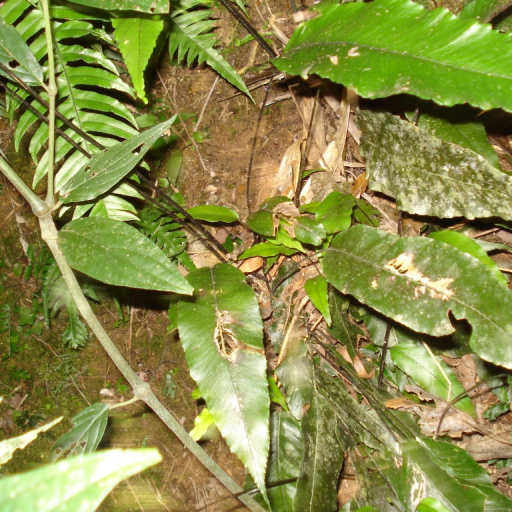
Often called the Wild Bird’s Nest Fern, this lush, tropical beauty looks like a vibrant green explosion emerging from a central crown. Native to the humid forests of Florida, the Caribbean, and South America, it is a "New World" relative of the common houseplant bird's nest fern. It earns its name from its clever rosette shape, which acts as a natural basket to catch falling debris and rainwater.
🔍 How to Identify
- 🌿 The Fronds: Unlike many ferns with "lacy" leaves, these are solid, strap-shaped blades that can grow up to 2–3 feet long in the wild.
- 🪚 Serrated Edges: Look closely at the leaf margins; they have distinct, irregular teeth or "serrations," which is exactly what the Latin name serratum refers to.
- 🧺 The "Nest" Center: The leaves radiate from a central, fuzzy dark-brown base (the rhizome), creating a funnel-like shape that looks remarkably like a bird's nest.
🏡 In Your Garden
- ☁️ Humidity is King: This fern is a true tropical resident. It thrives in high humidity and will quickly show "crispy" brown edges if the air in your home becomes too dry. It’s a perfect candidate for a bright, steamy bathroom.
- 🌳 The Epiphytic Habit: In its natural habitat, it often grows on tree trunks rather than in the dirt. If you are potting one, use a very airy, well-draining mix (like orchid bark or peat) to prevent the roots from suffocating in heavy soil.
- 💧 Watering Logic: While it loves moisture, avoid pouring water directly into the center of the "nest" during cold months, as trapped water can lead to crown rot.
⚠️ Safety & Toxicity
- ✅ Status: Non-Toxic and Safe.
- 🐾 Details: The Asplenium serratum is generally considered safe for cats, dogs, and children. It is a "friendly" fern for households with curious pets who like to nibble on greenery.
✨ Fun Fact
In the wild, this fern creates its own soil! The "nest" shape is a specialized biological trap designed to catch falling leaves and organic matter. As this debris decomposes in the center of the fern, it provide a steady supply of nutrients, allowing the plant to survive high up in the canopy where soil is scarce.

Detailed Care Instructions
To grow Asplenium serratum plants, follow these steps:
- Purchase a healthy and mature Asplenium serratum plant from a reputable nursery or garden center. Alternatively, you can start the plant from spores, but this process is more advanced and time-consuming.
- Choose an appropriate location for your plant. Asplenium serratum prefers bright, indirect light and a temperature range of 18-24°C (64-75°F). Avoid placing the plant in direct sunlight or extreme temperature conditions.
- Prepare a well-draining pot or container with drainage holes at the bottom. Asplenium serratum thrives in a well-draining soil mix, which can be composed of equal parts of peat moss, perlite, and vermiculite.
- When transplanting the plant, ensure that the roots are adequately covered with soil. Gently pat down the soil to secure the plant and remove any air pockets.
- Water the plant regularly to maintain moist soil conditions. However, avoid overwatering, as it can lead to root rot. Asplenium serratum prefers slightly moist soil rather than soggy or dry conditions.
- Maintain humidity around the plant by misting the leaves with water regularly. Asplenium serratum enjoys high humidity, so using a humidifier or placing a tray of water near the plant can also help.
- Fertilize the plant with a balanced houseplant fertilizer during the growing season (spring and summer). Follow the package instructions for the correct dosage and frequency.
- Regularly prune any dead or damaged fronds to promote new growth and maintain the plant's appearance. Gently remove the fronds at the base using clean and sharp pruning shears.
- Keep an eye out for pests, such as spider mites or aphids, and treat them immediately with organic insecticides or by wiping the leaves with a soapy water solution.
By following these steps and providing the right care, your Asplenium serratum plant should grow and thrive in your home or garden.

Place in a dark room with little light, like a dark bedroom or a spot far away from a window or directly in a north-facing window.

To water this plant, ensure that the soil is slightly moist but not soaked. Test the soil with your finger to determine if watering is necessary. If the top inch of soil is dry, it's time to water. Water the plant slowly and carefully to avoid waterlogging the roots. Allow excess water to drain out of the pot. Avoid letting the plant sit in standing water, as this can cause root rot. The frequency of watering will depend on factors such as the size of the pot, the temperature, and the humidity levels. It is important to monitor the plant closely to determine if it needs more or less watering.
To fertilize Asplenium Serratum plant, use a balanced, water-soluble fertilizer every two weeks during the growing season. Mix the fertilizer solution according to the instructions on the package and apply it directly to the soil, avoiding foliage contact. Avoid over-fertilization, which can lead to nutrient imbalances and plant damage. Water the plant thoroughly after fertilizing to prevent salt build-up in the soil.
The ideal soil for Asplenium Serratum should be well-draining and rich in organic matter. It should also be slightly acidic with a pH range between 5.5 to 7.0. A mixture of peat moss, perlite, and small amounts of sand would be suitable. The soil should allow for adequate moisture retention without becoming waterlogged. It's essential to avoid using heavy soils that are dense, clayey, and poorly aerated. This plant typically prefers loose soil that is easy to penetrate with roots, allowing for its growth and development.
Asplenium Serratum can be propagated through spores or by dividing the plant.
To propagate through spores, collect mature fronds from the parent plant and place them upside down in a paper bag until the spores have ripened and fallen onto the paper. Then, sprinkle the spores onto damp sphagnum moss and cover with a plastic bag to maintain humidity. Keep the moss moist and in a warm, bright location until the spores have germinated into tiny ferns.
To propagate by division, carefully remove the plant from its pot and gently separate the root ball into several sections, making sure each section has several fronds and a healthy root system. Replant each section in a separate pot with fresh potting soil and water well.
Both methods should be done during the plant's active growth period, which is usually in the spring or summer.








