Plant Overview
Often called the Magdalena Milkvetch, this resilient desert dweller looks like a shimmering ghost against the sun-baked sands of the Sonoran and Mojave Deserts. Part of the vast and complex Astragalus genus, it is a master of survival, using a dense coat of silvery hairs to reflect harsh UV rays. It is most famous for its peculiar, balloon-like seed pods that are designed to catch the desert wind and roll across the dunes like tiny tumbleweeds.
🔍 How to Identify
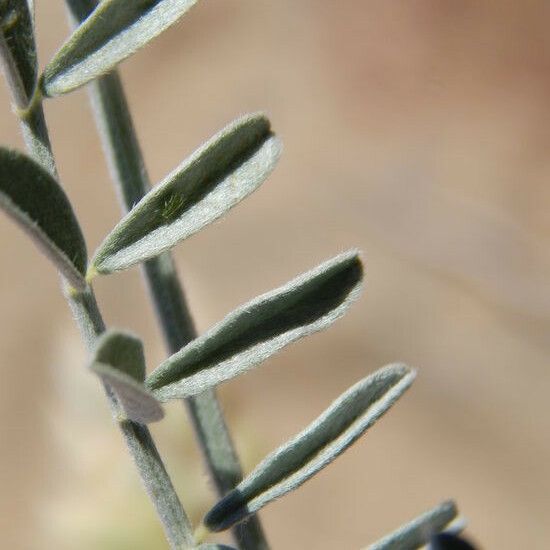
- 🌿 Silvery Foliage: The leaves are pinnately compound (feather-like) and covered in fine, silky white hairs that give the plant a distinct grayish-white or metallic sheen.
- 🌸 Pea-like Blooms: During the blooming season, it produces small, delicate clusters of purple or bicolored lavender flowers that look like miniature sweet peas.
- 🎈 Inflated Pods: Its most striking feature is the large, papery, and hollow seed pods. These translucent, bladder-like capsules protect the seeds and help them "float" across the sand.
🏡 In Your Garden
- 🏜️ Sand Specialist: This plant is an "extremophile" that thrives in shifting sand dunes and highly porous, gravelly soils. It provides essential stabilization for fragile desert ecosystems.
- 💧 The Deep Taproot: To survive in arid climates, it develops a long, stubborn taproot to reach deep underground moisture. Because of this, it hates being transplanted; moving it usually results in the plant failing to re-establish.
⚠️ Safety & Toxicity
- 🚫 Locoweed Status: Many species in the Astragalus genus are known as "Locoweeds." They can sequester selenium from the soil or contain swainsonine, an alkaloid that is dangerous when eaten.
- 🐾 Livestock & Pets: It is toxic to horses, cattle, and sheep, often causing "locoism"—a condition characterized by neurological damage, lack of coordination, and behavioral changes. Keep it away from curious pets and grazing animals.
✨ Fun Fact
The name Astragalus comes from the Greek word for "ankle bone" or "dice." In ancient times, the dried seed pods of some species in this family were thought to resemble the shape of vertebrae or gambling dice!

Detailed Care Instructions

Place in a bright room that is sun drenched almost all day. Or directly in a south-facing window.
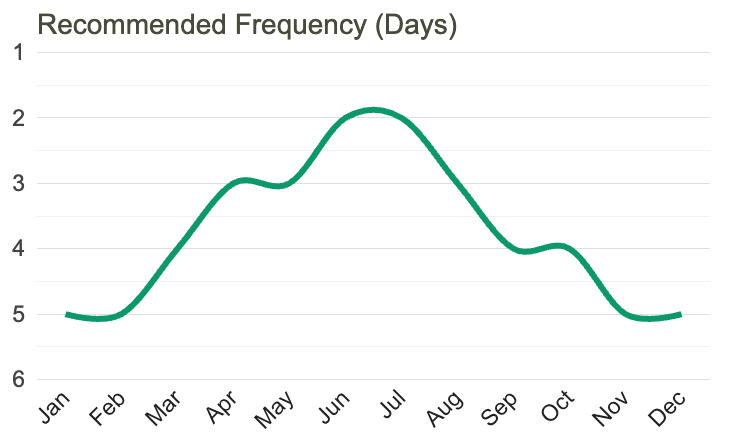
Some plants require more regular watering than others, which should be done every few days. It's critical to maintain the soil moist all of the time. The water requirements of the same plant placed in pots with varying sizes will differ. Because the water in the smaller pot evaporates faster than the water in the larger pot, it will require more watering. Regardless of pot size, the surface should constantly be maintained moist.