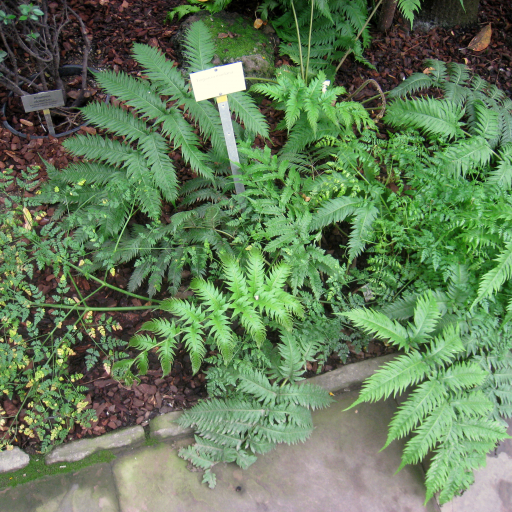
Plant Overview
Often called the Mountain Candy-carrot, Athamanta montana is a delicate, lace-like perennial that hails from the rugged limestone slopes of Southern and Central Europe. While it looks like a fragile garden herb, it is a hardy survivor designed to thrive in thin, rocky soils where other plants might wither. Its cloud-like white blooms and feathery foliage add a touch of wild, alpine elegance to any landscape.
🔍 How to Identify
- 🌿 Feathery Foliage: The leaves are highly dissected and "tripinnate," creating a dense, misty mound of green that looks remarkably like a fine-textured fern.
- 🌸 Lacy Umbels: It produces classic "umbels"—flat-topped clusters of tiny, star-shaped white flowers that appear to float on thin, wiry stems above the leaves.
- 📏 Growth Habit: It typically forms a low, tidy cushion of foliage, with flowering stalks rising about 12 to 20 inches high during the mid-summer months.
🏡 In Your Garden
- ⛰️ The Alpine Specialist: This plant is a "lithophyte" at heart, meaning it loves rocks. It specifically craves excellent drainage and alkaline (calcareous) soil, making it an ideal candidate for rock gardens or the gaps in dry stone walls.
- ☀️ Sun and Air: Unlike the woodland ferns it resembles, it demands full sun and good air circulation. It is exceptionally drought-tolerant once established because its root system is adapted to searching for moisture deep within rocky crevices.
⚠️ Safety & Toxicity
- 🛑 The Lookalike Risk: While Athamanta montana itself is not known to be highly toxic, it belongs to the Apiaceae family, which includes the deadly Poison Hemlock. Never forage this plant in the wild unless you are an expert, as many members of this family look dangerously similar.
- 🐾 Skin Sensitivity: Like many of its cousins (such as celery or giant hogweed), the sap may cause mild skin irritation or "phytophototoxicity" in some people when exposed to sunlight. It is best to wear gloves when pruning and keep it away from paths where pets might brush against broken stems.
✨ Fun Fact
The genus name Athamanta is steeped in ancient history, named after King Athamas of Thebes, a figure from Greek mythology who was said to have frequented the mountains where these resilient herbs grow.

Detailed Care Instructions








