Plant Overview
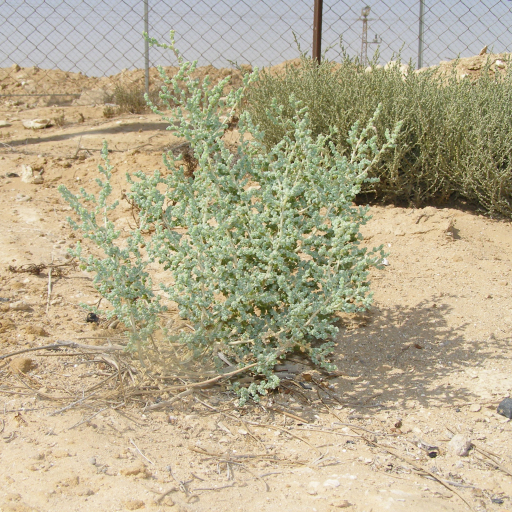
Known as the Allscale Saltbush or Cattle Saltbush, this desert native is the ultimate survivalist of the American Southwest. Often found shimmering in the heat of the Mojave or Sonoran deserts, it plays a vital role in providing cover and food for desert dwellers like the desert tortoise. Its name comes from its incredible ability to thrive in—and even excrete—extraordinary amounts of salt from its foliage.
🔍 How to Identify
- 🍃 The Leaves: Tiny, grayish-green, and oval-shaped. They are covered in a fine, mealy "scurf" that looks like a dusting of silver powder.
- 🌳 Growth Habit: A dense, intricately branched shrub that usually grows into a rounded mound about 3 to 6 feet tall. In the wild, it often looks like a "twiggy" or "scaly" cloud from a distance.
- 🌾 Winged Seeds: In late summer and fall, the plant produces inconspicuous flowers followed by tiny, papery, wing-like bracts that surround the seeds, giving the branches a fuzzy, textured appearance.
🏡 In Your Garden
- 🏜️ Xeriscape Hero: This plant is a "planting and forgetting" dream for those in arid climates. It hates "wet feet" and prefers deep, infrequent watering that mimics desert flash floods.
- 🧂 Soil Specialist: It thrives in heavy clay, alkaline, or salty soils where most other plants would wither. It actually helps stabilize soil and prevent erosion in harsh, wind-swept landscapes.
⚠️ Safety & Toxicity
- ✅ Generally Safe: The Allscale Saltbush is considered non-toxic to humans, cats, and dogs.
- 🐄 Livestock Note: While it is a valuable forage plant for cattle and sheep (providing essential minerals), it can occasionally accumulate high levels of nitrates or selenium if grown in specific types of contaminated soil.
✨ Fun Fact
- 🧂 The Salt Pump: Atriplex polycarpa has specialized "salt bladders" on its leaves. It activey pumps excess salt into these tiny bubbles on the leaf surface until they burst, effectively "sweating" out the salt to keep its internal tissues healthy!

Detailed Care Instructions
To grow Atriplex polycarpa (alkali sagebrush) plant, you can follow these steps:
- Obtain seeds or seedlings: You can get Atriplex polycarpa seeds from specialized nurseries or online stores. Alternatively, you can collect seeds from mature plants during summer.
- Determine the appropriate planting time: Alkali sagebrush is typically planted in early spring or fall when soil temperatures are cool.
- Prepare the soil: Alkali sagebrush prefers well-draining, alkaline soils. Clear the planting area of weeds, rocks, and debris. If necessary, amend the soil with organic matter like compost to improve drainage.
- Planting seeds: If you're using seeds, scarify them gently by nicking the seed coat with a knife or sandpaper. This helps improve germination. Sow the seeds directly into the prepared soil, at a depth of about 1/8 inch. Space the seeds or seedlings approximately 12-18 inches apart.
- Watering: Provide consistent moisture to the newly planted seeds or seedlings. Avoid overwatering, as Atriplex polycarpa is adapted to arid conditions and can tolerate drought once established.
- Sunlight and temperature: Alkali sagebrush thrives in full sun and can tolerate high temperatures during summers. Ensure the plant receives at least 6-8 hours of sunlight daily.
- Weed control: Regularly remove weeds from around the plants to prevent competition and allow them to grow without hindrance.
- Pruning and maintenance: Atriplex polycarpa does not typically require pruning. However, if necessary, you can trim back any overgrown or damaged branches. Additionally, remove any dead foliage to maintain the plant's overall health and appearance.
- Fertilization: Alkali sagebrush does not require regular fertilization. However, you can apply a slow-release, balanced fertilizer during the early growing season if the soil is particularly poor.
- Protect against pests and diseases: Alkali sagebrush is relatively resistant to pests and diseases. However, keeping the plant healthy through proper watering and maintenance practices will help prevent any potential issues.
Remember that growing conditions may slightly vary depending on your specific location and climate. Monitoring the plant's progress and adjusting care accordingly will help ensure successful growth of Atriplex polycarpa.

Place in a bright room that is sun drenched almost all day. Or directly in a south-facing window.

To properly water this plant, first check the soil moisture level by feeling the top inch of soil. If it feels dry, it's time to water the plant. Use a watering can or hose with a gentle stream to water the base of the plant until water starts to come out of the drainage holes at the bottom of the pot. Allow excess water to drain away, and do not let the plant sit in standing water. Water the plant deeply but infrequently, allowing the soil to dry out slightly before watering again. Avoid overhead watering or getting the leaves wet to prevent damage or disease.
To fertilize Atriplex Polycarpa, you should begin in the early spring or late fall and use a balanced fertilizer with an NPK ratio of 10-10-10. Spread the fertilizer around the base of the plant, ensuring that it does not come into contact with the foliage. Water the plant thoroughly after applying the fertilizer. Repeat this process every 4-6 weeks throughout the growing season. Avoid overfertilizing, as this can lead to excessive growth and reduced plant health.
Atriplex Polycarpa is a plant that requires well-drained soil. The soil should be fertile and have a good nutrient content. The pH level of the soil needs to be between 6.0 and 8.5. The plant needs a soil that is low in salt content as high salt content can lead to damage of plant roots. The soil for Atriplex Polycarpa should also be rich in organic matter. It is recommended to add compost or other organic matter to the soil before planting the Atriplex Polycarpa. The soil should also be able to hold moisture well, but not retain too much water as excess water can cause the roots to rot. Sandy loam soil is a good option for growing Atriplex Polycarpa plant.
To propagate this plant, take stem cuttings from mature healthy plants in the spring or summer. Cut a section of stem about 4-6 inches long just below a node. Remove the leaves from the bottom 2 inches of the stem. Dip the cut end of the stem in rooting hormone, then plant it in a pot filled with well-draining soil mix. Water the cutting, then cover it with a clear plastic bag to create a mini greenhouse. Place the potted cutting in a warm, bright location out of direct sunlight. Keep the soil moist but not waterlogged until roots form, which should take about 2-4 weeks. Once roots have formed, remove the plastic bag and gradually expose the plant to more light and less humidity over the course of a week before transplanting it to a larger pot or the garden.








