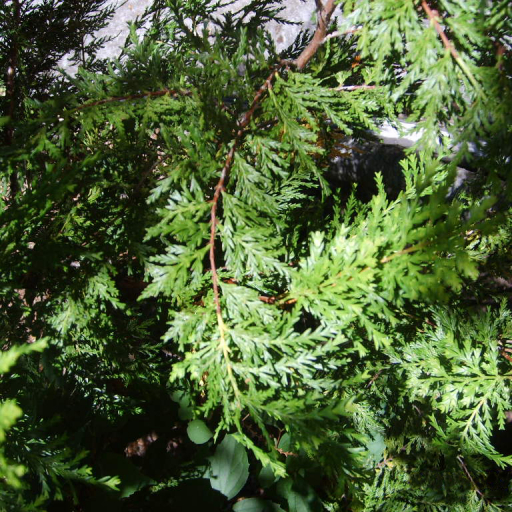
Plant Overview
Known as the Ciprés de la Cordillera (Cypress of the Mountain Range), this majestic evergreen is a true survivor of the rugged Andes. While it carries the common name "Chilean Cedar," it is actually a unique member of the Cypress family that has adapted to thrive where few other trees can. In its native Chile and Argentina, it is a symbol of resilience, often seen clinging to steep, rocky slopes and framing breathtaking mountain vistas.
🔍 How to Identify
- 🌿 Growth Habit: It typically grows in a neat, pyramidal or conical shape when young, becoming more irregular and "sculpted" by the wind as it matures.
- 🍃 Fan-like Foliage: The leaves are not needles but small, scale-like structures pressed tightly to the stems, arranged in flattened, fern-like sprays that feel slightly rough to the touch.
- 🌲 Fibrous Bark: The trunk features thick, reddish-brown bark that develops deep, vertical fissures as the tree ages, providing a rugged, textured look.
🏡 In Your Garden
- 🏔️ Mountain Hardiness: Because it hails from high-altitude rain shadows, this tree is exceptionally drought-tolerant once established. It craves "lean" soil—avoid heavy clays and focus on gritty, well-draining spots that mimic its rocky homeland.
- 🌬️ Wind & Space: Unlike many ornamental conifers that prefer sheltered corners, the Chilean Cedar loves air circulation and can act as a stunning, hardy windbreak. Just be sure to plant it in its "forever home" early, as its deep taproot makes it very grumpy if moved later in life.
⚠️ Safety & Toxicity
- 🟢 Non-Toxic: Austrocedrus chilensis is generally considered non-toxic to humans, dogs, and cats. It is a safe choice for family landscapes.
- 🧴 Resin Sensitivity: The tree produces a fragrant resin. While not poisonous, this sap can be sticky and may cause mild skin irritation for people with sensitive skin during heavy pruning; wearing gloves is a smart precaution.
✨ Fun Fact
These trees are true ancient witnesses; some specimens in the wild have been tree-ring dated to be over 1,000 years old! Because they grow so slowly in harsh conditions, their wood is incredibly dense and rot-resistant, which is why they were historically prized for building mountain outposts.

Detailed Care Instructions
Growing Austrocedrus chilensis, commonly known as the Chilean cedar, requires careful planning and appropriate conditions. Here is a step-by-step guide to help you successfully grow the plant:
- Climate: Austrocedrus chilensis thrives in cool temperate regions with a Mediterranean climate. It prefers mild summers and cool, wet winters. Ensure that your climate matches these conditions.
- Soil: The plant prefers well-draining, slightly acidic soil. If your soil is heavy or clayey, amend it with organic matter like compost or peat moss to improve drainage.
- Planting location: Select a spot that receives full sun or partial shade. It should also be protected from strong winds, as young plants can be easily damaged.
- Planting time: Spring or early fall is the ideal time to plant Austrocedrus chilensis. This allows the plant to establish roots before the harsh weather of summer or winter.
- Planting process: Dig a planting hole that is twice as wide and deep as the root ball. Carefully place the plant in the hole, ensuring it sits at the same depth it was previously growing. Fill the hole back up with soil, gently firming it around the roots.
- Watering: The plant requires regular watering during its initial growth phase. Keep the soil evenly moist but avoid overwatering, as excessive moisture can lead to root rot.
- Mulching: Apply a layer of organic mulch around the base of the plant, such as wood chips or straw. This helps retain moisture, suppresses weed growth, and insulates the soil during extreme temperatures.
- Pruning: Austrocedrus chilensis typically doesn't require heavy pruning. However, you can shape it lightly to maintain a desired form. Prune any dead, damaged, or crossing branches in late winter or early spring.
- Fertilization: If your soil lacks nutrients, consider applying a balanced slow-release fertilizer in spring. Follow the instructions on the fertilizer packaging for the appropriate application rates.
- Protection: Protect young plants from extreme temperatures, strong winds, and frost by covering them with burlap or other protective materials during the winter months.
- Maintenance: Monitor the plant for signs of pests or diseases. Common issues include scale insects and fungal diseases. Promptly address these issues using appropriate organic or chemical treatments.
Remember that Austrocedrus chilensis is a slow-growing tree that requires patience. With proper care and suitable conditions, it can eventually grow into a magnificent specimen.
To properly water this plant, make sure to thoroughly check the soil for moisture content before watering. The soil should be slightly damp but not overly saturated. Watering frequency will depend on the climate and time of year, but generally, this plant prefers a consistent moisture level. Avoid letting the soil dry out completely or sitting in standing water. Try to water at the base of the plant to avoid wetting the foliage, which can cause disease. Consider using a drip irrigation system or watering can to control the amount of water given to the plant.
To fertilize the Austrocedrus Chilensis plant, begin by selecting a slow-release fertilizer with a low nitrogen content. During the growing season, apply the fertilizer evenly around the drip line of the plant, avoiding direct contact with the trunk or stem. Use a rake or cultivator to mix the fertilizer into the topsoil and water thoroughly after application. For best results, fertilize every six to eight weeks during the growing season. Avoid fertilizing in winter, when the plant is dormant.
A suitable soil for this plant should be well-draining, slightly acidic with a pH range of 5.0-6.5, and rich in organic matter. It should be able to hold moisture, yet not be waterlogged as this can lead to root rot. Adding perlite, sand or gravel to the soil can improve drainage. It is also beneficial to amend the soil with compost or aged manure. The plant prefers a soil that is moderately fertile, not too rich in nutrients. It is recommended to avoid heavy clay soils or soils with high alkaline content.
To propagate this plant, take cuttings from healthy, mature specimens. Use a sharp, sterile tool to take a cutting about 6 inches in length. Remove the lower leaves from the cutting, leaving about 2 inches of stem bare. Dip the cut end of the cutting into rooting hormone powder, then plant it in a container filled with well-draining soil. Keep the soil moist and place the container in a warm, bright location. After a few weeks, the cutting should develop roots and new growth. Transplant the rooted cutting into a larger container or outside into a prepared bed.








