Plant Overview
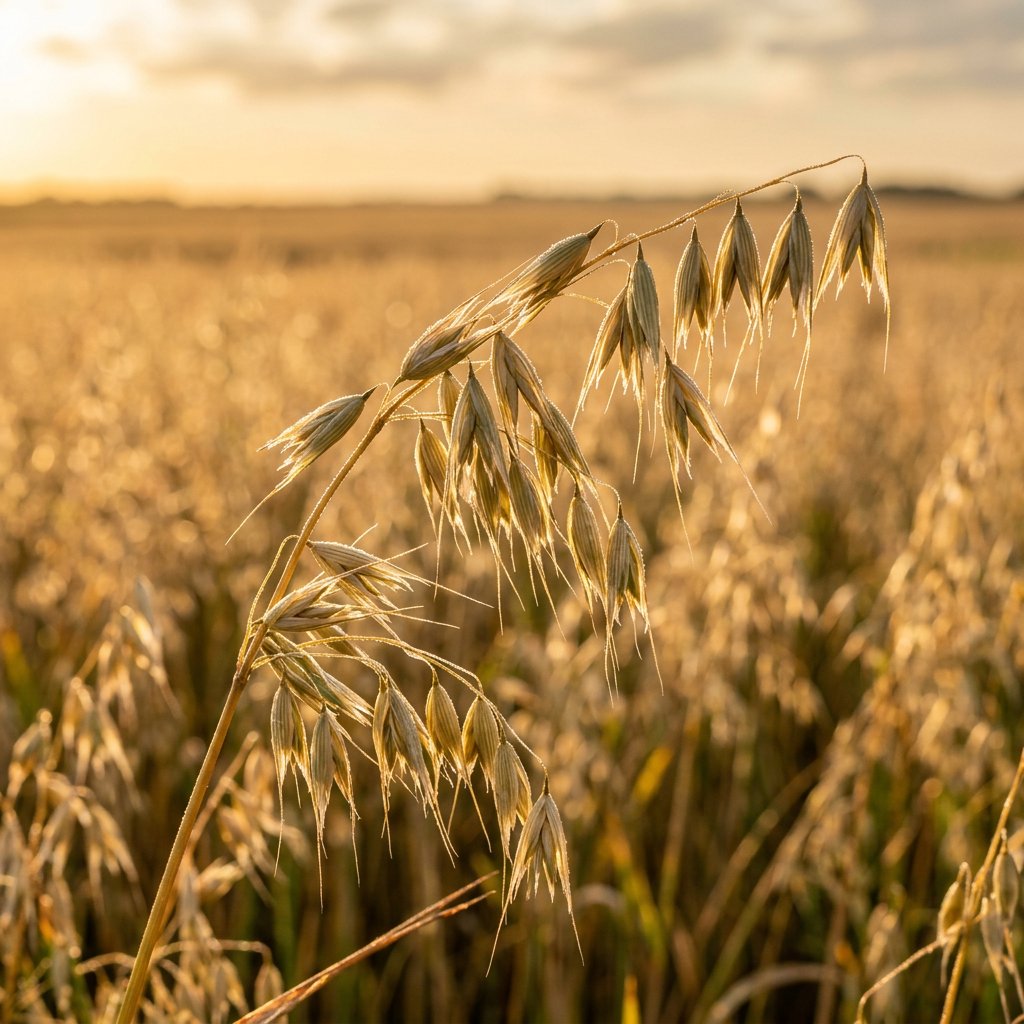
Known globally as the Common Oat, Avena sativa is much more than just a morning cereal. While it famously started its journey as a nuisance weed sneaking into ancient wheat fields, it eventually earned its place as a nutritional powerhouse and a soothing skincare ingredient. Whether swaying in a vast golden field or grown in a small windowsill pot as "cat grass," its delicate, dangling seed heads are a hallmark of the pastoral landscape.
🔍 How to Identify
- 🌾 The Panicle: Unlike the tight, upright spikes of wheat or barley, oats grow in loose, branching clusters called panicles. The grains hang downward like tiny, heavy bells.
- 🍃 The Leaves: The leaves are flat, elongated green blades that often have a distinct "twist" or spiral as they grow upward from the stem.
- 🧥 The Glumes: Each grain is protected by large, papery husks (glumes) that turn from a vibrant green to a pale straw color as the plant matures.
🏡 In Your Garden
- 🌱 Cool Season Specialist: Oats are "cool-season" annuals. They prefer the soft light of spring or autumn and tend to struggle or "bolt" (go to seed too quickly) during the scorching heat of mid-summer.
- 🐱 Indoor Pet Grass: If you aren't farming for grain, Avena sativa is the most common choice for "cat grass." It provides essential fiber for indoor pets and is incredibly easy to grow in a shallow pot with well-draining soil and a sunny windowsill.
⚠️ Safety & Toxicity
- ✅ Generally Safe: Avena sativa is non-toxic to humans, dogs, cats, and horses. It is widely used in both human diets and as high-quality forage for livestock.
- 🌾 The Gluten Context: While oats are naturally gluten-free, they are frequently grown near or processed in the same facilities as wheat. For those with severe gluten sensitivities, only "certified gluten-free" seeds or products should be used.
✨ Fun Fact
Oats were the last of the major cereal grains to be domesticated. For centuries, they were viewed as "vandal" weeds that plagued Roman and Greek farmers. It wasn't until people moved into the colder, wetter climates of Northern Europe—where wheat refused to grow—that they finally realized the oat was a survivor worth keeping!

Detailed Care Instructions
To grow Avena Sativa, also known as the common oat plant, follow these steps:
- Choose a suitable location: Select a location that receives full sunlight or partial shade. Avena Sativa thrives in a well-draining soil that is rich in organic matter.
- Prepare the soil: Loosen the soil using a garden fork or tiller to a depth of about 6 inches. Remove any weeds or debris from the planting area.
- Sow the seeds: Scatter the oat seeds evenly over the prepared soil. Cover the seeds with a thin layer of soil, about 1/4 to 1/2 inch deep. Lightly tamp the soil down to ensure good seed-to-soil contact.
- Water thoroughly: Moisten the soil gently with water until it is evenly damp but not soggy. Continue to keep the soil moist throughout the growing season. Oats require consistent moisture for optimal growth.
- Provide fertilizer: Apply a balanced fertilizer, such as a 10-10-10 or 12-12-12, according to the package instructions. This will provide necessary nutrients for healthy plant development.
- Control weeds: Regularly remove any weeds that compete with the oat plants for nutrients and water. Hand-pulling or using a shallow hoe can be effective methods.
- Monitor for pests and diseases: Keep an eye out for common oat pests, such as aphids or slugs. Take appropriate measures, such as using organic insecticides or physical barriers, to protect your plants from these pests.
- Harvest: Harvest the oats when the majority of the spikelets have turned a golden color but are not completely dry. Cut the oats just above the ground level using a sharp pair of shears or a sickle.
- Dry and store: After harvesting, hang the cut oats upside down in a dry, well-ventilated area to continue drying. Once fully dry, thresh the oats by beating them to separate the kernels from the straw. Store the kernels in a cool, dry place in an airtight container.
By following these steps, you can successfully grow Avena Sativa and enjoy the benefits of freshly harvested oats.

Place in a window with dappled sun or a spot in the middle of a room. Or directly in a window facing west or east.
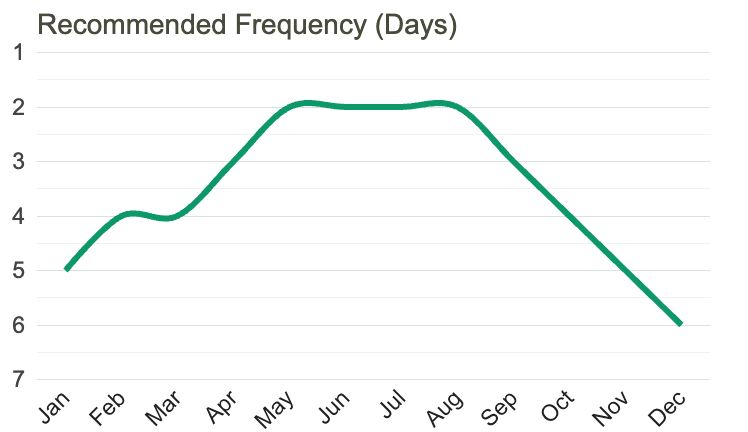
To properly water this plant, it is recommended to first check the moisture level of the soil by using a moisture meter or simply sticking a finger into the soil up to the second knuckle. If the soil feels dry, water the plant thoroughly until water runs out of the drainage holes at the bottom of the pot. Ensure that the plant is not left sitting in standing water as this can lead to root rot. Water the plant again when the top inch of soil feels dry to the touch. It is important to avoid overwatering as this can also harm the plant.
- Mix a balanced fertilizer that's high in nitrogen and low in phosphorus and potassium.
- Apply the fertilizer to the soil at the base of the plant, taking care not to let it touch the stems or leaves.
- Water the plant well after fertilizing to help the nutrients soak into the soil.
- If growing the plant in a container, fertilize once a month during the growing season and reduce fertilization frequency during the dormant season.
- Avoid over-fertilization, which can cause burning and damage to the plant.
The recommended soil type for Avena Sativa plant is loamy soil, which has a good drainage system and is rich in organic matter. The pH of the soil should be between 6.0 to 7.0, which is slightly acidic to neutral. The plant prefers well-draining soil that is moist but not waterlogged. The soil should be worked deeply to allow for good root growth. If the soil is compacted, it can lead to poor growth and yield. It is also recommended to add a slow-release fertilizer to the soil before planting to provide nutrients throughout the growing season. The soil should be tested regularly to ensure that it has the optimal pH and nutrient levels for the plants to thrive.
Avena Sativa is a plant that can be propagated through seed or division.
To propagate through seed, select healthy and mature seeds from the plant and soak them in water overnight. The next day, plant the seeds in a well-draining soil mix, covering them lightly with soil. Water the soil and keep it moist until germination occurs.
To propagate through division, carefully dig up the plant and gently separate the roots and shoots into smaller sections. Each section should have several healthy roots and shoots. Plant each division in a new container or in the ground, making sure to water it well.
It is important to keep the newly propagated plants in a warm and moist environment until they are established. Once the plants have become established, they can be cared for in the same way as mature plants.
Common pests of the oat include Spider mites. Make a habit of checking your oat frequently for pests so that any infestations can be caught and managed early.








