Plant Overview
Commonly known as Jentik-jentik in its native Southeast Asian home, Baccaurea polyneura is a tropical treasure often found nestled in the lowland rainforests of Malaysia, Thailand, and Sumatra. It is a member of the Phyllanthaceae family and is beloved by locals for its refreshing, tangy fruits that hang like ornaments from its branches. In a garden setting, it provides a lush, deep-green canopy that evokes the feeling of a true equatorial jungle.
🔍 How to Identify
- 🍃 "Many-Nerved" Leaves: True to its name (polyneura means "many nerves"), the leaves feature strikingly prominent, parallel veins that create a beautiful ribbed or "quilted" texture on the surface.
- 🍇 Pendant Clusters: The tree produces long, drooping strings of fruit (racemes) that can reach up to 30 centimeters in length, dangling elegantly from the branches.
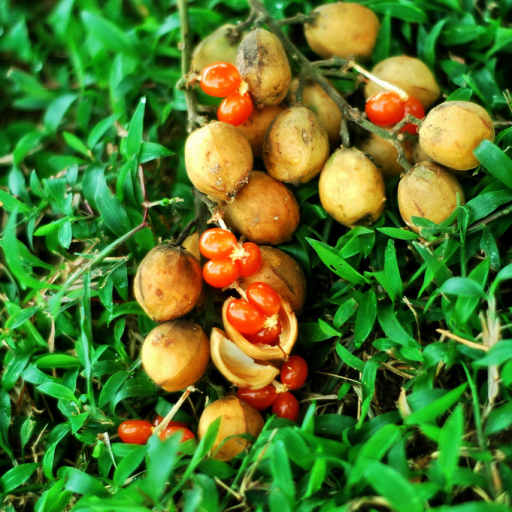
- 🍑 Velvety Fruit: The globose fruits are covered in a fine, velvety down. They transition from a pale green to a warm yellow-orange or brownish-red as they reach maturity.
🏡 In Your Garden
- ☁️ Humidity is King: Because it hails from the steaming understory of the rainforest, this plant thrives in high humidity. It struggles in dry, drafty areas, so it’s best suited for conservatories or tropical outdoor climates.
- 🌳 The Taproot Factor: Baccaurea polyneura develops a strong, deep taproot early in its life. This makes it quite drought-tolerant once established, but it also means it "hates" being transplanted; choose its permanent home wisely to avoid root shock.
⚠️ Safety & Toxicity
- ✅ Generally Safe: The fruit of the Jentik-jentik is edible and often sold in local markets for its sweet and acidic pulp.
- 🐾 Pet Considerations: While the fruit is not known to be toxic to cats or dogs, the seeds are relatively large and firm. To be safe, ensure pets don't ingest the seeds, which could pose a choking hazard or cause digestive blockages in smaller animals.
✨ Fun Fact
The common name "Jentik-jentik" comes from the Malay word for "flicking." This refers to the traditional way of eating the fruit: you give the skin a light "flick" or squeeze with your fingers, and the skin neatly pops open to reveal the succulent, translucent segments inside!

Detailed Care Instructions
To grow Baccaurea Polyneura plant, follow these steps:
- Choose a suitable location: Select a spot that receives partial shade or filtered sunlight. The plant prefers a warm, tropical climate, so ensure the temperature remains above 60°F (15°C).
- Prepare the soil: The plant grows well in well-draining soil enriched with organic matter. If the soil in your garden is heavy clay, amend it with compost or peat moss to improve drainage.
- Planting: Dig a planting hole that is slightly wider and deeper than the plant's current container. Gently remove the plant from its pot, loosen the roots, and place it in the hole. Backfill the hole with soil and firm it gently around the base of the plant.
- Watering: Baccaurea Polyneura prefers consistently moist soil but should not be waterlogged. Water the plant regularly, especially during dry periods. When established, reduce watering but do not allow the soil to completely dry out.
- Fertilization: Apply a balanced, slow-release fertilizer in spring and summer to provide necessary nutrients. Follow the instructions on the packaging to avoid over-feeding.
- Pruning: Regular pruning can help maintain the plant's shape and improve airflow. Remove any dead, damaged, or diseased branches. Prune lightly to encourage new growth.
- Mulching: Apply a layer of organic mulch around the plant to help retain moisture and prevent weed growth. Keep the mulch a few inches away from the plant's base to avoid rotting.
- Pests and diseases: Monitor the plant regularly for signs of pests like aphids, mealybugs, or scale insects. If pests are present, treat them with suitable organic or chemical insecticides. Baccaurea Polyneura is generally disease-resistant.
- Propagation: The plant can be propagated through seeds or cuttings. Collect seeds from ripe fruits and sow them in a well-draining seed-starting mix. Keep the soil moist until germination. Cuttings can be taken from healthy, mature plants and rooted in a suitable rooting medium.
With proper care and attention, your Baccaurea Polyneura plant should thrive and grow into a healthy and beautiful specimen.
Baccaurea polyneura is a tropical plant that requires regular watering to thrive. Here is a detailed guide on how to water this plant effectively:
- Observe the soil moisture: Before watering, check the moisture level of the soil by inserting your finger about an inch deep into the soil. If it feels dry, it's time to water.
- Use suitable water: Baccaurea polyneura prefers lukewarm water. Avoid using cold water as it can shock the plant and hinder its growth. Ideally, allow tap water to sit at room temperature for a few hours before using it for watering.
- Water thoroughly: When watering, ensure that the entire root ball is moistened uniformly. Slowly pour water around the base of the plant, avoiding foliage if possible. Watering until the excess starts to drain from the bottom of the pot ensures adequate hydration.
- Frequency of watering: Baccaurea polyneura appreciates consistently moist soil. Depending on the environmental conditions, you might need to water it 2-3 times per week during warmer months. In cooler months, reduce the frequency to once a week.
- Adjust watering schedule: While regular watering is vital for Baccaurea polyneura, it's important to consider factors like humidity, temperature, and rain. Adjust the watering schedule accordingly, ensuring that the soil remains moist but not waterlogged.
- Monitor the plant's response: After watering, observe how the plant reacts. If the leaves look plump and healthy, it indicates that the plant is well-hydrated. However, if the leaves appear wilted or yellowed, it might indicate insufficient watering or excess moisture in the soil.
- Consider environmental factors: Factors like temperature, humidity levels, and pot size affect the plant's water requirements. On hotter days or in drier environments, the plant may need more frequent watering. Additionally, smaller pots tend to dry out faster and may require more frequent watering.
Remember that each plant's water needs may vary slightly, so it's crucial to monitor the specific requirements of Baccaurea polyneura in your care. By paying attention to the soil moisture and adapting your watering routine accordingly, you can provide the appropriate hydration for healthy growth and development.
To properly fertilize the Baccaurea Polyneura plant, follow these instructions:
- Choose a balanced fertilizer: Look for a fertilizer with an NPK ratio of 10-10-10 or a similar balanced formulation. This will provide the plant with a good mix of essential nutrients.
- Dilute the fertilizer: Follow the manufacturer's instructions to dilute the fertilizer with water. The exact concentrations may vary depending on the brand.
- Apply during the growing season: Fertilize the plant during the active growing season, which is typically spring and summer. Avoid fertilizing in winter or when the plant is dormant.
- Water the plant: Before applying the fertilizer, water the plant thoroughly. This will ensure that the soil is adequately moist, allowing the roots to absorb the nutrients more effectively.
- Apply the fertilizer: Pour the diluted fertilizer solution around the base of the plant, making sure to avoid direct contact with the leaves. Alternatively, you can use a watering can or a spray bottle to apply the fertilizer evenly over the soil surface.
- Avoid over-fertilization: While fertilizing, remember that less is often better than more. Over-fertilization can harm the plant rather than benefit it. If in doubt, it's best to follow the recommended dosage provided by the fertilizer manufacturer.
- Monitor the plant's response: Keep a close eye on the plant after fertilization. Watch for any signs of nutrient deficiencies or excesses, such as yellowing or browning leaves. Adjust the fertilizer application accordingly if needed.
- Rinse the foliage: If any fertilizer accidentally gets on the leaves, gently rinse them with water to prevent potential damage.
- Follow a fertilization schedule: For optimal growth, fertilize the Baccaurea Polyneura plant regularly. A general rule of thumb is to fertilize every 4-6 weeks during the active growing season. However, pay attention to the specific needs of your plant and adjust the frequency if necessary.
Remember, always consult local gardening guidelines and consider the specific requirements of your Baccaurea Polyneura plant for the best results.
When choosing the appropriate soil for Baccaurea Polyneura, it is essential to consider its natural habitat and preferences. Baccaurea Polyneura is a tropical plant native to certain regions, so replicating its natural environment is key to its success.
- Drainage: Baccaurea Polyneura prefers well-draining soil to prevent waterlogging and root rot. Therefore, it is suggested to use a soil mix that allows excess water to drain freely. Good drainage also helps prevent fungal diseases and ensures sufficient oxygen reaches the roots.
- Organic Matter: Baccaurea Polyneura thrives in soil enriched with organic matter. Incorporating organic compost or well-rotted manure helps improve the soil structure, enhances nutrient retention, and promotes healthy root development. This plant benefits from the nutrients released slowly by decomposing organic matter.
- pH Level: Baccaurea Polyneura generally prefers slightly acidic to neutral soil ranging from pH 5.5 to 7.0. It is crucial to ensure that the soil pH suits this range to maintain optimal nutrient absorption. A soil pH testing kit or meter is useful in determining the acidity or alkalinity of the soil.
- Moisture Retention: While good drainage is necessary, Baccaurea Polyneura appreciates soil that retains moisture without becoming waterlogged. A slightly moisture-retentive soil allows the plant's roots to obtain sufficient water, especially during dry periods. Coconut coir or peat moss can be added to help retain moisture.
- Aeration: Ensuring the soil has proper aeration is important to prevent water stagnation and promote root health. Adding perlite or vermiculite to the soil mix helps create air pockets, allowing the roots to breathe and absorb nutrients effectively.
- Texture: Baccaurea Polyneura prefers soil with a loose and friable texture that allows for easy root penetration and encourages healthy growth. Loamy soil, which is a balanced mix of sand, silt, and clay, is generally suitable for this plant. A mix with a higher proportion of sand can improve drainage, while the addition of compost or organic matter enhances its moisture retention capacity.
Overall, the ideal soil for Baccaurea Polyneura should be well-draining, rich in organic matter, slightly acidic to neutral in pH, capable of retaining moisture without becoming waterlogged, properly aerated, and have a loose texture for root development.
To propagate Baccaurea Polyneura plant, follow these steps:
- Start by collecting ripe fruit from a mature Baccaurea Polyneura plant. Carefully remove the seeds from the fruit pulp.
- Fill a container with a well-draining potting mix, preferably a mix of peat, perlite, and sand. Ensure that the container has drainage holes.
- Moisten the potting mix slightly, ensuring it is damp but not soggy. This will provide a suitable environment for the seeds to germinate.
- Place the Baccaurea Polyneura seeds on top of the potting mix, spacing them evenly apart. Lightly press the seeds into the soil to ensure good seed-to-soil contact.
- Cover the container with a clear plastic bag or use a propagation dome to create a mini greenhouse effect. This will help retain moisture and create a humid environment for seed germination.
- Place the container in a warm and bright location, but away from direct sunlight. A temperature between 75-85°F (24-29°C) would be ideal for seed germination.
- Check the moisture level of the potting mix regularly and mist with water as needed to maintain a consistently damp environment. Avoid overwatering, as this could lead to rotting.
- Be patient, as germination can take anywhere from a few weeks to a few months with Baccaurea Polyneura seeds. Monitor the container regularly for any signs of germination, such as seedlings emerging from the soil.
- Once the seedlings are large enough to handle, they can be transplanted into individual pots. Gently remove each seedling from the container, being careful not to damage the tender roots.
- Plant each seedling into a well-draining potting mix in its own container. Provide the newly potted plants with bright, indirect light, and gradually expose them to longer periods of direct sunlight as they grow.
- Water the plants regularly, ensuring the soil remains evenly moist but not waterlogged. Fertilize with a balanced liquid or slow-release fertilizer according to the package instructions.
By following these steps, you should be able to successfully propagate Baccaurea Polyneura plant and grow new plants from seeds.








