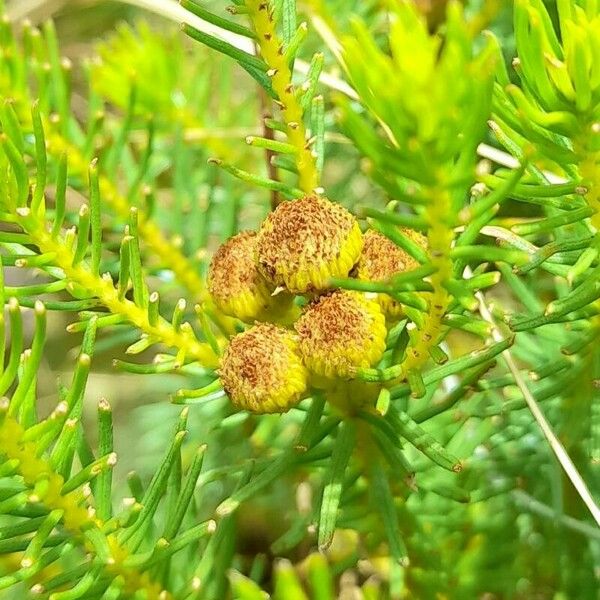
Plant Overview
Known as the Alien Baccharis or Strange Broom, this hardy evergreen shrub is a resilient survivor native to the rocky canyons and dry slopes of the Southwestern United States and Mexico. While its scientific name aliena might sound like it’s from another planet, it actually refers to its "foreign" or distinct appearance compared to its more common desert relatives. It is a structural powerhouse in arid landscapes, providing a lush green backdrop even in the height of summer.
🔍 How to Identify
- 🍃 Willow-like Leaves: The leaves are narrow, elongated, and bright green, closely resembling a willow tree but with a much tougher, leathery feel.
- 🍯 Resinous Texture: If you touch the foliage, it often feels slightly sticky; this natural resin acts as a "sunscreen" and moisture seal to protect the plant from intense heat.
- 🌼 Tufted Flowers: It produces small, inconspicuous cream-colored flower heads that eventually turn into fluffy, white seed heads that look like tiny clouds caught in the branches.
🏡 In Your Garden
- 🏜️ Xeriscape Hero: This is a "set it and forget it" plant for dry climates. It thrives in poor, rocky soil and requires almost no supplemental watering once its root system is established.
- 🦋 Pollinator Cafe: While the flowers aren't showy to humans, they are a vital nectar source for native bees, wasps, and butterflies during the late summer and autumn months.
- 🛡️ Erosion Control: Because of its deep and tenacious root system, it is frequently used to stabilize slopes and prevent soil runoff in desert gardens.
⚠️ Safety & Toxicity
- ✅ Low Toxicity: Baccharis aliena is generally considered non-toxic to humans and common pets like dogs and cats.
- 🤧 Allergy Note: Because it is a member of the Aster family, its wind-dispersed pollen can be a nuisance for people who suffer from seasonal hay fever.
- 🔥 Flammability: Like many resinous desert shrubs, it can become quite flammable if allowed to accumulate dead wood; keep it pruned and clear of structures in fire-prone areas.
✨ Fun Fact
The genus name Baccharis is named after Bacchus, the Roman god of wine. While you can't make wine from this shrub, ancient Greeks used related species to create spicy floral garlands for festivals!

Detailed Care Instructions








