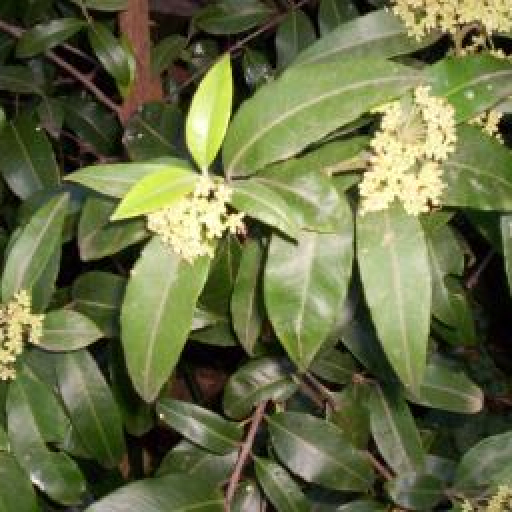
Plant Overview
Often hailed as the "Queen of Lemon Herbs," the Lemon Myrtle is a sensory masterpiece originating from the lush subtropical rainforests of Queensland, Australia. This elegant evergreen is famous for its leaves, which contain the highest purity of citral (the compound responsible for lemon scent) of any plant in the world—even more than actual lemons! Whether used as a culinary spice, a soothing tea, or a fragrant garden centerpiece, it brings a refreshing, zesty energy to any space.
🔍 How to Identify
- 🍃 Aromatic Foliage: The most distinct feature is the scent; crushing a leaf releases an explosive, sweet lemon-lime aroma that lingers on the fingertips.
- 🌿 Leaf Texture: The leaves are lance-shaped (pointed), glossy dark green, and have slightly wavy edges with a prominent central vein.
- ☁️ Feathery Blooms: In summer, the tree produces dense clusters of creamy-white flowers that look like tiny, fuzzy stars due to their long, protruding stamens.
🏡 In Your Garden
- 💧 Rainforest Roots: Because it originates in the rainforest, it appreciates high humidity and consistent moisture. However, it requires well-draining soil; "wet feet" or stagnant water will quickly lead to root rot.
- ✂️ Pruning for Harvest: While it can grow into a tall tree in the wild, garden hobbyists should prune it regularly. This keeps the plant at a manageable shrub height and encourages the growth of fresh, tender leaves for harvesting.
- 🥶 Frost Sensitivity: This plant is quite tender when young. If you live in a cooler climate, it’s best kept in a large pot that can be moved indoors or to a sheltered patio during the winter months.
⚠️ Safety & Toxicity
- ✅ Edible Status: The leaves are non-toxic and widely used in cooking, teas, and desserts. They are considered safe for humans and most pets in leaf form.
- 💧 Essential Oil Caution: While the leaves are safe, the concentrated essential oil is incredibly potent. It should always be diluted before skin contact and kept away from cats and dogs, who may be sensitive to strong citrus oils.
✨ Fun Fact
Lemon Myrtle contains up to 98% citral, making it more "lemony" than a lemon itself, which typically only contains about 3% to 10% of the compound!

Detailed Care Instructions
Here are some steps to help you grow Backhousia Citriodora plant:
- Choose a suitable location: Select a spot that receives full sun or partial shade. The soil should be well-draining and rich in organic matter.
- Obtain a healthy plant: Purchase a healthy Backhousia Citriodora plant from a reputable nursery or garden center.
- Prepare the soil: Dig a hole that is slightly larger than the root ball of the plant. Amend the soil with compost or well-rotted manure to improve fertility and drainage.
- Planting: Gently remove the plant from its container and place it in the hole you have prepared. Ensure that the top of the root ball is level with or slightly above the ground surface. Backfill the hole with soil, firming it gently around the base of the plant.
- Watering: Water the plant thoroughly after planting to settle the soil and help establish root growth. Keep the soil consistently moist but not waterlogged.
- Mulching: Apply a layer of organic mulch, such as wood chips or straw, around the base of the plant. Mulching helps retain moisture, suppresses weeds, and maintains a more consistent soil temperature.
- Pruning: Once the plant has established, you can prune it lightly to maintain shape or remove any dead or damaged branches.
- Fertilizing: Backhousia Citriodora plants generally do not require heavy fertilization. However, you can apply a balanced, slow-release fertilizer once a year in early spring to promote healthy growth.
- Protection from frost: If you live in an area with frost, you may need to protect the plant during colder months. Cover it with a frost cloth or bring it indoors to a sheltered location.
- Regular care: Monitor the plant for any signs of pests or diseases. Regularly water, especially during dry periods, and provide adequate sunlight for optimal growth.
By following these steps and providing proper care, you should be able to successfully grow Backhousia Citriodora plant.

Place in a bright room that is sun drenched almost all day. Or directly in a south-facing window.

To properly water this particular plant, you should ensure that the roots are soaked thoroughly but not sitting in standing water. It is important to monitor the soil's moisture levels and wait until the surface of the soil feels dry before watering again. Ensure that the water is reaching the root zone by watering at the base of the plant, rather than directly on top of the leaves. It is also recommended to use room temperature water to avoid any shock to the plant's roots.
Apply a slow-release, balanced fertilizer with equal ratios of nitrogen, phosphorus, and potassium in early spring before new growth appears. Alternatively, use an organic fertilizer high in nitrogen. Apply the fertilizer evenly over the soil around the plant, taking care not to exceed the recommended dosage. Water thoroughly after fertilizing. Repeat the fertilization process once or twice during the growing season if necessary. Avoid fertilizing during the dormant period.
The ideal soil for a certain plant is one that has good drainage and aeration, as well as nutrients that are beneficial to the plant's growth. It is recommended to use soil that has a pH level between 5.5 to 7.0, which is slightly acidic to neutral.
For this particular plant, it is suggested to use a soil mixture that consists of equal parts of peat moss, sand, and perlite. This combination will create a well-draining and lightweight soil that is ideal for this shrub.
To ensure that the soil stays moist but not saturated, it is recommended to water the plant deeply once or twice a week, depending on the climate and the soil's ability to retain moisture. It is also important to avoid overwatering, as excessive moisture can lead to root rot and other fungal diseases.
In addition to watering, it is recommended to fertilize the plant once every two to three months using a balanced, slow-release fertilizer. This will provide the necessary nutrients for the plant's growth and help it thrive in its environment.
Backhousia Citriodora can be propagated by taking semi-hardwood cuttings in the summer. The cuttings should be about 4-6 inches long and have at least two leaf nodes. Remove all the leaves except for the top two. Dip the bottom of the cutting in rooting hormone and insert it into a pot filled with a mixture of coarse sand and peat moss. Water the cutting and cover it with a plastic bag to create a humid environment. Keep the cutting in a shaded area and mist it regularly to keep the moisture level high. After a few weeks, the cutting should root and can be gradually exposed to brighter light.
Common pests of the lemon myrtle include Scale insect, mealybugs, spider mites, aphids. Make a habit of checking your lemon myrtle frequently for pests so that any infestations can be caught and managed early.








