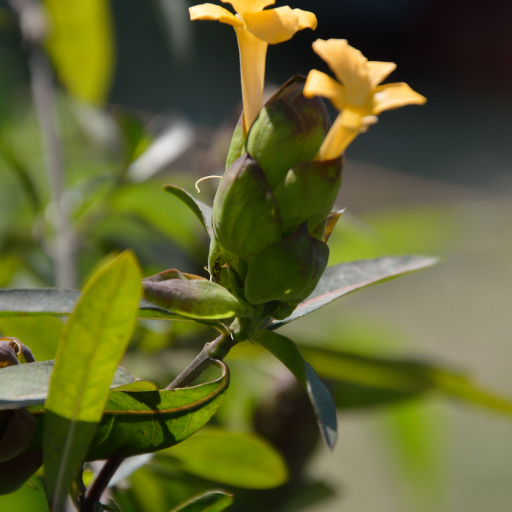
Plant Overview
Known as the Hop-headed Barleria or the Snake Bush, this striking shrub is a favorite among collectors of unusual tropical flora. Native to Mauritius and parts of Southeast Asia, it earned its "hop" nickname because its flower spikes look remarkably like the green, scaly hops used in brewing. Beyond its beauty, it is a staple in traditional herbal medicine, often used as a first-aid plant for skin irritations.
🔍 How to Identify
- 🍃 The Crimson Line: The most striking feature is its narrow, dark-green leaves, which are divided perfectly by a vibrant, reddish-purple midrib that glows when hit by sunlight.
- 🌼 Hop-like Bracts: The flowers emerge from a dense, overlapping cluster of purple-tinged green bracts. From these "cones," delicate, tubular yellow flowers peek out.
- ⚔️ Sharp Protectors: If you look closely at the base of the leaves (the nodes), you will find pairs of sharp, downward-pointing spines that protect the plant from grazing animals.
🏡 In Your Garden
- ☀️ Sun & Structure: This plant loves the sun but is a rugged survivor. It develops a deep taproot, which makes it incredibly drought-tolerant once established, but also means it hates being moved—pick its permanent home carefully!
- ✂️ Shape & Spread: Because it can grow quite leggy and wild, it responds well to heavy pruning. In many tropical regions, it is used as a "living fence" because its dense growth and spines create a natural, beautiful security barrier.
⚠️ Safety & Toxicity
- 🌵 Physical Risk: The primary danger of the Barleria lupulina is its spines. They are very sharp and can easily puncture skin or gardening gloves, causing painful scratches.
- 🐾 Pet Safety: While not considered highly toxic, it is not an edible plant. Keep it away from curious pets who might try to chew on the leaves, as the spines can cause mouth or throat injuries.
✨ Fun Fact
In Thailand and India, this plant is famously known as a "snake bite" remedy. While modern medicine should always be the first choice, traditional healers create a paste from the leaves to neutralize the sting of insects and even as a folk treatment for venomous bites!

Detailed Care Instructions
To grow Barleria Lupulina (also known as Yellow Bush), you can follow these steps:
- Location: Choose a sunny spot in your garden or balcony that receives at least 4-6 hours of direct sunlight per day. This plant prefers warm temperatures and cannot tolerate frost.
- Soil: Barleria Lupulina prefers well-draining soil. Prepare the soil by adding compost or organic matter to improve its fertility and drainage.
- Watering: Water the plant regularly, keeping the soil moist but not soggy. Allow the top few inches of soil to dry out between waterings. During hot summer months, you may need to water more frequently.
- Fertilizer: Apply a balanced, slow-release fertilizer during the growing season (spring to fall) to promote healthy growth. Follow the instructions on the fertilizer packaging for the correct dosage.
- Pruning: Prune the plant to maintain its shape and size. Remove any dead or damaged stems or branches as needed. Pruning will also help to stimulate new growth and flowering.
- Pests and diseases: Monitor the plant for any signs of pests such as aphids or mealybugs. Treat them with an appropriate insecticide or try natural remedies like neem oil or soapy water. Make sure to check for any signs of diseases such as leaf spots or powdery mildew and treat them accordingly.
- Propagation: Barleria Lupulina can be propagated from stem cuttings. Take a 4-6 inch cutting from a healthy plant, remove the lower leaves, and plant it in a pot filled with well-draining soil. Keep the soil slightly moist and place the pot in a warm and bright location, and roots should develop in a few weeks.
Remember to regularly check and meet the plant's specific care requirements for optimal growth and flowering.
Barleria Lupulina is a plant species that requires watering regularly to maintain its growth and health. The watering schedule for this plant depends on various factors such as the climate, soil type, and the amount of sunlight it receives.
To water Barleria Lupulina, you should first check the soil moisture level, either through using a moisture meter or by sticking your finger into the soil. If the top of the soil feels dry to the touch, this is an indication that the plant requires watering.
You should then water the plant deeply and slowly. This will allow the water to penetrate the soil and reach the roots. Avoid splashing water onto the leaves and flowers, as this can lead to leaf spot diseases and damage the blooms.
It is recommended to water Barleria Lupulina early in the morning or late in the evening. This will prevent the water from evaporating quickly due to hot temperatures and sunlight exposure.
One important thing to keep in mind is to not overwater the plant. Overwatering can lead to root rot, which can kill the plant. Therefore, it is essential to ensure proper drainage of the soil by using a well-draining soil mix and a pot with drainage holes.
In summary, watering Barleria Lupulina should be done regularly, deeply, and slowly. It is also crucial to check the soil moisture level and avoid overwatering the plant.
To fertilize this plant, use a water-soluble fertilizer with a balanced ratio of nitrogen, phosphorus, and potassium. Dilute the fertilizer according to its instructions and apply it to the soil around the base of the plant. Avoid getting the fertilizer directly on the leaves as it may cause damage. Fertilize the plant once a month during the growing season, which is typically in the spring and summer months. Reduce or stop fertilizing the plant in the fall and winter as it goes into a dormant phase.
When selecting soil for this plant, it's important to consider its natural habitat. This plant is native to tropical regions and prefers well-draining, sandy soil with a slightly acidic pH. It also thrives in soils that are rich in organic matter. Therefore, a mixture of sandy soil, peat moss, and organic compost would be ideal. When planting, ensure that the soil is loose, well-draining, and has good air circulation to prevent waterlogging. Regular fertilization with a balanced, slow-release fertilizer will also help promote healthy growth and flowering.
To propagate this plant, collect a mature stem from the mother plant and cut it into 10-15 cm long pieces with at least two nodes. Remove the leaves from the lower half of the stem, leaving a few on the upper half. Dip the cut end of the stem in rooting hormone and plant it in a well-draining potting mix. Water the cutting and keep it in a bright, but partially shaded area. Keep the soil moist but not waterlogged to encourage root growth. After a few weeks, new growth should appear, indicating that the cutting has taken root. Gradually expose the new plant to more sunlight and water it regularly. Once the roots have fully developed, transplant the new plant to a larger pot or into the ground.








