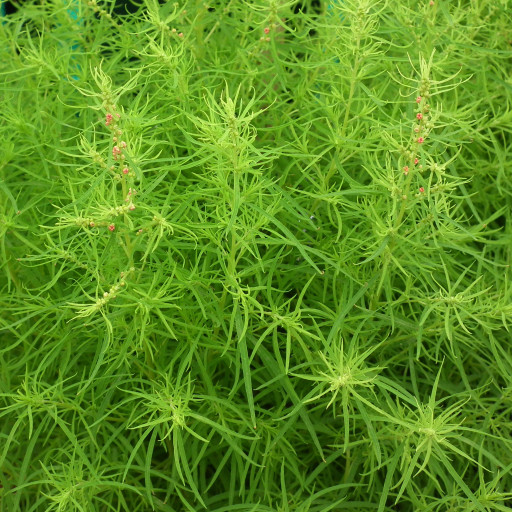
Plant Overview
Known as the "Burning Bush," "Summer Cypress," or "Mexican Firebrush," Bassia scoparia is a master of disguise. It spends the summer as a soft, lime-green pom-pom that looks almost like a manicured evergreen, only to transform into a fiery, crimson torch when the temperatures drop in autumn. In many parts of the world, it is the original "tumbleweed," breaking off at the base after its lifecycle to roll across the plains and spread its seeds.
🔍 How to Identify
- 🌿 Growth Habit: It forms a dense, symmetrical, upright mound that resembles a small cypress tree or a rounded shrub, reaching up to 3-5 feet in height.
- 🍃 Foliage Texture: The leaves are narrow, linear, and covered in fine hairs, giving the plant a soft, feathery appearance that invites a gentle touch.
- 🎨 Seasonal Color: Its most famous trait is the dramatic shift from neon green in the spring and summer to a striking deep red, burgundy, or purple-pink in late fall.
🏡 In Your Garden
- 🏜️ Drought Warrior: This plant is exceptionally hardy and thrives in poor, alkaline soil where other plants wither. It is often used in xeriscaping because it requires very little water once established.
- 🌬️ Self-Seeding Nature: Because it is an annual that produces thousands of seeds, it can become invasive if not managed. It "travels" by turning into a tumbleweed in the winter, so it’s best to harvest or secure the plant before it dries out completely to prevent it from colonizing your neighbor's yard.
⚠️ Safety & Toxicity
- 🐾 Livestock Warning: While generally safe for humans to handle, it is known to be toxic to cattle, sheep, and horses if consumed in large quantities due to high levels of nitrates and oxalates.
- 🤧 Allergen Potential: It is a prolific producer of wind-borne pollen. If you suffer from severe hay fever, this might not be the best choice for a backyard ornamental, as it can trigger seasonal allergies.
✨ Fun Fact
In Japan, the dried branches of Bassia scoparia have been used for centuries to make traditional hand brooms called "Hokiba." Additionally, its seeds are processed into a food garnish called "Tonburi," often referred to as "land caviar" because of its similar texture and appearance!

Detailed Care Instructions
| Lighting | Full Sun |
| Toxicity | Poisonous |
To grow a Bassia Scoparia plant, also known as burning bush or summer cypress, follow these steps:
- Climate: Ensure your climate is suitable for growing Bassia Scoparia. It is typically grown in regions with warm summers and mild winters.
- Soil: Choose a well-draining soil with a sandy or loamy texture. The pH level should be slightly acidic to neutral.
- Planting location: Find a sunny spot in your garden or landscape where the plant will receive at least 6-8 hours of direct sunlight daily.
- Planting time: Spring is the best time to plant Bassia Scoparia. Prepare the soil by removing any weeds or debris and loosening it with a garden fork or tiller.
- Planting method: Dig a hole that is slightly wider and the same depth as the nursery pot. Gently remove the plant from the pot and place it in the hole, ensuring that the top of the root ball is level with the surrounding soil. Backfill the hole with soil, gently pressing it down to eliminate any air pockets.
- Watering: Water the plant thoroughly after planting and regularly thereafter, especially during dry spells. Bassia Scoparia prefers moist soil, but make sure not to overwater it, as excessive moisture can lead to root rot.
- Pruning: Regularly prune the plant to maintain its shape and prevent it from becoming too leggy. Pruning can also help enhance its bushy appearance.
- Fertilization: Use a balanced fertilizer once or twice a year, following the instructions on the packaging. This will help provide necessary nutrients for healthy growth.
- Pests and diseases: Monitor the plant for common pests such as aphids, spider mites, or caterpillars. If you notice any infestation, treat it promptly with appropriate insecticides or organic pest control methods.
- Propagation: You can propagate Bassia Scoparia through seeds. Harvest mature seeds in the fall, plant them in pots filled with well-draining soil, and keep them in a warm and sunny location. Water the pots regularly and transplant the seedlings to their permanent location after they have grown larger.
Remember to consult local gardening resources or experts for location-specific tips and advice on growing Bassia Scoparia to ensure the best results.

Place in a bright room that is sun drenched almost all day. Or directly in a south-facing window.

To water this particular plant, you will want to evaluate the moisture level of the soil frequently. Ideally, you should provide enough water to keep the soil evenly moist but not waterlogged. During the warmer months, this plant may require more frequent watering to avoid dehydration. When watering, make sure to avoid getting water on the leaves or stems, as it can increase the risk of disease or rot. It's worth noting that this plant can tolerate some drought, but it's crucial to avoid letting it become too dry for extended periods. Additionally, it's a good idea to use a well-draining soil mix to help prevent water from accumulating around the roots.
To fertilize this plant, use a balanced liquid fertilizer with equal parts nitrogen, phosphorus, and potassium. Apply the fertilizer in early spring and again in midsummer. Do not over-fertilize, as this can lead to excessive growth and poor flowering. Water the plant thoroughly after fertilizing.
The recommended soil for the Bassia Scoparia plant is a well-draining soil that is rich in organic matter. The soil should have a pH level of 6.5 to 7.5, which is slightly acidic to neutral. The plant prefers soil that is slightly moist but not waterlogged, as excess water can damage its roots. Additionally, the soil used should be able to retain moisture to prevent the root system from drying out. It is important to avoid using heavy soils, such as clay, as it can suffocate the plant's roots. The ideal soil for the Bassia Scoparia should also have good aeration to allow air to circulate around the root system. Adding organic matter, such as compost or manure, to the soil before planting can improve its structure and provide the plant with necessary nutrients.
The process of propagating this plant involves collecting its seeds in the fall, after they have turned brown and become dry on the plant. The seeds should then be stored in a cool, dry place until they can be sown in early spring, either directly in the ground or in containers.
When planting, seeds should be buried about 1/4 inch deep in soil that is well-draining and has some organic matter mixed in. If planting in containers, seedlings should be transplanted into larger pots as they grow and mature.
This plant does not require any special soil amendments or fertilizers, but it does need full sun and regular watering, especially in the first year of growth. It is also important to remove any weeds or competing plants from around the base of the seedlings, as they can hinder growth and take away nutrients from the plant.
Overall, propagating this plant is relatively straightforward and can be done with minimal effort and resources. With proper care and attention, it can thrive in a variety of growing conditions and provide a valuable addition to any garden or landscape.








