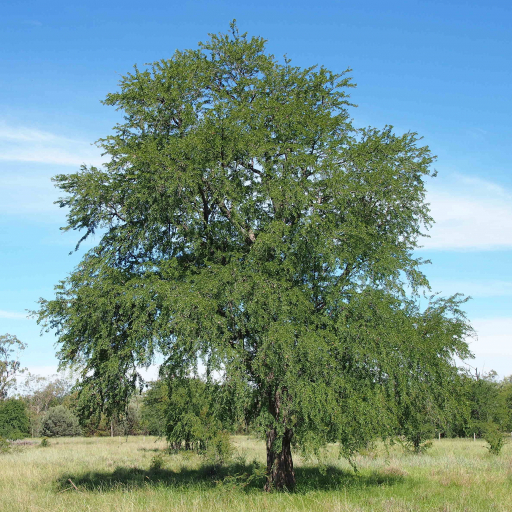
Plant Overview
Often called the Hooker's Bauhinia or simply the White Bauhinia, this Australian native is a master of disguise. Its unique foliage looks like thousands of green butterflies resting on its branches, while its stunning white blossoms earn it a place as a crown jewel in tropical and subtropical gardens. Whether it’s providing shade or attracting pollinators, this tree brings a sense of airy elegance to any landscape.
🔍 How to Identify
- 🍃 Butterfly Leaves: The most distinct feature is the "bilobed" leaf, which is deeply cleft down the middle, resembling a pair of butterfly wings or a cloven hoof.
- 🌸 Whiskered Blooms: The flowers are large and snowy white, featuring long, dramatic crimson or pink stamens that protrude like delicate cat whiskers.
- 🫛 Woody Pods: After flowering, the tree produces flat, leathery brown seed pods that can grow up to 10 centimeters long.
🏡 In Your Garden
- ☀️ Sun Seeker: This tree is a sun-lover through and through. It thrives in high heat and becomes remarkably drought-tolerant once its root system is established, making it a "set and forget" favorite for dry climates.
- 🪴 The Taproot Rule: Like many in the legume family, it grows a deep, stubborn taproot. It strongly dislikes being transplanted, so it is best to choose its "forever home" in your garden while it is still a young sapling.
- 🦋 Pollinator Magnet: The nectar-rich flowers are an absolute magnet for honeyeaters, butterflies, and bees, turning your garden into a buzzing sanctuary during the blooming season.
⚠️ Safety & Toxicity
- ✅ Non-Toxic: Bauhinia hookeri is generally considered safe and non-toxic for humans, dogs, and cats. It is a popular choice for family-friendly backyards.
- 👟 Pod Hazard: While not poisonous, the fallen seed pods are quite hard and woody. They can be a bit slippery or crunchy underfoot on pathways, so a quick sweep during the dry season is a good idea.
✨ Fun Fact
The genus Bauhinia was named by Carolus Linnaeus to honor the twin Swiss botanists, Gaspard and Jean Bauhin. He chose this specific plant because the twin-lobed leaves perfectly represented the two inseparable brothers working together in science!

Detailed Care Instructions








