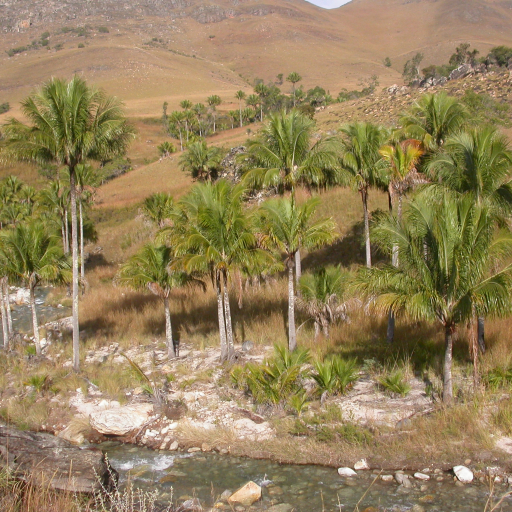
Plant Overview
Commonly known as the Highland Coconut Palm, Beccariophoenix alfredii is a botanical miracle discovered only recently in 2007. Hailing from the high plateaus of Madagascar, it has quickly become a superstar in the palm world because it looks remarkably like a tropical Coconut Palm but possesses a "superpower": it can survive frost and cold temperatures that would kill a true coconut tree. It’s the perfect choice for gardeners who want that Caribbean island aesthetic in a slightly cooler climate.
🔍 How to Identify
- 🌴 The Fronds: It features long, elegant, pinnate (feathery) leaves that are deep emerald green. The leaflets are stiff and arranged in a single plane, giving the crown a full, lush appearance.
- 🐘 The Trunk: As it matures, it develops a thick, sturdy, solitary trunk that is smooth and grey, similar in texture to an elephant’s skin.
- 🥥 The "False" Coconut: While it produces small, hard fruits, they are not the large edible coconuts we find in grocery stores, though the tree’s overall silhouette is a nearly perfect ringer for Cocos nucifera.
🏡 In Your Garden
- ☀️ Sun Seeker: This palm is a sun worshipper. While young plants appreciate a bit of afternoon shade to prevent leaf scorch, mature specimens thrive in full, direct sunlight.
- 💧 Thirsty but Picky: It loves water and grows much faster with regular irrigation, but it absolutely demands well-draining soil. It hates "wet feet" (sitting in stagnant water), which can lead to root rot.
- 🥶 Cold Hardiness: Unlike its tropical lookalike, the Highland Coconut can tolerate temperatures down to about 25°F (-4°C) once established, making it a "holy grail" palm for Mediterranean and subtropical climates.
⚠️ Safety & Toxicity
- ✅ Pet & Human Safe: This palm is generally considered non-toxic to cats, dogs, and humans. It does not produce poisonous berries or irritating sap.
- 🧤 Physical Safety: Unlike many other palms, Beccariophoenix alfredii does not have sharp spines or "teeth" along its stems. However, the fronds are heavy and the leaf bases are tough, so use caution and wear gloves when pruning old growth.
✨ Fun Fact
Because it was only scientifically described in 2007, this palm is one of the "youngest" additions to the horticultural world. It was named after Alfred Razafindratsira, a Malagasy plant explorer who was instrumental in bringing this stunning species to the attention of botanists!

Detailed Care Instructions
Beccariophoenix alfredii is a rare and endangered palm species native to Madagascar. It can be challenging to grow this plant, but with the right conditions and care, it is possible to cultivate it successfully. Here are some tips for growing Beccariophoenix alfredii:
- Climate: Beccariophoenix alfredii thrives in tropical climates with high humidity and warm temperatures. It prefers a temperature range of 70-90°F (21-32°C) and requires protection from frost and cold temperatures.
- Light: Beccariophoenix alfredii prefers bright, indirect light. Place the plant in a location where it will receive plenty of sunlight but avoid direct sunlight, as this can cause leaf burn.
- Soil: Use a well-draining, nutrient-rich soil mix for Beccariophoenix alfredii. A mixture of peat moss, perlite, and sand works well for this plant. Make sure the soil retains moisture but does not become waterlogged.
- Watering: Keep the soil consistently moist but not waterlogged. Water the plant when the top inch of soil feels dry, and avoid overwatering, as this can lead to root rot.
- Fertilization: Fertilize Beccariophoenix alfredii with a balanced, slow-release fertilizer every 4-6 weeks during the growing season. Avoid over-fertilizing, as this can damage the plant.
- Repotting: Repot Beccariophoenix alfredii every 2-3 years to refresh the soil and provide additional space for growth. Use a larger pot with drainage holes to prevent waterlogging.
- Pruning: Prune dead or damaged fronds from the plant to promote healthy growth and prevent disease.
- Pests and diseases: Keep an eye out for common palm pests, such as scale insects and spider mites, and treat infestations promptly with insecticidal soap or neem oil. Prevent fungal diseases by ensuring good air circulation around the plant.
By providing the right growing conditions, proper care, and regular maintenance, you can successfully grow Beccariophoenix alfredii in your home or garden.
Beccariophoenix Alfredii is a tropical plant that requires consistent watering to thrive. It is important to keep the soil evenly moist, but not waterlogged. One method is to water deeply once or twice a week, allowing the soil to dry out partially in between waterings. The plant's water requirements may differ depending on the season, humidity, and amount of sunlight it receives. It is important to regularly monitor the soil moisture level and adjust watering accordingly. Overwatering can lead to root rot, while under watering can cause the foliage to wilt and dry out. This plant prefers to be in well-draining soil so the water can move through the soil easily.
To fertilize Beccariophoenix Alfredii, apply a balanced fertilizer with an N-P-K ratio of 8-2-12 in the spring and summer months. Mix the fertilizer with water according to the manufacturer's instructions and apply it to the base of the plant, avoiding getting any on the leaves. Fertilize every 6-8 weeks during the growing season, but reduce frequency in the fall and winter months. Always water the plant thoroughly after fertilizing to help prevent root burn.
Beccariophoenix Alfredii plant grows best in well-draining soil that is rich in nutrients. It requires a soil pH of around 6.0 to 7.5 and prefers soils that are slightly acidic to neutral. A soil that is high in organic matter, such as peat moss or compost, is ideal. It is important to ensure that the soil is not compacted, as compacted soil can hinder root growth and lead to disease. Additionally, the soil should be kept consistently moist, but not waterlogged, as Beccariophoenix Alfredii does not tolerate dry soil. Fertilization can be done regularly with a balanced fertilizer to ensure that the plant receives all the necessary nutrients for healthy growth.
Beccariophoenix Alfredii can be propagated through both seeds and division. To propagate using seeds, collect fresh, ripe seeds from a mature plant and sow them in a well-draining potting mix. Keep the soil consistently moist and warm, ideally around 80-85°F (27-29°C). Germination can take several months, so be patient and continue to care for the seeds until they sprout.
Alternatively, Beccariophoenix Alfredii can also be propagated through division. To propagate via division, carefully remove the plant from its pot or the ground and gently separate the root ball into smaller sections, making sure each section has a portion of both roots and foliage. Replant the divided sections into individual containers with fresh potting soil, keeping them well-watered and placing them in a warm, humid environment to encourage growth.
Regardless of the propagation method used, it's important to provide proper care and maintenance to ensure the success of the newly propagated plants. Regular watering, adequate sunlight, and fertilization will help promote healthy growth and development.








