Plant Overview
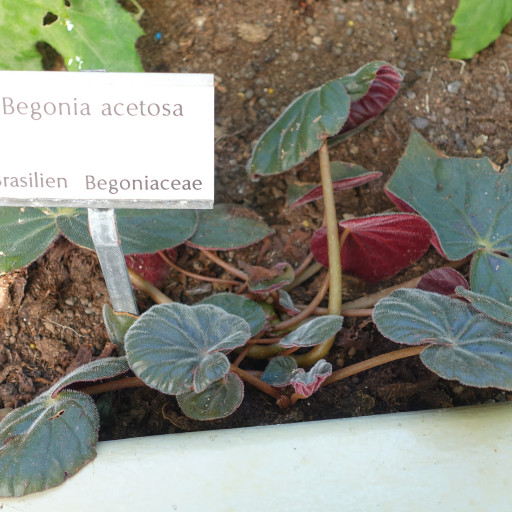
Often referred to as the Ruby Begonia or the Brazilian Heart, Begonia acetosa is a tactile marvel of the plant world. Native to the humid Atlantic forests of Brazil, this species is beloved for its dramatic color contrast and incredibly soft, felt-like foliage. It’s a "must-have" for indoor collectors who want a plant that looks—and feels—like it was crafted from expensive velvet.
🔍 How to Identify
- 🌿 Velvety Foliage: The most striking feature is the texture; both sides of the leaves are covered in fine, dense hairs (tomentum) that feel like soft suede.
- 🎨 Color Contrast: The top of the leaf is a deep, matte olive green, while the underside is a vivid, glowing ruby red or burgundy.
- 🍃 Leaf Shape: The leaves are sturdy, thick, and heart-shaped (cordate), often growing in a slightly cupped or "cupped-hand" fashion.
- 🌸 Delicate Blooms: It produces small, airy clusters of white-to-light-pink flowers that sit on long stems above the foliage.
🏡 In Your Garden
- 💧 The "No-Touch" Watering Rule: Because of its velvety hairs, this plant is prone to rot if water sits on its leaves for too long. It’s best to water at the base or use a "bottom-watering" method to keep the foliage dry and happy.
- ☁️ Humidity is Key: Coming from the Brazilian rainforest, it craves high humidity. However, avoid misting it directly; instead, use a pebble tray or a room humidifier to mimic its tropical home.
- 🪴 Aversion to Repotting: This Begonia has a relatively delicate root system and prefers to be slightly "root-bound." Only move it to a larger pot when you see roots peeking out of the drainage holes.
⚠️ Safety & Toxicity
- 🐾 Toxic to Pets: Like most members of the Begonia family, Begonia acetosa contains calcium oxalate crystals.
- 👄 Irritation: If ingested by cats, dogs, or curious toddlers, it can cause significant irritation of the mouth, tongue, and throat, often leading to drooling or vomiting. Always keep this beauty on a high shelf or hanging basket.
✨ Fun Fact
The specific epithet acetosa comes from the Latin word for "acid" or "sour," a nod to the tart, sorrel-like taste of its sap. While the plant was historically noted for this by botanists, modern collectors should stick to admiring its velvet leaves rather than using them in a salad!

Detailed Care Instructions
To grow Begonia acetosa, also known as the Dragon Wing Begonia, you can follow the steps below:
- Choose a suitable location: Begonia acetosa prefers partial shade to full shade. Select a location that receives dappled sunlight or bright indirect light. Avoid placing it in direct sunlight as it can scorch the leaves.
- Soil preparation: Prepare a well-draining soil mixture for your Begonia acetosa. Use a combination of organic potting soil and perlite or vermiculite to ensure proper drainage.
- Planting: Select a suitable container with drainage holes or prepare a garden bed with good drainage. Gently plant the Begonia acetosa in the soil, ensuring that the crown of the plant is level with the soil surface.
- Watering: Keep the soil consistently moist, but avoid overwatering as it can lead to root rot. Check the soil moisture regularly by inserting your finger into the soil. If it feels dry about an inch deep, it's time to water.
- Fertilizing: Begonia acetosa benefits from regular feeding. Use a balanced, water-soluble fertilizer formulated for flowering plants, following the manufacturer's instructions. Apply the fertilizer every two weeks during the growing season, typically from spring to fall.
- Pruning: Regularly remove any dead or yellow leaves to promote healthy growth. You can also pinch back the tips of the stems to encourage bushiness and more blooms.
- Pests and diseases: Keep an eye out for common Begonia pests such as aphids, spider mites, and mealybugs. Treat any infestations promptly with insecticidal soap or neem oil. Provide good air circulation to prevent powdery mildew or fungal diseases.
- Winter care: If you live in a region with frost, it's best to grow Begonia acetosa as an annual or move it indoors before the first frost. Indoors, provide it with bright light and maintain the same care routine.
By following these steps, you can successfully grow Begonia acetosa and enjoy its attractive foliage and bright flowers.

Place in a window with dappled sun or a spot in the middle of a room. Or directly in a window facing west or east.

Begonia Acetosa is a type of plant that requires adequate watering in order to thrive. When watering this plant, it is important to keep the soil consistently moist, but not waterlogged. You should aim to water the plant approximately once per week, or more often if the soil is visibly dry.
To water Begonia Acetosa, you should use room temperature water and pour it slowly onto the soil, taking care to avoid getting any water on the leaves or stems. It is best to water early in the morning or in the evening, when the sun is not at its strongest, to avoid causing damage to the plant.
If you are unsure about whether your Begonia Acetosa needs watering, you can test the soil by sticking your finger into it. If the soil feels dry, it is time to water your plant. On the other hand, if the soil feels damp, it is best to hold off on watering for a few days.
Overall, by providing your Begonia Acetosa with proper watering, you can help ensure that it grows healthy and strong.
To effectively fertilize Begonia Acetosa plants, follow these instructions:
- Opt for a balanced, water-soluble fertilizer with equal amounts of nitrogen (N), phosphorus (P), and potassium (K).
- Dilute the fertilizer in water according to the manufacturer's instructions, usually at a ratio of 1 teaspoon per gallon of water.
- Apply the fertilizer to the soil around the base of the plant, ensuring that it is evenly distributed and not directly applied to the foliage.
- Fertilize the Begonia Acetosa once every two to four weeks during the growing season, which typically spans from spring to early fall.
- Avoid over-fertilizing, as excessive nutrients can lead to burns on the delicate roots of the plant. Always follow the recommended dosage provided by the fertilizer manufacturer.
- Water the plant thoroughly after fertilizing to help nutrients reach the roots and prevent any potential burns.
- Consider using organic fertilizers or slow-release fertilizers to promote gradual nutrient release and minimize the risk of over-fertilization.
- Monitor the plant's response to fertilization. If you notice any signs of nutrient deficiencies or excesses, adjust the fertilizer application accordingly.
Remember, each plant has its own specific needs, so if unsure, consult a local nursery or horticulturist for more specific guidance.
Begonia Acetosa plant will require a well-draining soil that is rich in organic matter. It should have a slightly acidic to neutral pH level, with a range of 5.5 to 7.5 being suitable for this plant. The soil should be moist, but not waterlogged, to ensure optimal growth and development. It is important to use a soil that is light and airy to promote root growth and prevent waterlogging. Adding perlite or sand to the soil mixture can help improve the drainage and aeration of the soil. In summary, the ideal soil for Begonia Acetosa plant would be a well-draining, moist, slightly acidic to neutral, and rich in organic matter.
To propagate Begonia Acetosa plant, you can follow these steps:
- Choose a healthy and mature Begonia Acetosa plant for propagation. This plant should have strong stems, vibrant foliage, and no signs of disease or pests.
- Fill a small container with a well-draining potting mix. You can use a mix of equal parts perlite, peat moss, and vermiculite to create a suitable medium for the plant to grow.
- Take a stem cutting from the Begonia Acetosa plant. Choose a stem that is approximately 4-6 inches long and has several healthy leaves. Use a clean and sharp pair of scissors or pruning shears to cut just below a leaf node, which is the area where the leaf meets the stem.
- Remove any lower leaves from the stem cutting. This will help prevent the leaves from rotting when you plant the cutting in the potting mix.
- Dip the cut end of the stem cutting into a rooting hormone powder or gel. This will encourage root growth and increase the chances of successful propagation.
- Create a small hole in the potting mix using a pencil or your finger and gently insert the stem cutting into the hole. Ensure that at least one or two leaf nodes are buried in the soil.
- Lightly water the potting mix to moisten it without soaking it. Aim to keep the soil consistently moist but not waterlogged throughout the propagation process.
- Cover the newly planted stem cutting with a clear plastic bag or a propagation dome. This will help create a humid environment, which aids in root development. Place the container in a warm location with bright, indirect light.
- Check the cutting regularly to ensure the soil remains moist. If it feels dry, lightly water it again.
- After a few weeks, gently tug on the stem cutting to check for resistance, which indicates the development of roots. If you feel resistance, it means the cutting has successfully rooted. If there is no resistance, give it more time to develop roots.
- Once the cutting has established roots, it is ready to be transferred to a larger pot or garden bed. Ensure the new location provides appropriate light conditions and space for the Begonia Acetosa plant to grow.
Remember that Begonia Acetosa plants are sensitive to overwatering, so be careful not to keep the soil excessively wet during propagation. Patience and consistent care will increase the chances of successful propagation.
Common pests of the lilypad begonia include Mealybugs, spider mites, aphids, whiteflies. Make a habit of checking your lilypad begonia frequently for pests so that any infestations can be caught and managed early.








