Plant Overview
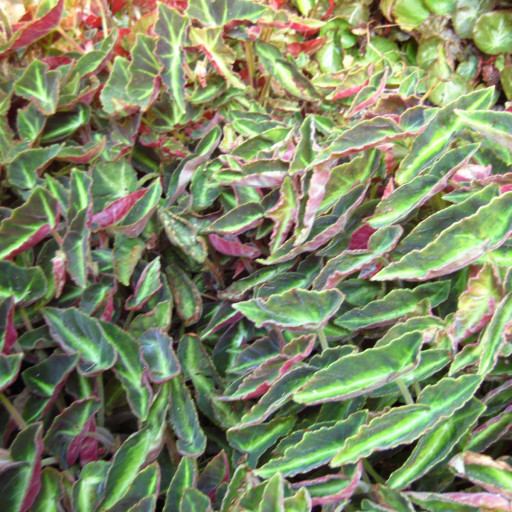
Known affectionately as the Striped Begonia, this Brazilian beauty looks like it was designed with a neon highlighter. Native to the humid floor of South American rainforests, it brings a dramatic, moody aesthetic to indoor spaces. Its striking contrast and soft, touchable foliage make it a must-have for collectors who appreciate "living velvet."
🔍 How to Identify
- 🍃 The Signature Stripe: Each lance-shaped leaf features a brilliant, electric-green vein running down the center, cutting through a dark, olive-green blade.
- ☁️ Velvet Texture: The leaves are covered in microscopic fine hairs (trichomes), giving the plant a luxurious matte finish that feels like soft suede to the touch.
- 🍷 Mahogany Undersides: If you flip the leaves over, you’ll find a rich, deep red or burgundy color, a trait the plant evolved to help absorb extra light in the dim forest understory.
🏡 In Your Garden
- ☁️ Humidity is Key: Because of its thin, velvety leaves, the Listada is a "humidity hog." In dry household air, the leaf edges will quickly turn brown and crispy. It thrives best in a terrarium or placed near a humidifier where the air stays moist.
- 🪴 Shrubby Habit: Unlike trailing begonias, this species grows in a mounding, shrub-like shape. It can become "leggy" if it’s reaching for light, so a bright spot with filtered sun is perfect to keep it compact and bushy.
- 💧 Moisture Balance: It prefers to stay consistently damp but hates "wet feet." It has a delicate root system that is prone to rot if the soil doesn't drain quickly.
⚠️ Safety & Toxicity
- 🐾 Toxic to Pets: Like most members of the Begoniaceae family, this plant is toxic to cats and dogs.
- 🚫 Irritant: It contains calcium oxalate crystals. If chewed, it can cause intense oral irritation, drooling, and swelling of the mouth or throat. It is best kept on high shelves or in hanging baskets away from curious pets and toddlers.
✨ Fun Fact
The name "Listada" literally translates to "striped" in Portuguese and Spanish, perfectly describing the bold, racing-stripe pattern that makes this plant a standout in the botanical world.

Detailed Care Instructions
| Soil Ph | 6.1-6.5 |
| Humidity | Normal |
| Lighting | Part Sun |
| Soil Type | Light And Rich |
| Difficulty | Medium |
| Plant Type | Annuals That Can Be Grown As A Houseplant |
| Mature Size | Up To 11 In. |
| Native Area | South And Central America, Africa, Southern Asia |
| Temperature | 18°C - 30°C |
| Sun Exposure | Medium To High Light |
| Hardiness Zones | 10-11 |
To grow Begonia Listada plants, you can follow these steps:
- Choose a suitable location: Begonia Listada thrives in bright, indirect light, so find a spot with filtered or partial sunlight. Avoid direct sunlight, as it can scorch the leaves.
- Select the right soil: Use a well-draining potting mix that retains moisture without becoming soggy. You can also amend regular potting soil with perlite or sand to improve drainage.
- Obtain a healthy plant: Purchase a Begonia Listada plant from a reliable nursery or propagate from cuttings. Look for plants with vibrant leaves and strong stems.
- Planting: Choose a container with drainage holes, as Begonia Listada plants don't like to sit in waterlogged soil. Fill the pot with the potting mix and create a hole for the plant. Gently place the plant in the hole and cover the roots with soil, making sure not to bury the crown.
- Watering: Keep the soil evenly moist. Water the plant when the top inch of soil feels dry to the touch. Avoid overwatering, as it can lead to root rot. Also, prevent water from splashing on the leaves to prevent fungal diseases.
- Humidity: Begonia Listada plants love high humidity. Place a humidity tray filled with water near the plant or use a room humidifier to increase humidity levels.
- Temperature and humidity: The ideal temperature range for Begonia Listada is between 60-75°F (15-24°C). Maintain a humid and warm environment to promote healthy growth.
- Fertilization: Feed the plant with a balanced, water-soluble fertilizer diluted to half strength every 4-6 weeks during the growing season (spring and summer). Follow the package instructions for proper usage.
- Pruning: Regularly pinch or trim off leggy growth to encourage bushiness. Remove any dead or yellowing leaves to maintain plant health and appearance.
- Repotting: Begonia Listada plants prefer to be slightly root-bound, so repot only when necessary, typically every 1-2 years. Choose a slightly larger pot and use fresh potting mix.
- Pest control: Watch out for common houseplant pests like aphids, mealybugs, and spider mites. If an infestation occurs, treat it promptly with organic insecticidal soap or neem oil.
With proper care and attention to their requirements, your Begonia Listada should grow and thrive, adding beauty to your indoor or outdoor space.

Place in a window with dappled sun or a spot in the middle of a room. Or directly in a window facing west or east.

To water this plant, it is important to first check the soil moisture level. Insert a finger about an inch deep into the soil to see if it feels dry. If the soil is dry, give the plant a thorough watering until excess water drains out of the pot. It is important to avoid letting the plant sit in standing water as it can lead to root rot. Allow the soil to dry out slightly between waterings, but do not let it completely dry out as the plant prefers consistently moist soil. Be careful not to get water on the leaves as it can cause damage or encourage fungal growth.
To fertilize the Begonia Listada plant, use a balanced fertilizer with equal amounts of nitrogen, phosphorus, and potassium. Dilute the fertilizer according to the manufacturer's instructions and apply it once a month during the growing season. Avoid over-fertilizing as it can damage the roots and foliage of the plant. Additionally, make sure the soil is moist before applying the fertilizer.
For Begonia Listada plants, it is recommended to use a well-draining soil mix that is rich in organic matter. The soil should be moist but not waterlogged, as these plants prefer a slightly damp environment. It is important to avoid using heavy or clay soils, as they can retain too much moisture and cause root rot. A soil mix with a pH between 6.0 and 7.0 is best, as Begonia Listada plants prefer slightly acidic to neutral soil. The potting container should have drainage holes to allow excess water to escape. It is also recommended to add perlite or sand to the soil mix to aid in drainage and aeration.
To propagate this plant, first take a cutting from a mature plant, ensuring that the stem is at least 4-6 inches long and has 2-3 leaves. Remove any lower leaves from the stem and dip the cut end in rooting hormone powder. Then, plant the cutting in a well-draining soil mixture in a small pot. Cover the pot with a clear plastic bag to create a humid environment and place it in a well-lit area but away from direct sunlight. Water the soil frequently to keep it moist but not waterlogged. After 3-4 weeks, the cutting should have developed roots and can be transplanted into a larger pot or the ground outdoors.
Common pests of the striped begonia include Mealybugs, spider mites, aphids, whiteflies. Make a habit of checking your striped begonia frequently for pests so that any infestations can be caught and managed early.








