Plant Overview
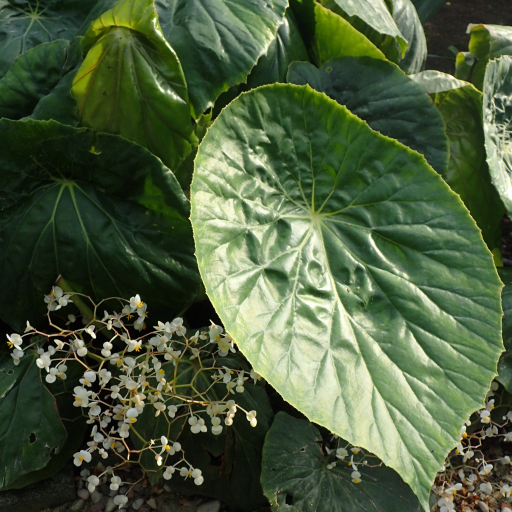
Known affectionately as the "Lilypad Begonia" or "Lotus-leaf Begonia," this lush Mexican native creates an instant jungle vibe in any room. Its massive, circular leaves mimic the iconic shape of a water lily, giving it a prehistoric and dramatic appearance that stands out in a sea of standard houseplants. It is a favorite among collectors for its architectural foliage and its surprisingly resilient nature compared to its fussier cousins.
🔍 How to Identify
- 🍃 The Lotus Look: Giant, rounded leaves that can reach up to 12 inches across, featuring a smooth, matte green surface.
- 📍 Peltate Attachment: Unlike most plants where the stem attaches to the leaf edge, this begonia's stem connects directly to the center of the leaf's underside.
- 🌸 Airy Blooms: During late winter and spring, it sends up tall, thin stalks topped with clusters of tiny, delicate white or pale pink flowers.
🏡 In Your Garden
- 🪴 Rhizome Resilience: This plant grows from a thick, creeping underground stem (rhizome). It stores water there, meaning it prefers to dry out slightly between waterings rather than sitting in soggy soil.
- ☁️ Humidity Nuance: While it is tougher than many begonias, it still craves moisture in the air. If the leaf edges turn brown and crispy, it’s a sign your home is too dry; a pebble tray or humidifier will keep it looking pristine.
⚠️ Safety & Toxicity
- 🐾 Toxic to Pets: Like most members of the Begoniaceae family, this plant is toxic to cats and dogs.
- 👄 Irritant: It contains insoluble calcium oxalates, which can cause intense oral irritation, drooling, and swelling if the leaves or rhizomes are chewed. Keep it on a high shelf away from curious nibblers.
✨ Fun Fact
- 📜 Ancient Inspiration: Its scientific name, nelumbiifolia, literally translates to "leaves like a Nelumbo"—the genus of the Sacred Lotus. Even though it is a land-dweller, it has mastered the art of looking like a floating aquatic wonder!

Detailed Care Instructions

Place in a window with dappled sun or a spot in the middle of a room. Or directly in a window facing west or east.

The presence of a dry surface layer of soil does not indicate that the plant requires water. Instead, stick your finger 1-2" (3-5 cm) deep in the soil to feel dampness or moisture content. If the soil seems dry, it's time to water your greens. If the soil is still moist, however, it is better not to water your plant and instead wait a day or two. Overwatering or waterlogging raises the risk of root rot. So if the soil takes longer than a week to dry, check the light conditions because it's likely that the plant isn't getting enough light. It's fine if the upper layer of soil is dry between waterings, but the deeper soil layer should always have some moisture.
These plant needs regular fertilizing during growing seasons. Fertilizing your plants in dormant state during the winter, might result in scorching or browning of the leaf tips. If mature plants display signs of nutrient insufficiency, fertilizer administration is necessary to restore the plant to its previous state.
You may use All Purpose Plant Food or Flower Fertilizer or Green Plant Food for your Lily-Pad Begonia
Common pests of the lily-pad begonia include Mealybugs, spider mites, aphids, whiteflies. Make a habit of checking your lily-pad begonia frequently for pests so that any infestations can be caught and managed early.








