Plant Overview
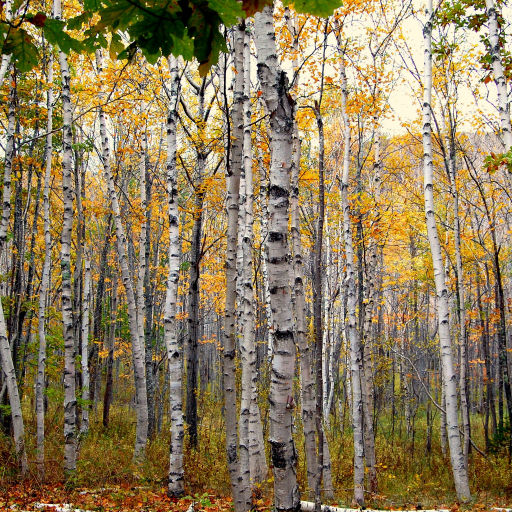
Known as the "Canoe Birch" or "White Birch," Betula papyrifera is the iconic ghost of the northern forests. Its paper-thin, chalk-white bark has been a lifeline for Indigenous peoples for centuries, providing materials for everything from waterproof roofing to lightweight, sleek canoes. In the winter landscape, its stark white silhouette against a dark evergreen backdrop is one of nature's most beautiful contrasts.
🔍 How to Identify
- ⚪ The Bark: Its most famous feature—bright white and smooth, peeling away in horizontal, papery layers to reveal a salmon-pink or orange inner bark.
- 🍃 The Leaves: Heart-shaped or oval with pointed tips and "doubly serrated" (toothed) edges. They transform into a brilliant, glowing gold during the autumn months.
- 🍂 The Catkins: In early spring, the tree produces long, drooping clusters of flowers called catkins, which release clouds of fine yellow pollen into the wind.
🏡 In Your Garden
- ❄️ Cool Runnings: This tree is a "cold-weather specialist." It thrives in northern climates and struggles significantly in hot, humid southern zones, where heat stress makes it vulnerable to pests.
- 💧 Thirsty Roots: It has a shallow, wide-spreading root system that is very sensitive to drought and soil compaction. To keep it happy, keep the "feet" (the root zone) cool and moist with a thick layer of organic mulch.
- 🐛 The Borer Threat: When stressed by heat or lack of water, it becomes a target for the Bronze Birch Borer. Maintaining a stress-free environment is the best way to protect its health.
⚠️ Safety & Toxicity
- ✅ Safe Status: Betula papyrifera is considered non-toxic to humans, dogs, cats, and horses.
- 🤧 Allergy Alert: While not poisonous, it is a major producer of wind-borne pollen in the spring. If you suffer from "Hay Fever," this tree may be a significant trigger for your seasonal allergies.
✨ Fun Fact
- 🔥 The Natural Match: The bark of the Paper Birch contains a high concentration of betulin oil, which is highly flammable. Because of this, even soaking-wet birch bark will ignite almost instantly, making it the ultimate natural fire-starter for campers and survivalists.

Detailed Care Instructions
To grow a Betula Papyrifera plant (also known as canoe birch or paper birch), you can follow these steps:
- Select a suitable location: Choose a spot that receives full or partial sunlight. The soil should be well-drained and slightly acidic.
- Obtain healthy seeds or saplings: You can either collect seeds from mature birch trees or purchase saplings from a reputable nursery or garden center.
- Prepare the soil: Take care to remove any weeds or grass from the planting area. Loosen the soil with a garden fork or tiller to improve drainage.
- Sow the seeds or plant a sapling: If you have collected seeds, sow them in the prepared soil at a depth of about 1/4 inch. If you have purchased a sapling, dig a hole that is as deep and wide as the root ball and place the sapling inside, making sure the top of the root ball is level with the surrounding soil.
- Water the plant: After sowing the seeds or planting the sapling, water the area thoroughly but gently. Ensure that the soil remains evenly moist, not waterlogged.
- Mulch the area: Apply a layer of mulch around the base of the plant, such as wood chips or straw. Mulching helps retain moisture, suppresses weed growth, and insulates the roots.
- Prune if needed: As the Betula Papyrifera plant grows, you may need to prune it to remove any dead, damaged, or diseased branches. Pruning helps promote healthy growth and shape the plant.
- Maintain consistent watering: Water the plant regularly, especially during dry periods. Be careful not to overwater, as excessive moisture can cause root rot.
- Protect from pests and diseases: Keep an eye out for common birch pests, such as aphids or birch leafminers. If necessary, use appropriate insecticides or consult a professional.
- Monitor growth and provide care: Regularly inspect the plant for signs of growth, health, and any potential issues. Provide occasional fertilization with a balanced, slow-release fertilizer to promote optimal growth.
By following these steps, you can cultivate and nurture a Betula Papyrifera plant successfully. Remember to be patient, as it may take several years for the sapling to reach maturity.

Place in a bright room that is sun drenched almost all day. Or directly in a south-facing window.

To water this plant, first ensure that the soil is moist but not waterlogged. Water deeply, allowing the water to soak all the way down to the roots. Avoid watering the leaves or branches, as this can lead to disease. Watering should be done regularly, especially during hot, dry weather. Check the soil regularly to ensure that it remains moist and adjust the watering schedule as necessary. It is important to avoid overwatering, as this can cause root rot and other problems.
To ensure optimal growth and health, it is recommended to fertilize this plant annually in early spring or fall. Use a balanced fertilizer with equal parts of nitrogen, phosphorus, and potassium. Apply the fertilizer evenly around the base of the plant, keeping the granules at least six inches away from the trunk. Water thoroughly after fertilizing to help nutrients reach the roots. Avoid over-fertilizing, as this can lead to root burn and damage.
For Betula Papyrifera, it is recommended to use a well-draining soil that is rich in organic matter. The soil should have a slightly acidic to neutral pH level between 5.5 to 7.5. It is important to avoid heavy clay or sandy soils as they do not provide adequate drainage for the plant. Additionally, the soil should be kept moist but not waterlogged to prevent root rot. Adding mulch or compost to the soil can help improve its texture and nutrient content. It is also advised to monitor the plant's soil regularly and adjust watering as necessary to maintain optimal soil moisture levels.
To propagate this plant, start by collecting softwood cuttings in the spring from healthy parent plants. Cuttings should be around 4-6 inches long and taken from the tips of branches. Remove all but the top two leaves and dip the cut end in rooting hormone before placing the cutting in a pot filled with moist, well-draining soil. Cover the pot with a plastic bag to create a greenhouse-like environment and place it in a bright, indrectly-lit location. Keep the soil evenly moist and mist the cutting regularly. After about 4-6 weeks, roots should start to form. Once the roots have developed, transplant the new plant to a larger container or into the ground.
Common pests of the paper birch include Scale insect, aphids, larvae. Make a habit of checking your paper birch frequently for pests so that any infestations can be caught and managed early.








