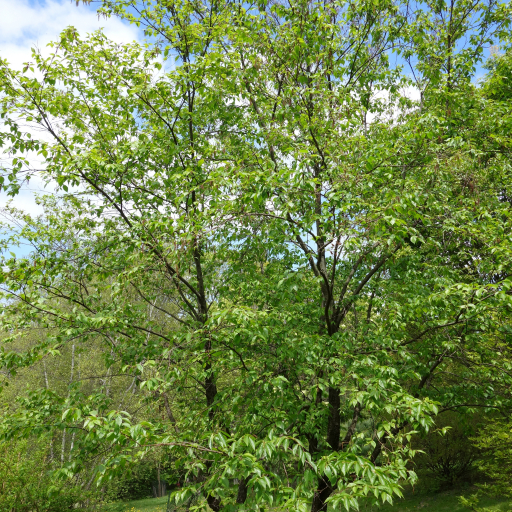
Plant Overview
Known as the "Iron Birch" or Schmidt's Birch, this tree is legendary for its incredible strength and resilience. Native to the rocky slopes of Northeast Asia, it is often called the "King of Birches" because its wood is so dense and heavy that it actually sinks in water. In its homeland, it is a symbol of endurance, surviving harsh mountain winds and freezing temperatures that would snap lesser trees.
🔍 How to Identify
- 🌑 The Bark: Unlike the iconic white bark of other birches, this species features dark, charcoal-grey to brownish-black bark that becomes deeply fissured and shaggy as it ages.
- 🍃 The Leaves: The leaves are small, ovate, and finely serrated. They have a distinct, prominent vein pattern and turn a lovely, subtle yellow in the autumn.
- 🪵 The Wood: The most defining (though internal) feature is the wood’s density. It is nearly three times harder than Oak, making it one of the toughest biological materials in the temperate forest.
🏡 In Your Garden
- ⛰️ Rock Specialist: Because it naturally grows on rocky cliffs, this birch is an excellent choice for landscapes with poor, stony soil where other trees might struggle to take root.
- ⏳ Patience Required: This is a slow-growing "legacy" tree. It doesn’t rush to reach the sky, instead putting its energy into creating that legendary dense wood, making it a stable, long-term fixture for your garden.
- 🧊 Cold Warrior: It is exceptionally cold-hardy, thriving in northern climates, but it may struggle in regions with sweltering, humid summers.
⚠️ Safety & Toxicity
- ✅ Safe for All: Betula schmidtii is considered non-toxic to humans, dogs, cats, and horses. It is a very "friendly" tree to have in a family backyard.
- 🤧 Seasonal Note: Like most birch trees, it produces catkins (pollen-bearing structures) in the spring, which may trigger mild hay fever for those with tree-pollen allergies.
✨ Fun Fact
The wood of the Schmidt's Birch is so incredibly tough that it was historically used to create ball bearings, machine parts, and even specialized pulleys because it resists wear-and-tear almost as effectively as cast iron!

Detailed Care Instructions
To grow a Betula Schmidtii plant, you can follow these steps:
- Choose a suitable location: Betula Schmidtii thrives in full sun to partial shade. Select a spot in your garden that receives at least 6 hours of direct sunlight each day.
- Prepare the soil: Betula Schmidtii prefers moist, well-drained soil with a slightly acidic to neutral pH. Amend the soil by adding organic matter, such as compost or peat moss, to improve its fertility and drainage.
- Planting: Dig a hole that is slightly larger than the root ball of the plant. Place the Betula Schmidtii in the hole, ensuring that it is planted at the same depth as it was in the container. Backfill the hole with soil, gently firming it around the roots.
- Watering: After planting, give the tree a deep watering to help settle the soil and establish the roots. Keep the soil consistently moist, but not waterlogged, throughout the growing season. Water deeply and infrequently rather than frequently but shallowly.
- Mulching: Apply a layer of organic mulch, such as wood chips or bark, around the base of the plant. This will help conserve soil moisture, regulate soil temperature, and suppress weed growth. Keep the mulch a few inches away from the trunk to prevent rot.
- Pruning: Betula Schmidtii is typically low-maintenance and does not require much pruning. Remove any dead, damaged, or diseased branches as necessary. If needed, shape the tree during the dormant season to maintain a desired form.
- Fertilizing: While Betula Schmidtii generally does not require regular fertilizer applications, you can apply a balanced slow-release fertilizer in early spring to boost growth and overall health.
- Protection: Protect the plant from harsh winter conditions by wrapping the trunk in burlap or using a protective cover. This will prevent sunscald or frost damage.
- Regular care: Monitor the plant for signs of pests or diseases, such as aphids, leaf miners, or leaf spot. Treat as necessary using environmentally friendly methods or consult a professional. Regularly inspect the tree for any maintenance needs, such as staking or pruning.
By following these guidelines and providing the necessary care, your Betula Schmidtii plant should grow and thrive in your garden.

Place in a bright room that is sun drenched almost all day. Or directly in a south-facing window.

1. Check the soil moisture: Before watering, check the soil moisture level to ensure that the plant actually needs water. Stick your finger about an inch deep into the soil to feel for moisture.
2. Water slowly: When watering, do so slowly and steadily to ensure the water seeps deeply into the soil. A good rule of thumb is to water until the soil is moist 6-8 inches deep.
3. Avoid wetting foliage: Water the soil at the base of the plant, avoiding wetting the foliage. Wet foliage can lead to fungal diseases.
4. Water deeply but infrequently: Betula Schmidtii prefers to be watered deeply but infrequently. Allow the soil to dry out slightly between waterings to prevent overwatering.
5. Mulch: Mulch around the base of the plant to help retain moisture in the soil. This will help reduce the need for frequent watering.
6. Use tepid water: Water with tepid water, not cold water. Cold water can shock the roots and cause stress to the plant.
7. Adjust watering schedule as needed: The watering needs of Betula Schmidtii may change depending on the season or weather conditions. Adjust the watering schedule as needed to ensure the plant stays healthy and happy.
To fertilize the Betula Schmidtii plant, use a balanced slow-release fertilizer with an N-P-K ratio of 10-10-10 or 14-14-14. Ensure that the fertilizer is specifically formulated for woody plants or trees.
Follow these instructions:
- Apply the fertilizer during the early spring or late winter before new growth starts.
- Water the soil around the plant thoroughly before applying the fertilizer.
- Sprinkle the fertilizer evenly on the soil surface, avoiding direct contact with the trunk.
- Use the recommended dosage mentioned on the fertilizer packaging based on the size of the plant.
- Gently work the fertilizer into the top layer of soil using a rake or hand tool.
- Water the plant deeply after applying the fertilizer to help soak it into the soil and prevent burning.
- Repeat the fertilization process annually, ideally in early spring, to provide necessary nutrients for healthy growth.
- Monitor the plant's growth and adjust the fertilization schedule and dosage if required.
- It's important to follow the manufacturer's instructions on the fertilizer packaging for precise application rates and safety precautions.
The best soil to use with this plant should be well-draining and loamy. It should have a pH level of around 5.5 to 7.5, which means it should be slightly acidic to slightly alkaline. The soil should also be rich in organic matter, such as compost or peat moss, to provide the plant with the necessary nutrients. Avoid using soil that is heavy in clay or compacted, as this can lead to waterlogging and root rot. Additionally, ensure that the soil is moist but not waterlogged, as the plant requires good drainage to thrive.
To propagate this particular plant, you will need to collect seeds from a mature tree or take cuttings from a healthy branch. If collecting seeds, wait until the seed pods have fully matured and are starting to open. Harvest the seeds and store them in a cool, dry place until ready to plant.
If taking cuttings, select a healthy branch and make a clean cut just below a leaf node. Remove any leaves from the bottom half of the cutting and dip the cut end into a rooting hormone. Plant the cutting in moist soil and keep it in a warm, humid environment until roots begin to form.
Whether growing from seeds or cuttings, keep the soil consistently moist and place the young plants in a partially shaded area until they have grown strong enough to handle full sun. Transplant the young plants into their permanent location once they have grown to their desired size.








