Plant Overview
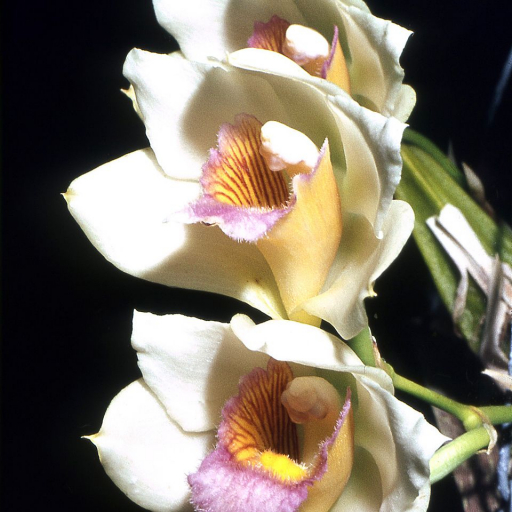
Known as the "Tyrian Purple Bifrenaria," this stunning Brazilian orchid is a true aristocrat of the plant world. Its name comes from the rich, deep magenta hues of its flowers, reminiscent of the "Tyrian Purple" dye once reserved for Roman emperors. Found clinging to rocky cliffs and trees in the high-altitude forests of Brazil, it brings a touch of regal drama and a powerful, spicy fragrance to any orchid collection.
🔍 How to Identify
- 💜 Imperial Blooms: The flowers are thick, waxy, and star-shaped, boasting a deep violet-purple color with a distinctive, hairy "lip" (labellum) that looks almost velvety.
- 🪴 Stout Pseudobulbs: At the base, you’ll find four-angled, yellowish-green bulbs that look like sturdy little pyramids, designed to store water during dry spells.
- 🍃 Solitary Leaves: Each bulb typically produces a single, broad, leathery leaf that is tough to the touch and elegantly ribbed.
🏡 In Your Garden
- ☀️ Sun-Seeker: Unlike many "shade-loving" orchids, this species craves bright, filtered light. If the leaves are dark green, it’s not getting enough sun to produce those royal purple flowers.
- 🌬️ Fresh Air Fanatic: In its native habitat, it lives on breezy cliffs. It requires excellent air circulation around its roots to prevent rot; many hobbyists prefer wooden baskets over plastic pots.
- 💤 The Winter Nap: To trigger blooming, this plant needs a distinct "rest period" in winter with cooler temperatures and significantly less water. Ignoring this phase usually results in a year of only leaves and no flowers.
⚠️ Safety & Toxicity
- ✅ Pet Friendly: Like most members of the Orchidaceae family, Bifrenaria tyrianthina is considered non-toxic to cats, dogs, and horses.
- 👐 Handle with Care: While not poisonous, the sap from a broken stem may cause mild skin irritation for people with highly sensitive skin. It is always best to keep ornamental plants out of reach of curious toddlers who might try to chew on the leathery leaves.
✨ Fun Fact
The scent of this orchid is legendary—it produces a heavy, spicy aroma often compared to a mix of lilies and cloves. In the wild, this fragrance is specifically designed to attract male euglossine bees (orchid bees), who "collect" the scent to impress female bees!

Detailed Care Instructions








