Plant Overview
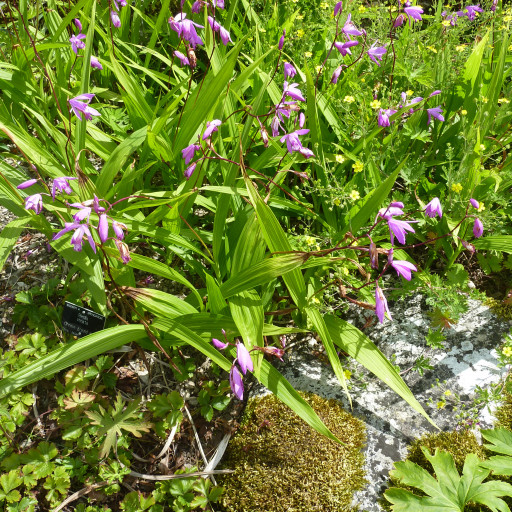
Meet the Chinese Ground Orchid, often called the "Hyacinth Orchid" for its elegant, nodding blooms. Unlike its finicky tropical cousins that live high in trees, this resilient beauty thrives right in your garden soil. It is a favorite for hobbyists who want the exotic prestige of orchids without the heartbreak of high-maintenance care.
🔍 How to Identify
- 🍃 The Foliage: Long, lance-shaped leaves with distinct vertical pleats, resembling a folding fan or young palm fronds.
- 🌸 The Bloom: Small, Cattleya-like flowers that are typically a vivid magenta or amethyst purple, though rare white "Alba" varieties exist.
- 🏺 Growth Habit: It emerges from underground "pseudo-bulbs" (thickened stems) and spreads slowly to form a lush, grassy clump about 12-18 inches tall.
🏡 In Your Garden
- 🌱 Root Logic: Because it grows from shallow rhizomes, it is highly sensitive to "wet feet" during the winter. It craves porous soil that mimics a forest floor—rich in leaf mold but very well-draining to prevent rot.
- ❄️ The Winter Disappearance: Don't panic when the plant dies back to the ground! This orchid is deciduous. It requires a cool dormant period to recharge its energy for the spectacular spring show.
- ⛅ Light Strategy: It loves the morning sun but "bleaches" easily. In hotter climates, it needs dappled shade to keep its pleated leaves from scorching and turning crispy at the edges.
⚠️ Safety & Toxicity
- ✅ Pet Friendly: Good news for furry friends—Bletilla striata is generally considered non-toxic to cats, dogs, and horses.
- 🧤 Skin Sensitivity: While not poisonous, the sap from the crushed pseudo-bulbs can be sticky and may cause very mild irritation for those with hyper-sensitive skin.
✨ Fun Fact
In Traditional Chinese Medicine, the dried bulbs of this orchid are known as Bai Ji. For centuries, they have been used in herbal remedies to help stop bleeding and heal wounds due to their natural mucilage and astringent properties!

Detailed Care Instructions
| Humidity | High |
| Lighting | Part Sun |
| Difficulty | Hard |
| Hibernation | Cold Period |
| Temperature | 34°C - 44°C |
| Hardiness Zones | 10 - 12 |
To grow Bletilla Striata, also known as Chinese ground orchid or hyacinth orchid, you can follow these steps:
- Climate and location: Bletilla Striata plants prefer temperate climates and can tolerate partial shade to full sun. They are hardy in USDA zones 6-10. Ensure that the location you choose has well-drained soil.
- Planting time: The best time to plant Bletilla Striata is in early spring or fall when the weather is cool. Avoid planting during hot summer months.
- Soil preparation: Prepare the soil by loosening it and removing any weeds or debris. Bletilla Striata thrives in well-drained soil with a slightly acidic to neutral pH (around 6 to 7).
- Rhizome planting: Purchase Bletilla Striata rhizomes from a reputable nursery or garden center. Dig a hole about 4-6 inches deep and place the rhizomes horizontally, with the growing buds facing up. Space the rhizomes around 6-8 inches apart to allow for their spread.
- Mulching and watering: After planting, apply a layer of organic mulch around the plants to retain moisture and suppress weeds. Water the rhizomes thoroughly, making sure the soil remains consistently moist but not waterlogged. Take care not to overwater, as this can lead to rot.
- Fertilization: Bletilla Striata plants benefit from a balanced fertilizer application in early spring and again during their active growth period. Use a slow-release fertilizer or a liquid fertilizer diluted according to the packaging instructions.
- Maintenance: Bletilla Striata plants are relatively low-maintenance. Remove any weeds and provide regular watering during dry periods. In colder climates, mulching heavily in winter can help protect the rhizomes from frost.
- Division: Bletilla Striata rhizomes can be divided every 3-5 years to prevent overcrowding. Dig up the clump carefully, separate the rhizomes, and replant them as individual plants.
With proper care and maintenance, Bletilla Striata should reward you with beautiful orchid-like flowers from late spring to early summer.

Place in a dark room with little light, like a dark bedroom or a spot far away from a window or directly in a north-facing window.

Bletilla Striata is a type of flowering plant that requires regular watering to thrive. When watering this plant, it is important to avoid overwatering as it can cause root rot and damage the plant.
To water Bletilla Striata, the first step is to check the soil moisture level. Insert your finger about an inch deep into the soil, and if it feels dry, it is time to water the plant. If the soil is still moist, then hold off on watering for a few days.
When watering the plant, use a watering can or hose to apply water slowly and evenly to the soil. Make sure to water the soil around the base of the plant, rather than directly on the leaves or flowers. This will prevent any damage caused by the water droplets.
Water the plant until the water starts to seep out of the drainage holes at the bottom of the pot. This will indicate that the soil is properly saturated. If the plant is in a pot with no drainage holes, make sure to only water it until the soil feels moist, rather than saturated.
The frequency of watering Bletilla Striata will depend on several factors, including the temperature, humidity, and amount of sunlight it receives. In general, it is recommended to water the plant once a week during the growing season and reduce watering during the winter months.
Remember, always check the soil moisture level before watering to avoid overwatering, which can damage the plant.
To properly fertilize this plant, use a balanced fertilizer with equal parts nitrogen, phosphorus, and potassium. Apply the fertilizer once in the early spring when new growth begins, and again in the summer after blooming has finished. Be sure to follow the instructions on the fertilizer label and water thoroughly after application. Overfeeding can lead to weakened growth and an unhealthy plant.
When growing Bletilla Striata, it is important to use a well-draining soil mix that is rich in organic matter. This will provide the plant with the necessary nutrients to support healthy growth and flowering.
A mixture of soil and a perlite or vermiculite-based product will help ensure proper drainage, preventing the plant from becoming waterlogged. It is also important to make sure the soil is moist but not wet, as the plant can be sensitive to overwatering.
Adding a slow-release fertilizer to the soil mix before planting can also be beneficial for the plant's growth and overall health. Lastly, it is recommended to use a soil pH tester to ensure that the soil is slightly acidic, with a range between 5.5 to 6.5 pH.
Bletilla Striata plant can be propagated through the division of its rhizomes. The best time to do this is in the early spring when the plants are actively growing.
To begin, carefully dig up the plant and gently separate the rhizomes from each other. Be sure each section has at least one healthy growth point and a portion of the attached roots.
Next, prepare a pot or planting location with well-draining soil and plant the rhizomes with the growing point facing upwards, just below the soil surface. Be sure to keep the soil moist but not waterlogged.
It is best to keep newly propagated plants in a shaded or partially shaded area until they become established. Fertilize with a balanced fertilizer once per month during the growing season.
With proper care and patience, the Bletilla Striata plant will successfully grow and bloom in its new location.
Common pests of the chinese ground orchid include Scale insect, mealybugs, spider mites, thrips. Make a habit of checking your chinese ground orchid frequently for pests so that any infestations can be caught and managed early.








